Translated with AI from the Russian original.
The planet closest to the Sun will appear in the evening sky on February 19–20 — it can be observed for more than an hour after sunset, the press service of Novosibirsk State University reported.
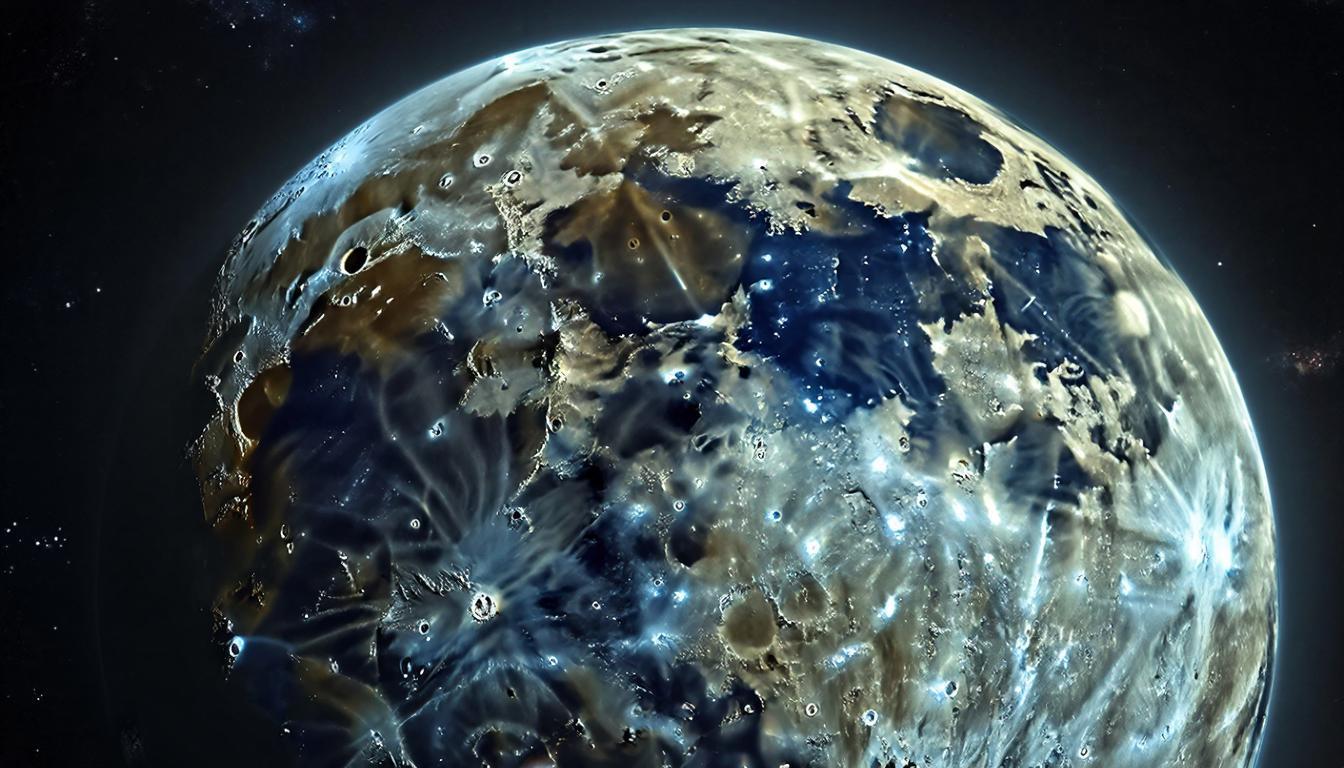
The second half of February is a favorable time to observe the planet closest to the Sun — Mercury. The best days are February 19–20, when the planet will be at its maximum height above the horizon at sunset and will be visible for more than an hour after sunset.
As astronomers explained, Mercury rarely appears in the sky, since it is always close to the Sun and is lost in its light. In the second half of February, it rises high enough to be noticed.
The head of the Vega Observatory of NSU, Alfiya Nesterenko, clarified that after February 20, the planet will begin to lose height and brightness, and by February 25–27 it will finally disappear in the glow of sunset.
Mercury can be found in the southwestern part of the sky immediately after sunset. The brighter Venus will be visible just below. And on February 18, both planets will be near the Moon.
Read more materials on the topic:
- The second Chelyabinsk meteorite may fall as early as tomorrow: astronomer called for the inclusion of a protection system in the national project "Cosmos
- The Sun is behaving strangely: the strongest magnetic storm in a month covered the Earth on February 16
- A giant cave was found under the red-hot crust of Venus — it will be studied by the Russian mission "Venera-D"
Never miss our newsAdd this site to your preferred sources to see us more oftenAdd on Google

















