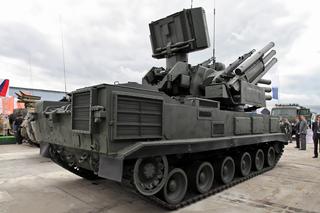
At one of the training grounds of the Armed Forces of Belarus, comprehensive trials of the "Molot" anti-drone system, developed by the Moscow-based company NOVA LABS, took place. During the exercises, both the portable version of the system and next-generation stationary anti-drone turrets were tested.
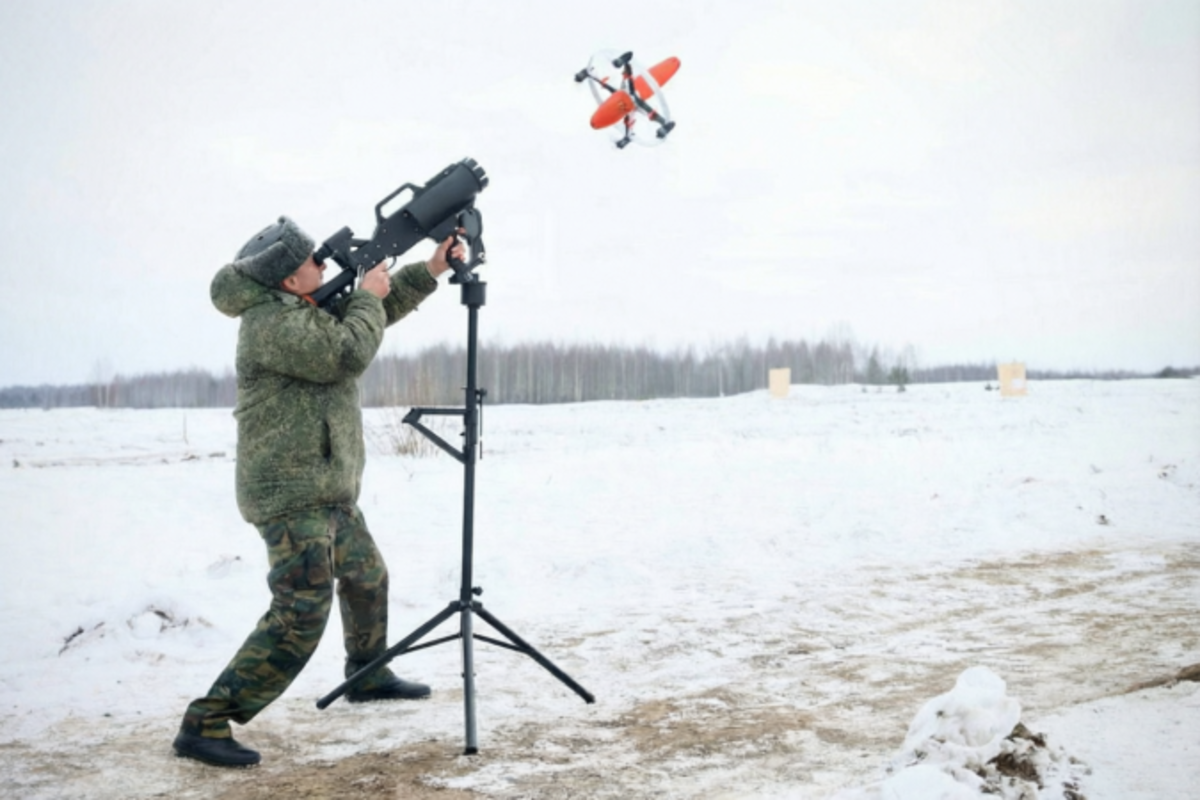
According to technical data, the updated portable modification of the "Molot" is capable of intercepting unmanned aerial vehicles at altitudes of up to two kilometers with target speeds of up to 200 km/h. The interceptor drone is equipped with a thermal imaging seeker head with artificial intelligence elements, which provides a "fire-and-forget" principle without the need for constant trajectory correction by the operator.
The interceptor weighs about 3.4 kg, allowing it to effectively engage both light quadcopters and larger UAVs.

The stationary version of the system received expanded guidance capabilities: in addition to autonomous thermal imaging target acquisition, the system supports radio-command and laser tracking. This made it possible to increase the maximum interception range to 3.5 km, making the installation an effective means of protecting strategic facilities and military bases.
The "Molot" destroys the target by kinetic means: the interceptor collides with it, destroying it through its speed and mass. This approach excludes the use of explosives in the area of responsibility, minimizing risks to ground infrastructure and personnel.
Read more materials on the topic:
- The latest "Molot" drone interceptor with machine vision has been developed for the military: accelerates to 180 km/h
- The latest kinetic drone interceptor "Molot-Britva" accelerates to 265 km/h
- The characteristics of the world\'s first portable anti-aircraft electro-rocket system "Molot" have been revealed
Never miss our newsAdd this site to your preferred sources to see us more oftenAdd on Google