Translated with AI from the Russian original.
The crew of the multipurpose corvette Boykiy of the Baltic Fleet of the Russian Navy successfully completed a series of tactical exercises during which key elements of anti-submarine defense and strike missile employment were practiced. The training and combat drills were conducted in the waters of the Baltic Sea with the involvement of aircraft from the fleet's naval aviation.
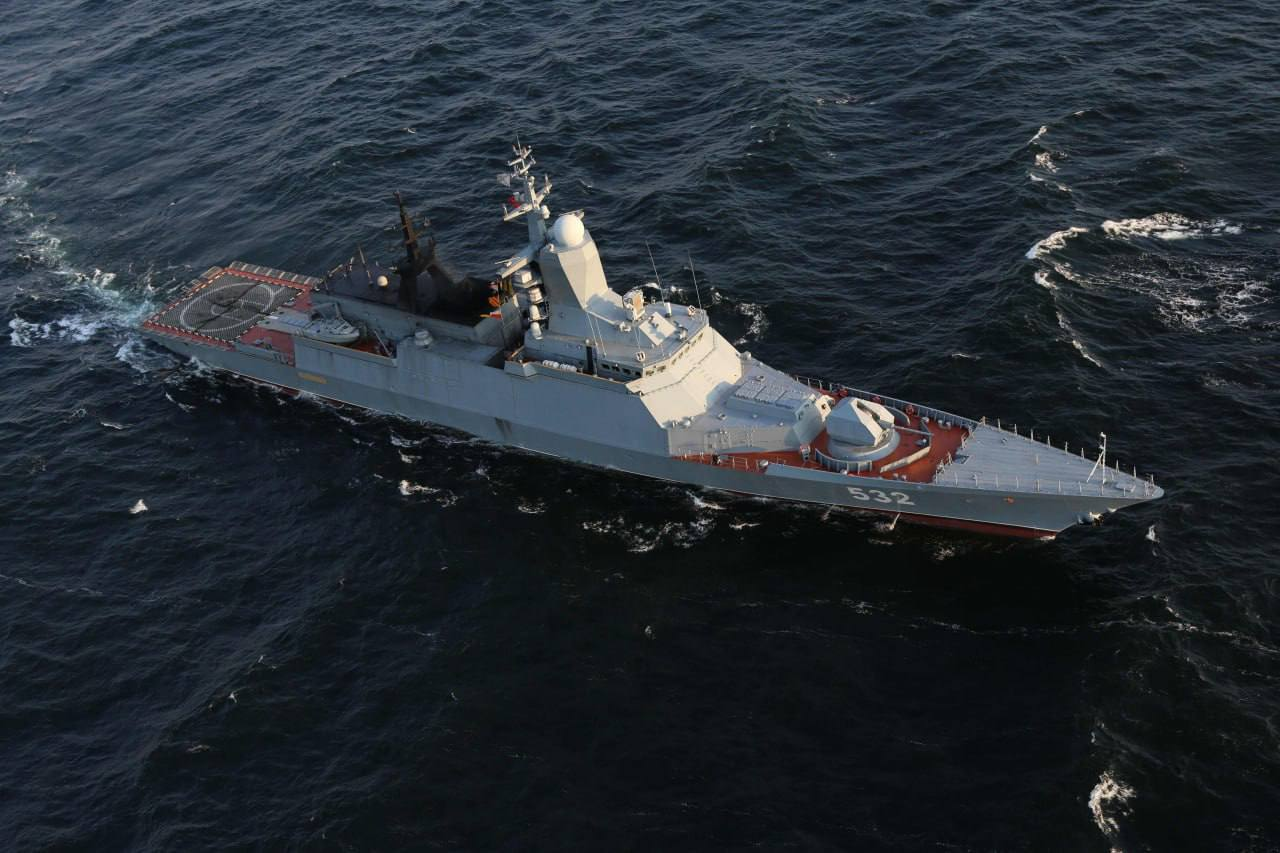
The ship's crew conducted comprehensive anti-submarine warfare exercises. According to information from the Russian Ministry of Defence, all necessary means were employed during the training to detect and classify an underwater target simulating the actions of a mock enemy. The ship's sonar system detected and tracked the target at range, while the Ka-27PL anti-submarine helicopter stationed on the corvette's deck continuously transmitted updated coordinates and data on the tactical situation.
The crew of the Boykiy successfully carried out drills to destroy an enemy submarine. During the exercise, torpedoes from the shipborne anti-submarine system were used. Special attention was paid to the launch of Uran anti-ship missiles against a surface target. This stage of the exercise included practicing target designation algorithms and preparing the launcher. Simulated launches of the Kh-35 cruise missile, capable of striking targets at distances of up to 130 kilometers, were also conducted.
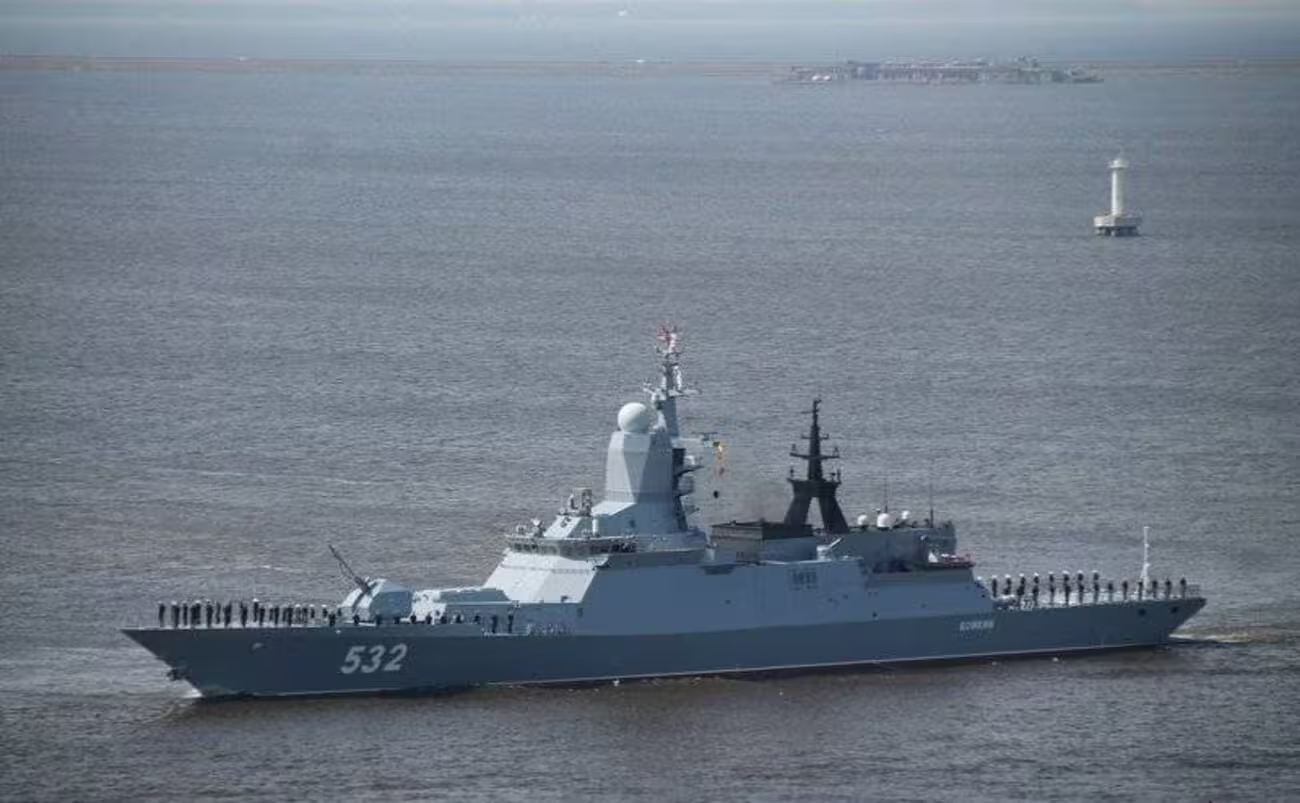
Corvette Boykiy is the second production ship of Project 20380, designed by the Almaz Central Marine Design Bureau (part of OSK) and built at Severnaya Verf. Ships of this project belong to the class of multipurpose patrol ships of the 2nd rank for the near sea zone. With a standard displacement of 1,800 tons and a hull length of 104.5 meters, they are equipped with a twin-shaft diesel power plant providing a full speed of up to 27 knots. The hull architecture incorporates radar cross-section reduction technologies, while the high level of systems automation allows the ship to be operated by a crew of about 100 personnel.
Recall that the Boykiy corvette recently returned to Baltiysk after a long-range naval deployment lasting nine months, during which it covered more than 43,000 nautical miles.
Read more materials on the topic:
- Armed with Kinzhal missiles, the large anti-submarine ship Admiral Tributs hunted an invisible enemy in Peter the Great Gulf
- A self-regenerating Darwin net against kamikaze drones was created by Russian engineers
- The carrier of Malakhit anti-ship missiles, the small missile ship Rassvet, practiced countering unmanned threats in the Barents Sea
Never miss our newsAdd this site to your preferred sources to see us more oftenAdd on Google

















