The RUSNANO Group is preparing to launch a modern assembly and testing complex for the mass production of microchips. The enterprise will start operating in January 2026, according to the company's press service.
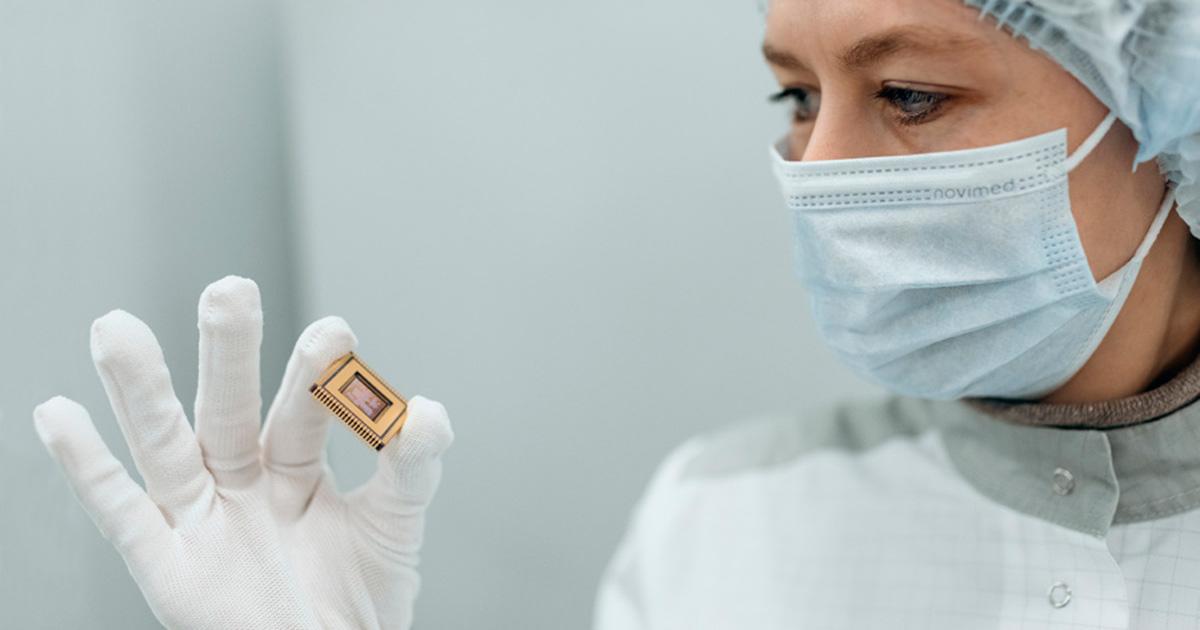
The production will use microchip assembly technology in polymer packages. This will allow the creation of high-performance processors and computing modules for the needs of data processing centers, telecommunications, and aviation. The innovations will ensure the transition from pilot batches to stable mass production of products.
This attention to assembly is due to the localization requirement in accordance with decree 719. This helps reduce technological risks and ensures a high level of microelectronics localization.
The production site covers an area of about 1200 square meters. The expected output is up to 200,000 microchips per month.
The new site is planned to produce special and consumer electronics. The enterprise is designed for a full cycle of operations — from assembly to control and testing.
Earlier, www1.ru reported that a chip packaging line for 100,000 microchips per month will be launched in Zelenograd.
Read more materials on the topic:
- A new step in the development of photonics: Skoltech creates photonic chips for the first time in Russia
- Russia will entrust AI with the design of digital integrated microcircuits
- A method for reducing the size of microchips has been developed in Russia
Never miss our newsAdd this site to your preferred sources to see us more oftenAdd on Google