Engineers from the United Engine Corporation (ODK) revealed the key features of how the combustion chamber functions — the central element of the gas generator in a modern aircraft engine. According to them, if the control system is considered the engine's "brain," then the gas generator, which includes the compressor, combustion chamber, and turbine, serves as its "hot heart." The temperature of the combustion products reaches 2400–2600 K — twice the melting temperature of the metals from which the flame tube walls are made.
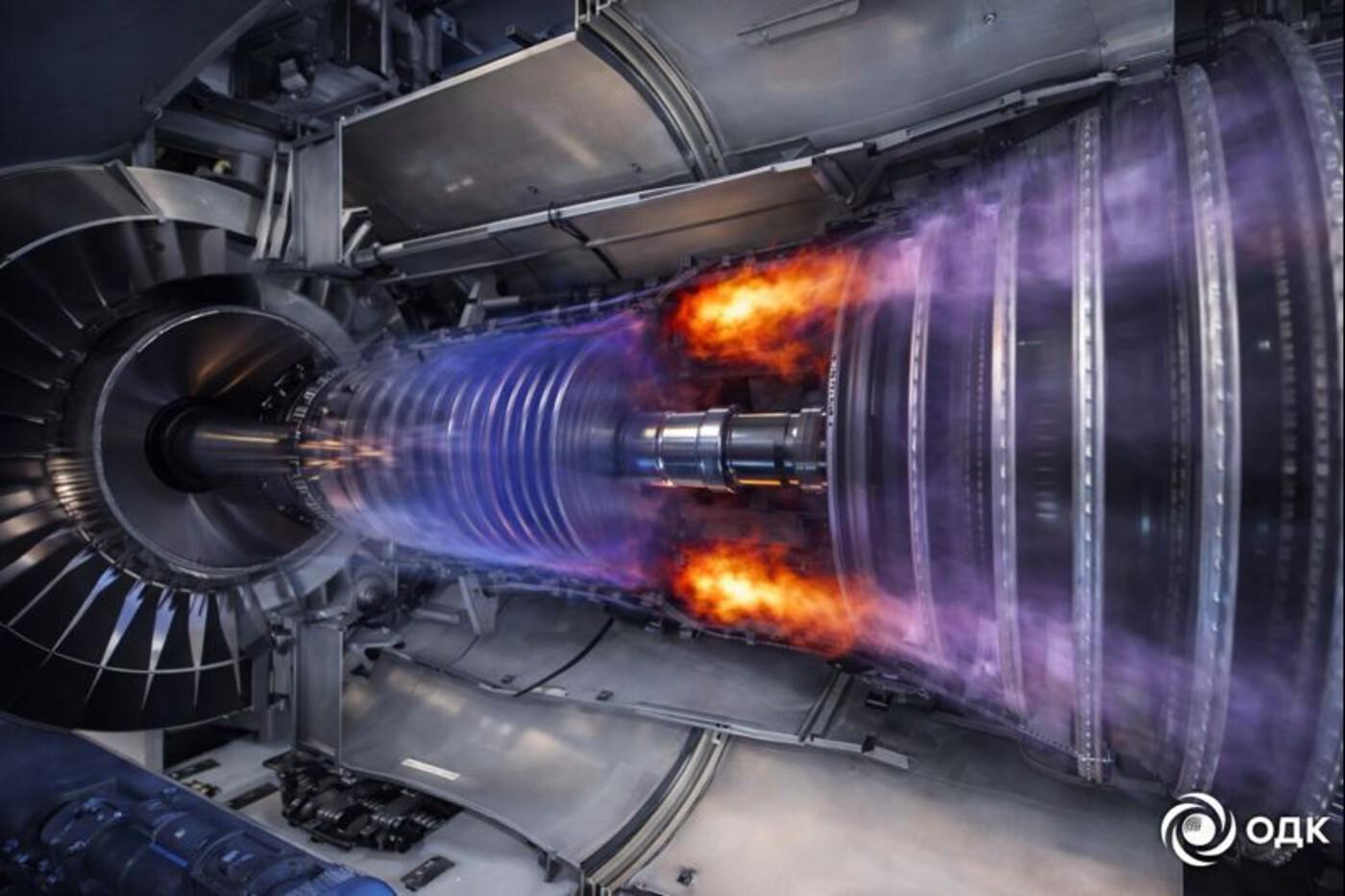
According to specialists, after passing through the compressor, the air is compressed to a pressure of about 50 atmospheres and split into two flows. The primary flow is directed straight into the combustion zone, where it mixes with finely atomized fuel supplied through injectors. The secondary flow is used to cool the structure.
Combustion is initiated by an electrical discharge from the igniter plugs, after which the process becomes self-sustaining. To prevent structural failure, the secondary air is fed through hundreds of microscopic holes, forming a protective air film between the flame and the wall, while also providing active cooling.
The resulting flow of incandescent gas is directed onto the turbine blades, causing it to rotate. The turbine, in turn, transmits torque to the compressor, closing the thermodynamic cycle. At the same time, the high-speed gas exhaust creates jet thrust.
In modern turbofan engines, a significant portion of thrust is generated by the outer circuit, where the air bypasses the combustion chamber and is accelerated without taking part in the combustion process.
Read more materials on the topic:
- Checked down to the micron: ODK engineers explained how aircraft engines are tested before release
- ODK experts revealed the principles of designing engines for passenger airliners
- Who is behind the production of the PD-8 and GTD-110M engines?
Never miss our newsAdd this site to your preferred sources to see us more oftenAdd on Google