According to preliminary data, the Russian military has carried out at least two launches of the latest Zircon hypersonic cruise missile. This universal high-precision weapon can be launched from coastal launch complexes, as well as from submarines and surface ships.
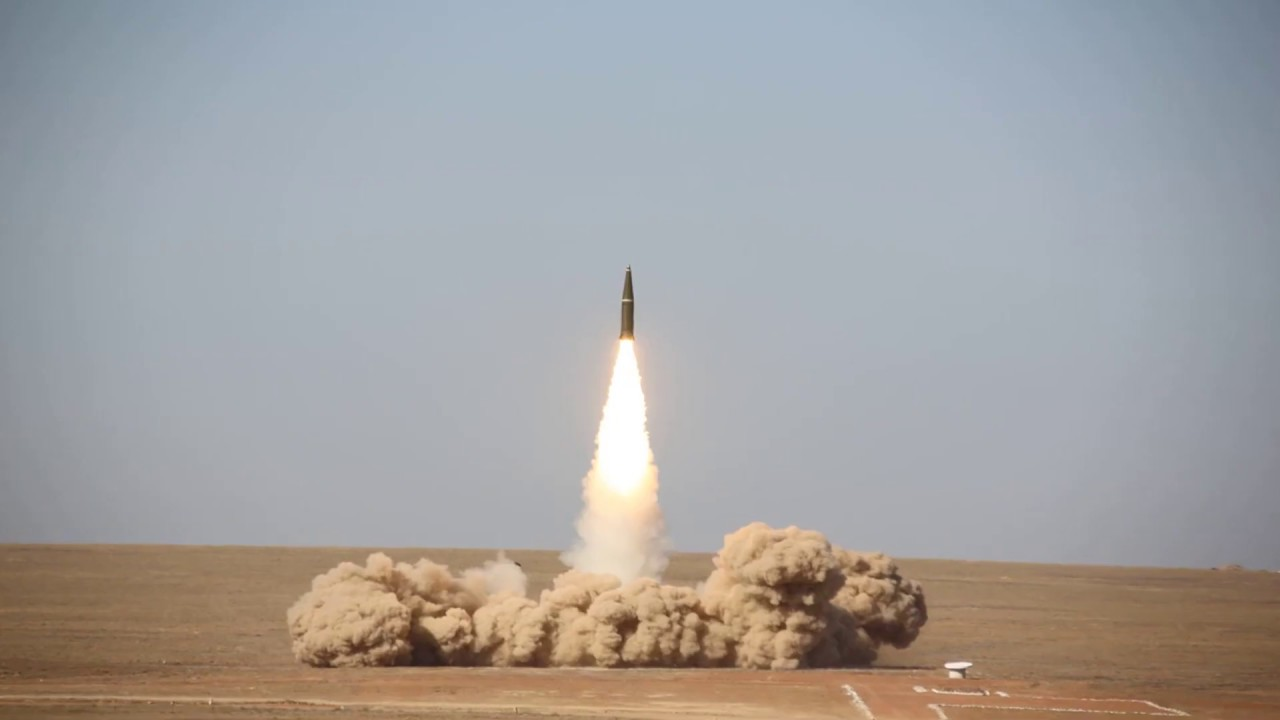
The missile was officially put into service in early 2023, although the development was first announced back in 2016.
"Zircon" is considered difficult to detect by modern air defense systems. According to estimates from open sources, the missile is capable of reaching speeds of up to Mach 9 (approximately 2.7 km/s), and its range is estimated to be between 400 and 1500 km.
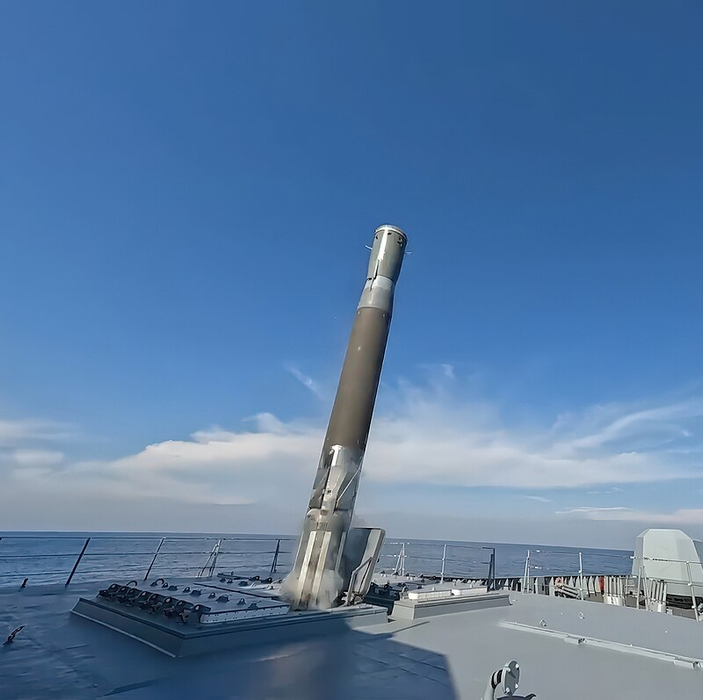
The first tests of "Zircon" took place in 2016: then the missile reached speeds of Mach 5-6 and hit targets at a distance of up to 500 km. In 2017, a new series of tests was carried out, which made it possible to increase the speed to Mach 8 and increase the maximum flight range to 1000 km. In 2020, the first launch of the missile from a sea carrier took place - the frigate "Admiral Gorshkov."
Despite regular reports of new launches, there is still no official technical data on the system in the public domain.
Earlierwww1.ru reported thatpilots demonstrated unique footage of the launch of the Kinzhal hypersonic missile system from a MiG-31I fighter.
Read more materials:
Now on home

Start of deliveries scheduled for 2027

Over 51,000 new motorcycles were sold in Russia in 2025

The car will take at least a year to assemble

The application's audience has reached 20 million users

The model will be included in the list of cars for taxis, price - from 2.25 million rubles

All parking lots of the "Administrator of the Moscow Parking Space" are connected to the service

The cars will be supplied to the Moscow Transport Service Directorate

Deliveries to India may begin in 2028

The technology provides automated search for all types of defects in power units

The plane flew 500 km, accelerating to 425 km/h

The plant stated that the information about the termination of purchases for models 6 and 8 is not true
Scientists are using the "Ekran-M" installation