Russian military personnel demonstrated tests of the FPV drone "Arbalet" with an installed AKS-74U assault rifle in a video.
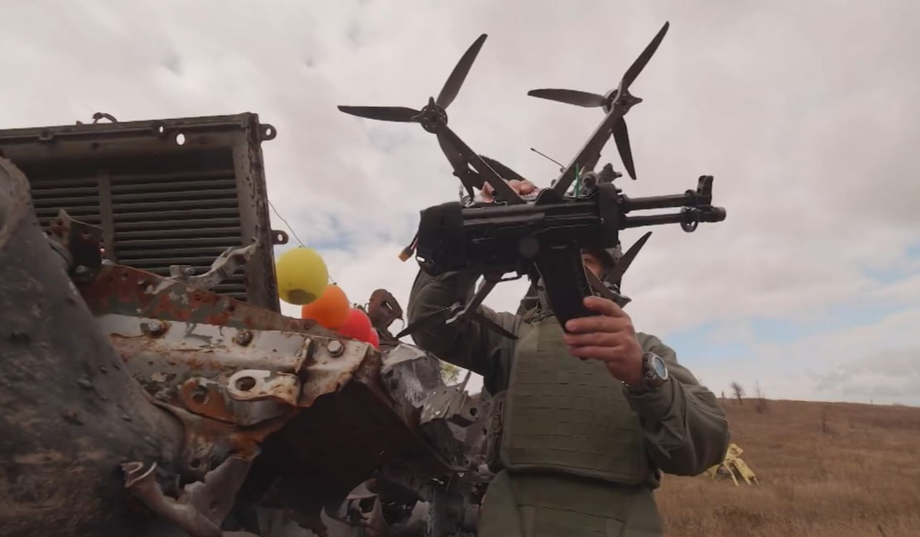
The footage captures the process of integrating and testing the combat module, demonstrating the drone's potential for performing a wide range of tasks, including reconnaissance, engaging enemy personnel, and lightly armored vehicles at various distances.
The drone is equipped with a shortened 5.45 caliber barrel, a servo drive on the trigger, and a platform for mounting the assault rifle.
The military emphasizes that one of the most challenging tasks was to teach the drone to fly stably, without sudden movements. This required carefully selecting the type of assault rifle, the method of its installation, and, most importantly, solving the recoil problem.
Earlier,www1.ru reported thattests of a makeshift "anti-drone active protection system" based on the launching platforms of the 902 "Tucha" system were shown by the Russian military.
Read more materials:
- The work of the Russian MiG-29K on the new aircraft carrier INS Vikrant was inspected by Indian Prime Minister Narendra Modi
- "Louvre on Avito": the advertisement for the sale of stolen jewelry from the symbol of French cultural heritage was removed
- "Mishkolet" updated: the first Sukhoi Superjet 100 of Yamal Airlines received a new logo
Now on home

Start of deliveries scheduled for 2027

Over 51,000 new motorcycles were sold in Russia in 2025

The car will take at least a year to assemble

The application's audience has reached 20 million users

The model will be included in the list of cars for taxis, price - from 2.25 million rubles

All parking lots of the "Administrator of the Moscow Parking Space" are connected to the service

The cars will be supplied to the Moscow Transport Service Directorate
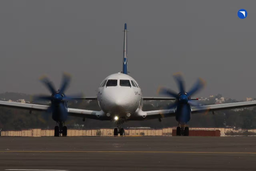
Deliveries to India may begin in 2028
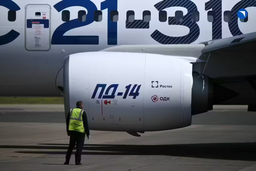
The technology provides automated search for all types of defects in power units
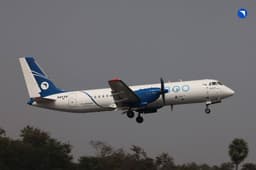
The plane flew 500 km, accelerating to 425 km/h

The plant stated that the information about the termination of purchases for models 6 and 8 is not true
Scientists are using the "Ekran-M" installation