The ice-resistant self-propelled platform "North Pole" of project 00903 of the OSK Vympel design bureau, built at the Admiralty Shipyards of the USC, began operating at a point with coordinates 88°19′ N, 108°06′ E - at a distance of only 100 km from the geographic North Pole.
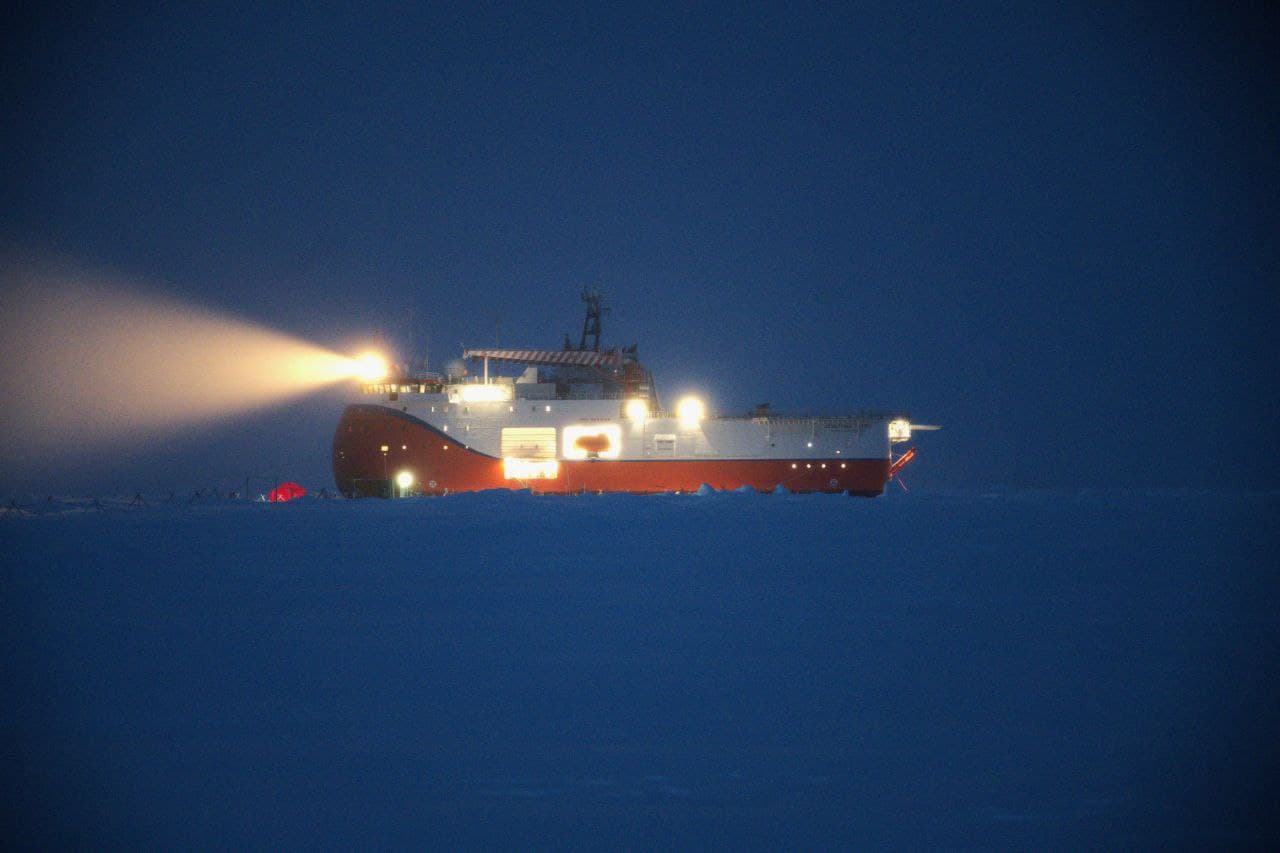
The Ice-Resistant Platform "North Pole" is 83.1 m long and 22.5 m wide, has a displacement of about 10390 tons, and a speed of 10 knots. The vessel has an ice class of Arc5 and is designed for long-term stay in extreme conditions (up to -50°C), and is also equipped with a helipad and research equipment.
In addition to equipment, the ice-resistant platform can accommodate 34 scientific personnel, and the vessel is serviced by a crew of 14 people.
Scientists have to solve problems in the difficult conditions of the northern winter, because in the Arctic, October is considered the beginning of the coldest time of the year. In the area of the station, the sun no longer rises above the horizon and the polar night has begun.
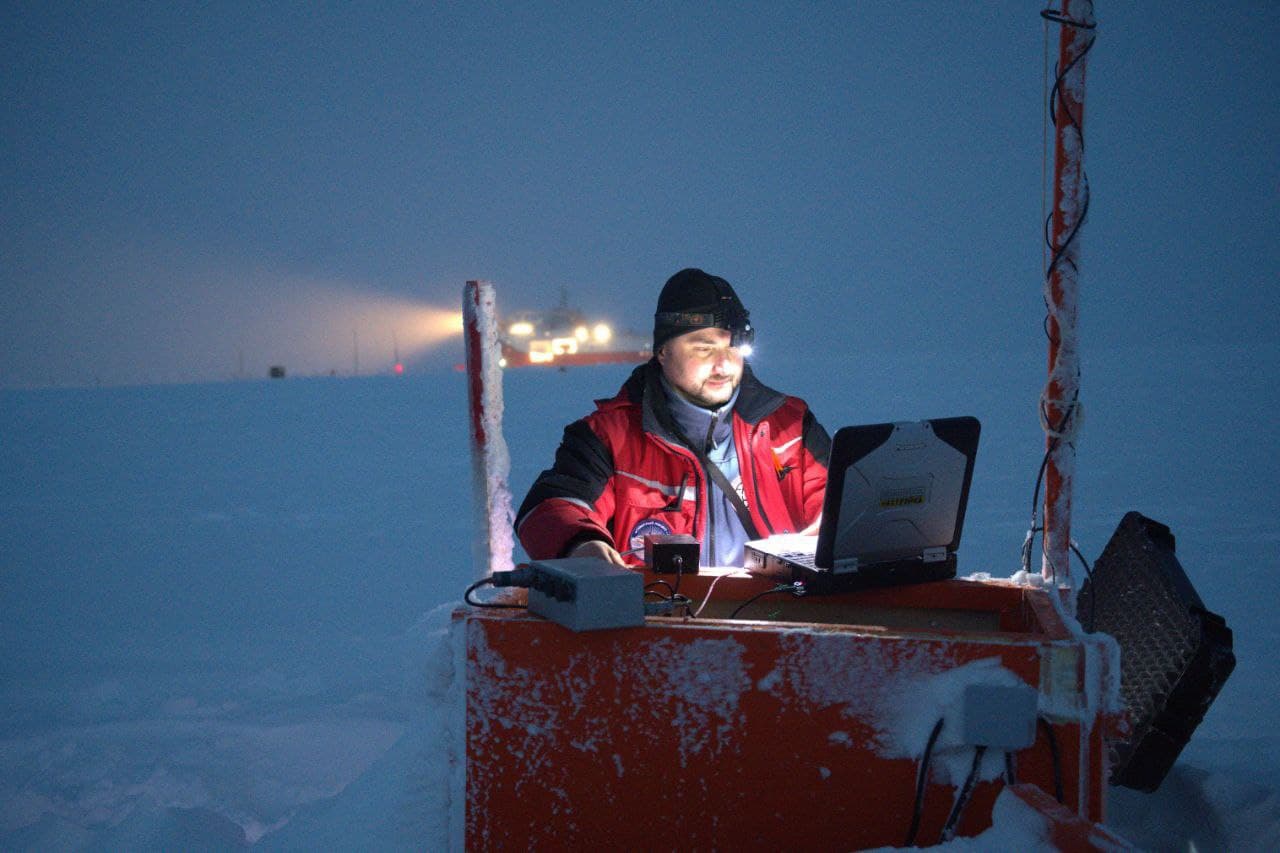
The infrastructure necessary for research has been deployed near the platform, where scientists conduct comprehensive scientific work in the high-latitude Arctic. This is the only scientific vessel in the world that can operate year-round in the high latitudes of the Arctic Ocean.
Read more materials on the topic:
Now on home

There were no people inside, no one was injured
An attempt to illegally export the unit was stopped by the FSB in the Leningrad region

Most often they are used to pay for excess baggage

120-ton structure installed in 4 hours

Developed polymer biomaterials can become the basis for implants

The weight of the assembled product reaches about 25 tons, and its height is 2.5 meters

The marketplace orders domestic Kvadra Tau mini computers for testing
In 2025, the company's revenue decreased 32 times
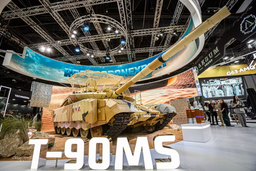
The greatest interest was aroused by products that had been tested in combat conditions

We are talking about parked cars that advertise goods or services
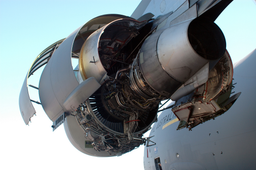
The increase in emergency situations has forced airlines to look for alternatives

The X-cross 7 is almost sold out, but the X-cross 8 can still be found on sale
Articles
-
Russian An-124 "Ruslan" Stuck in Canada for 4 Years and Accrues Millions in Fines
26 Jan 2026
-
Coaxial Propellers: How Counter-Rotation Increases Turboprop Engine Efficiency
25 Jan 2026
-
Kazan Aviation Plant Breaks Old System: Tu-214 to be Assembled Like Cars
25 Jan 2026
-
How Engineers and Technicians Are Paid Today in the Russian Aviation Industry: An Overview with Figures
24 Jan 2026