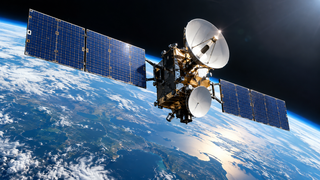
Moscow Aviation Institute, together with JSC "Reshetnev", has developed an electric rocket engine simulator that allows testing and configuring the electronics of spacecraft directly on Earth without a vacuum chamber. The device consists entirely of domestic components, which makes it faster, simpler and more economical than classical testing methods.
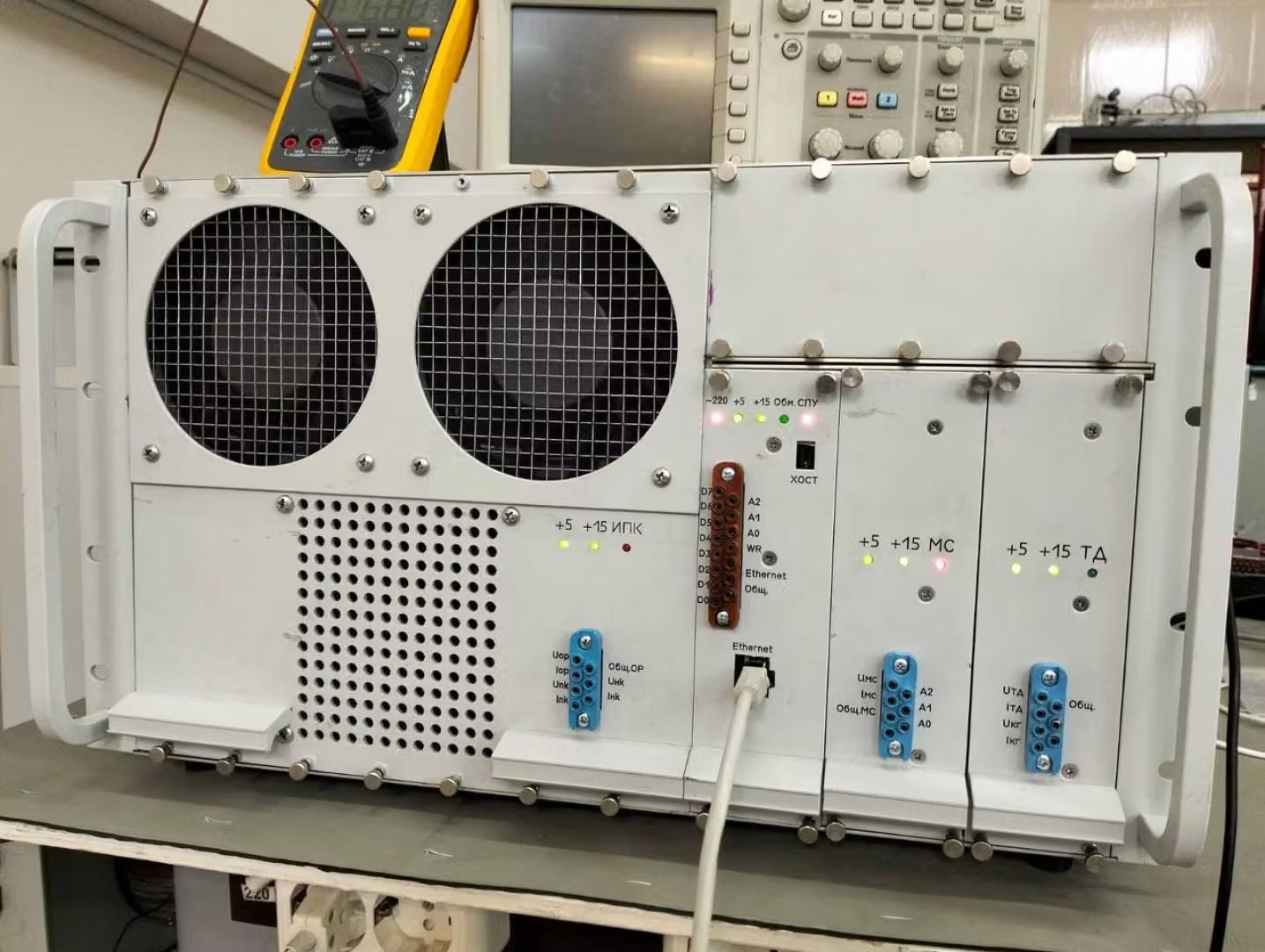
The key feature of the simulator is its ability to accurately reproduce fast-flowing electrical processes and abrupt changes in power supply parameters, up to tens of thousands of times per second. The principle of operation is based on a programmable microcontroller with algorithms created based on real engine data, which allows simulating a load that is practically indistinguishable from the operation of a real plasma engine.
To date, a prototype has been manufactured and successfully tested for a high-impulse dual-mode correction unit based on a stationary plasma engine developed by the Keldysh Center. Fine-tuning and preliminary tests have been carried out, and Reshetnev is mastering the serial production of the product. The final acceptance tests are scheduled for 2025.
The simulator reduces the time and cost of testing spacecraft, reduces the risks when checking electronics, and speeds up the development of new rocket engines. In the future, the range of simulators will be expanded and adapted to various types of plasma rocket engines.
Read more materials on the topic:
- Unique electric rocket engine simulator for satellite testing developed at MAI
- Unique miniature components for radar systems of UAVs created in Russia
- With the 9GMG engine: a model of the domestic gas piston power plant EGPC-9 was developed at the Kolomna plant
Never miss our newsAdd this site to your preferred sources to see us more oftenAdd on Google