In 2026, it is planned to produce about 5-6 thousand "Atom" electric vehicles in Russia. This was announced by the head of the Ministry of Industry and Trade Anton Alikhanov at the "Innoprom. Belarus" exhibition. The Minister noted that at the first stage, production will focus on the domestic market.

According to him, the project is developing successfully, and the team of "Kama", which is responsible for the development, is already working on the second generation of the electric car.
Speaking about export prospects, Alikhanov stressed that the project is able to interest not only Russian, but also Belarusian car enthusiasts. However, entering Belarus directly depends on the speed of development of the charging infrastructure.
"Atom" has been developed since 2021, and in May 2023, the first functional prototype was presented in Moscow. The car is positioned as an urban electric vehicle with modern design and digital services.
Read materials on the topic:
Now on home
Start of deliveries scheduled for 2027
Over 51,000 new motorcycles were sold in Russia in 2025

The car will take at least a year to assemble

The application's audience has reached 20 million users

The model will be included in the list of cars for taxis, price - from 2.25 million rubles

All parking lots of the "Administrator of the Moscow Parking Space" are connected to the service

The cars will be supplied to the Moscow Transport Service Directorate
Deliveries to India may begin in 2028
The technology provides automated search for all types of defects in power units

The plane flew 500 km, accelerating to 425 km/h

The plant stated that the information about the termination of purchases for models 6 and 8 is not true
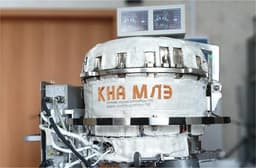
Scientists are using the "Ekran-M" installation