The Omoda C7 crossover (produced at the Avtotor plant in Kaliningrad) has received vehicle type approval. The received certificate allows mass sales in Russia and the EAEU with the issuance of vehicle passports (PTS). Assembly of the model started in August.
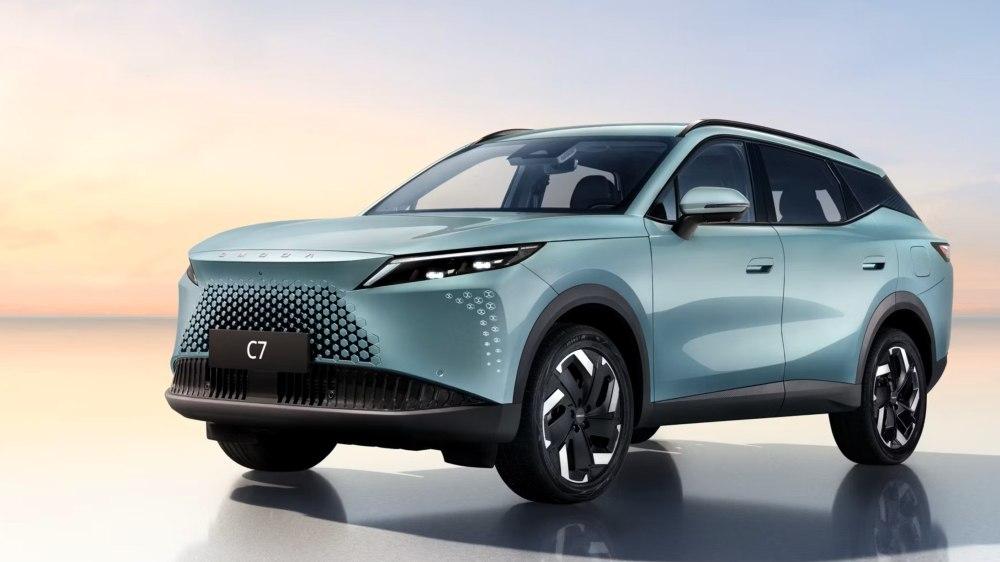
The car debuted on the Russian market in May 2025 with Chinese assembly at a price of 3.1 million to 3.66 million rubles without discounts. Taking into account discounts, the price can be reduced to 2.9 million rubles. During this time, 776 copies were sold, according to Avtostat.
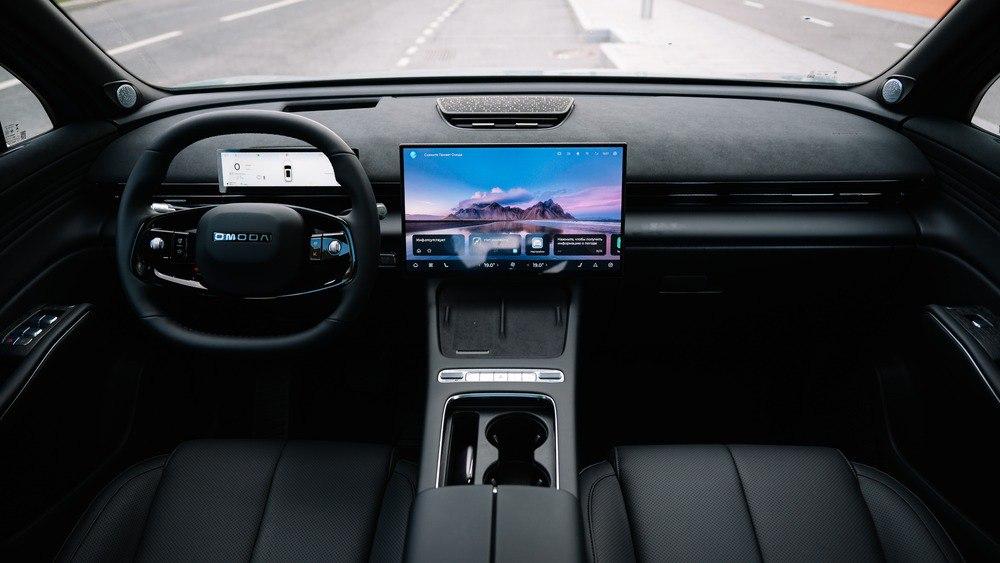
Previously, the possibility of assembling the Omoda C7 at the AGK plant in Kaluga (formerly owned by Volkswagen) was considered, but Chery chose Kaliningrad.
The dimensions of the Omoda C7 are 4660×1875×1670 mm, the wheelbase is 2720 mm, the ground clearance is 176 mm, and the trunk volume is 639 liters. Under the hood is a 1.6-liter Acteco turbo engine with a capacity of 150 hp and 275 N·m, which is combined with a 7-speed "robot" and 4×2 or 4×4 drive.
The novelty features multi-stage anti-corrosion protection of the body.
Earlierwww1.ru reported that Omodawill become Onives, and Jaecoo - Jeland.
Read materials on the topic:
Avtotor will not produce Chinese cars that are in low demand in Russia
12 new automobile plants will appear in Russia: Avtotor shared ambitious plans
Omoda C5: what kind of car is it
Never miss our newsAdd this site to your preferred sources to see us more oftenAdd on Google