Researchers from RTU MIREA have developed an intelligent system that automatically detects defects in the onboard equipment of spacecraft. The program analyzes the operating parameters of electronic units and compares them with reference values, accurately identifying structural problems. This solution can reduce the risk of costly satellite failures in orbit, according to the university's press service.
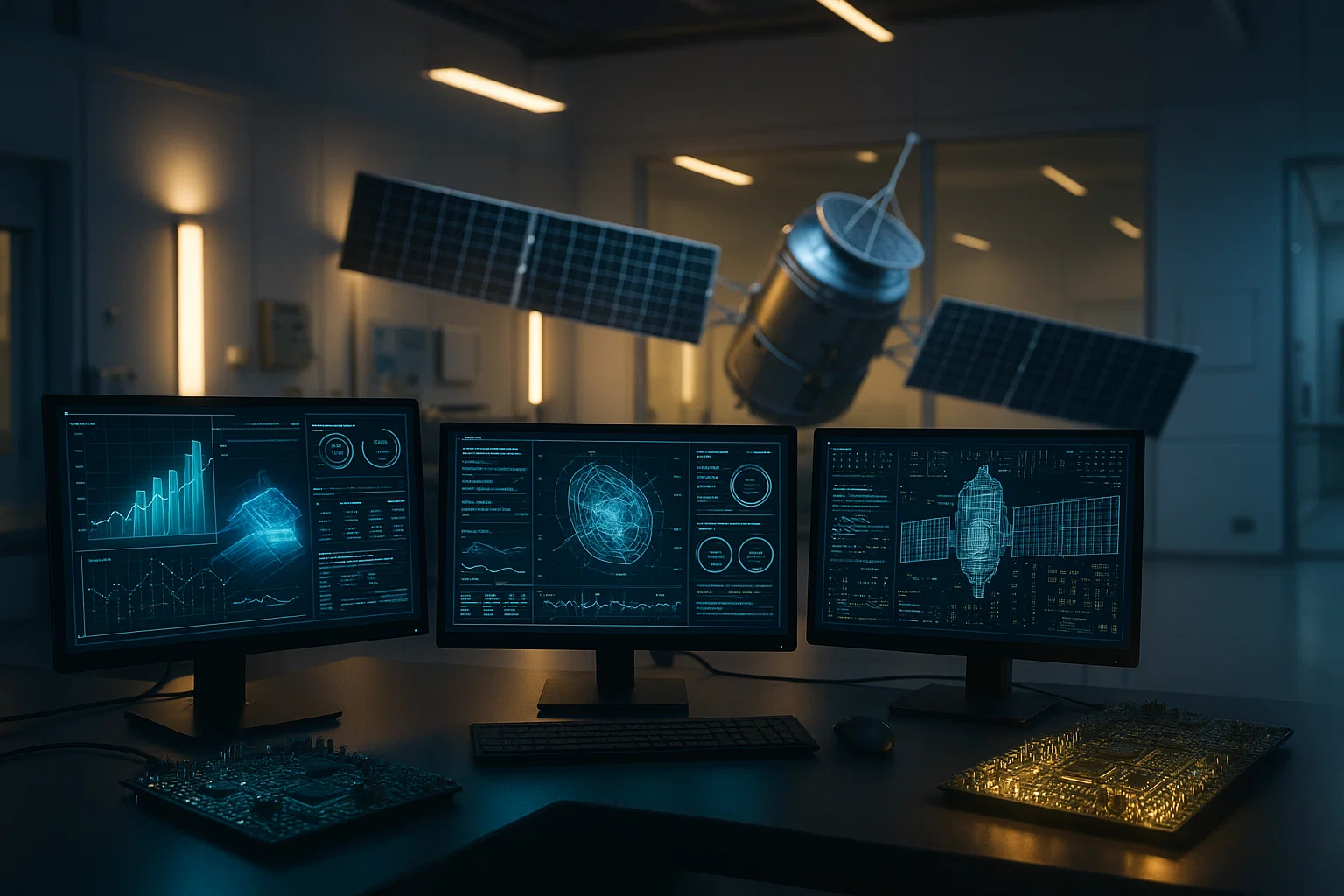
The system uses deep learning methods, which allows it to constantly improve.
The peculiarity of our system lies in the use of deep learning methods. The program is constantly improving, analyzing new data, like a doctor who becomes more experienced with each patient.
This approach ensures high diagnostic accuracy and adaptation to new types of equipment.
The introduction of the system at manufacturing enterprises can improve the reliability of space technology.
By increasing the reliability of space technology, the program indirectly contributes to the development of satellite communications, navigation, and Earth monitoring - technologies on which the operation of banking systems, the accuracy of weather forecasts, transport navigation, and even the operation of social networks depend today. Moreover, by preventing accidents in orbit, the system helps to reduce the amount of space debris, which is important for the safety of future space missions
Previously, equipment diagnostics often required manual analysis, which took more time and was less accurate. The new system automates the process, reducing the likelihood of errors and speeding up production.
Earlier,www1.ru reported that Roscosmos is developing a returnable first stage of a rocket.
Read more materials on the topic:
Soyuz-2.1b Successfully Launched Ionosfera-M Satellites and 18 Small Spacecraft into Orbit
Roscosmos is Preparing to Launch the Bion-M No. 2 Satellite with Unique Experiments
Large Scientific and Production Center for UAVs to Open in Tula











