The Ministry of Digital Affairs has developed a draft resolution on conducting an experiment on the use of generative AI in public administration. Participation in it will be voluntary for federal and regional authorities. The technology will be used to solve routine tasks: document processing, data management, and HR work.
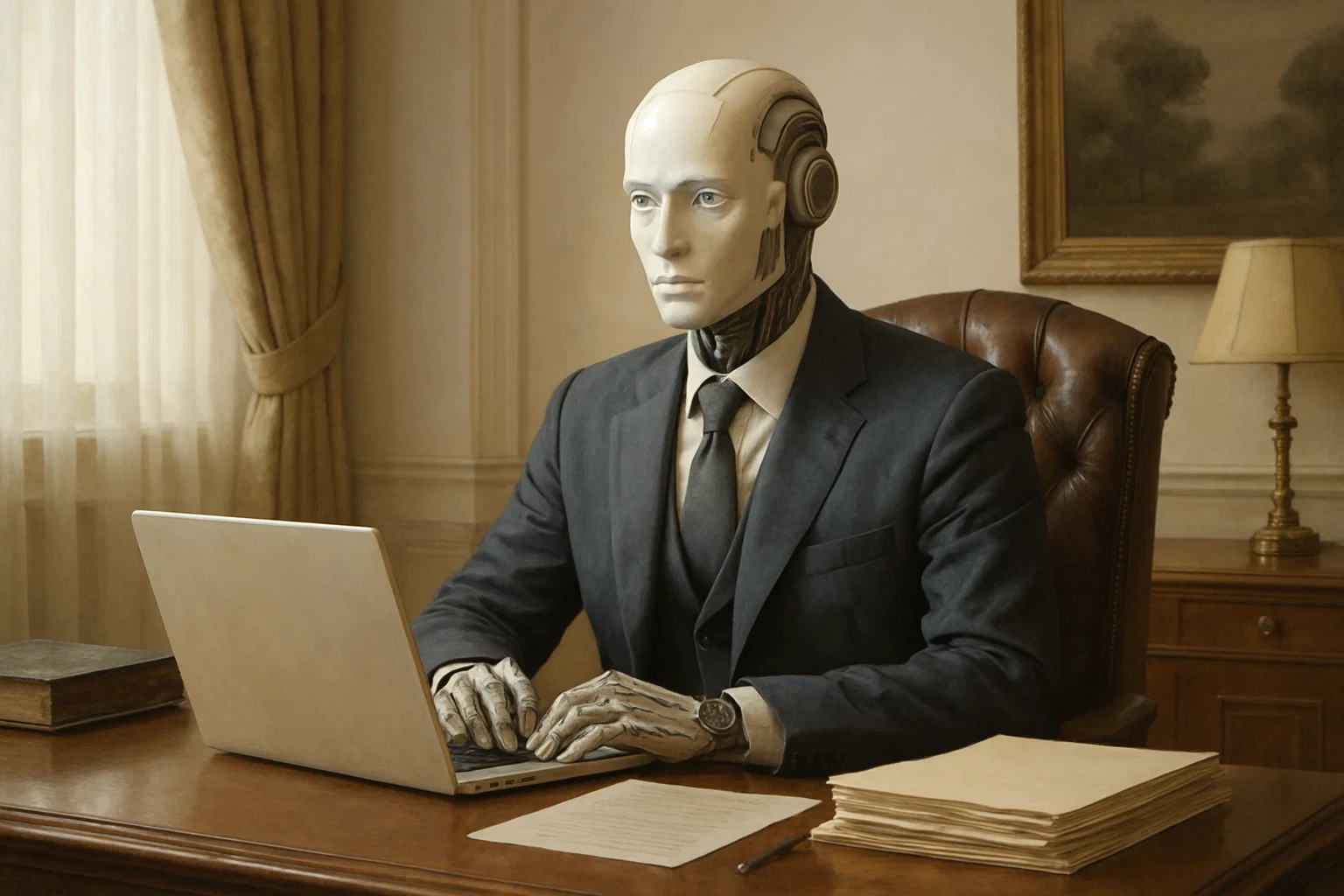
AI will help analyze appeals, check candidate resumes, and identify inconsistencies in documents. However, it will be prohibited from predicting socio-economic processes or working with state secrets. The reason is the impossibility of assigning responsibility for AI errors to a specific official.
At the same time, AI will not be allowed to handle sensitive topics: within the framework of the experiment, the use of large generative AI models for predicting socio-economic processes is prohibited, as well as the transfer and processing of information constituting state secrets.
Services for the experiment will be developed by the Ministry of Digital Affairs or selected suppliers. Earlier, RANEPA assessed the readiness of departments to implement AI. The leaders were the Federal Tax Service and Rostrud. The government emphasizes that AI will not replace people, but will simplify their work. At the moment, the timing of the experiment has not been specified; it will be determined after the necessary procedures have been completed.
Earlier, www1.ru reported on the proposal of the State Duma of the Russian Federation to label content created by neural networks.
Read more materials on the topic:
AI and elections: deepfakes can affect the Unified Voting Day in Russia
Created by a non-human: The State Duma proposed labeling content created by neural networks
Never miss our newsAdd this site to your preferred sources to see us more oftenAdd on Google

















