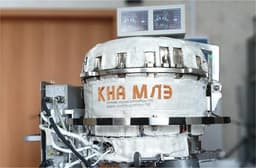
Vera Terentyeva, a fifth-year student at the Moscow Aviation Institute (MAI), has developed a software simulator of the Russian BOKZ-MA star tracker, which is used for precise positioning of satellites in space.
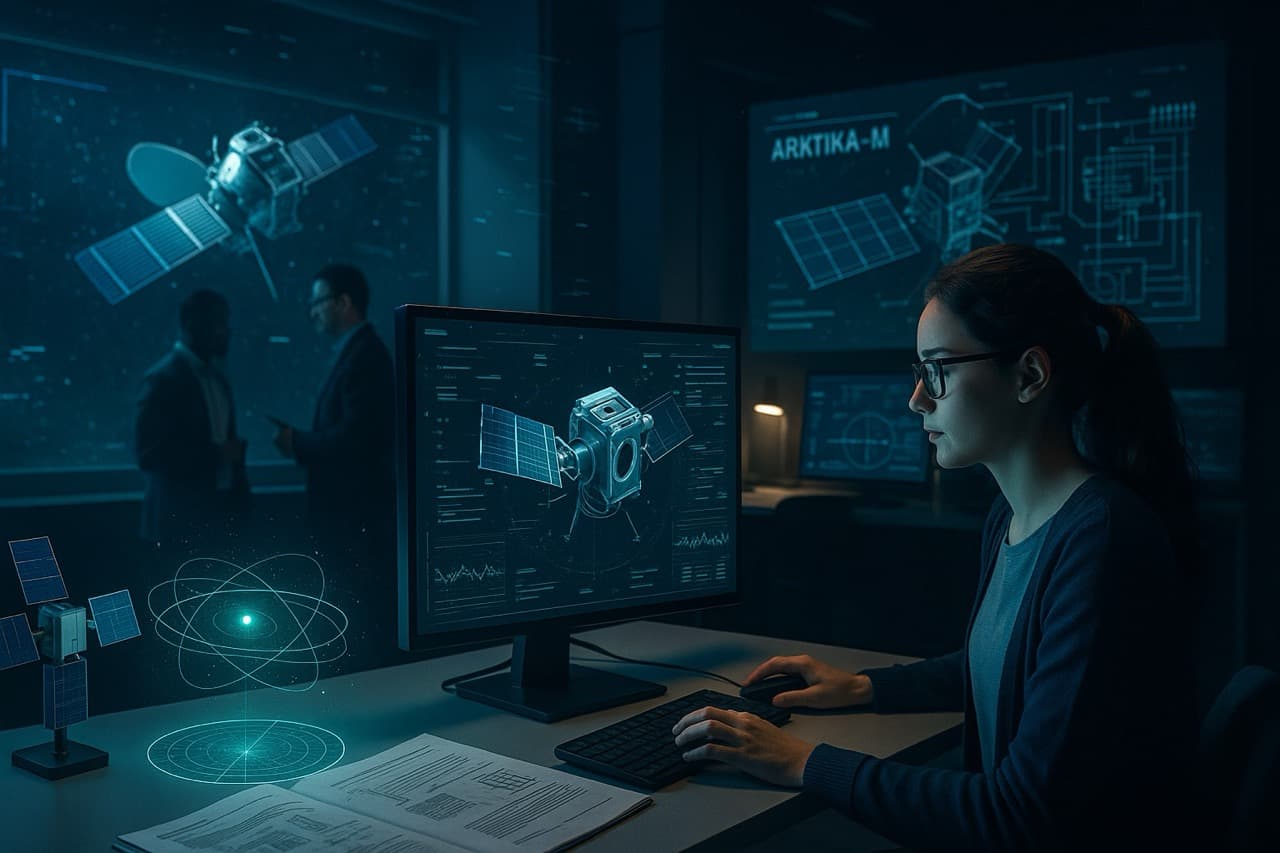
The development fully replicates the operation of the real device — from data exchange with the onboard computer to modeling failures and measurement errors.
The digital twin is already being used to test the control systems of the Arktika-M No. 3 satellite, which is scheduled to launch before 2026. Thanks to the simulator, engineers can develop algorithms without using expensive equipment.
Engineers will be able to conduct ground-based testing of control algorithms and software without using expensive equipment
Digital twins make it possible to speed up and reduce the cost of developing spacecraft, increase the reliability of satellite systems, and reduce risks during launch. This is a significant contribution to domestic space technologies.
Read more materials:
На порядок точнее GPS и ГЛОНАСС: систему навигации для БПЛА «Восток» создали в ИТМО
Дальность работы в два раза выше: «Азимут» провёл испытания нового радиолокатора для аэропортов