Researchers from Moscow State University have developed an innovative method for producing thin-film electrodes that could significantly accelerate the development of neurointerfaces, including brain-computer interfaces (BCI) and neuroprostheses. Instead of standard lithography, the team used laser processing, which made it possible to create cheaper and more efficient electrodes with a conductive layer of tantalum and platinum.
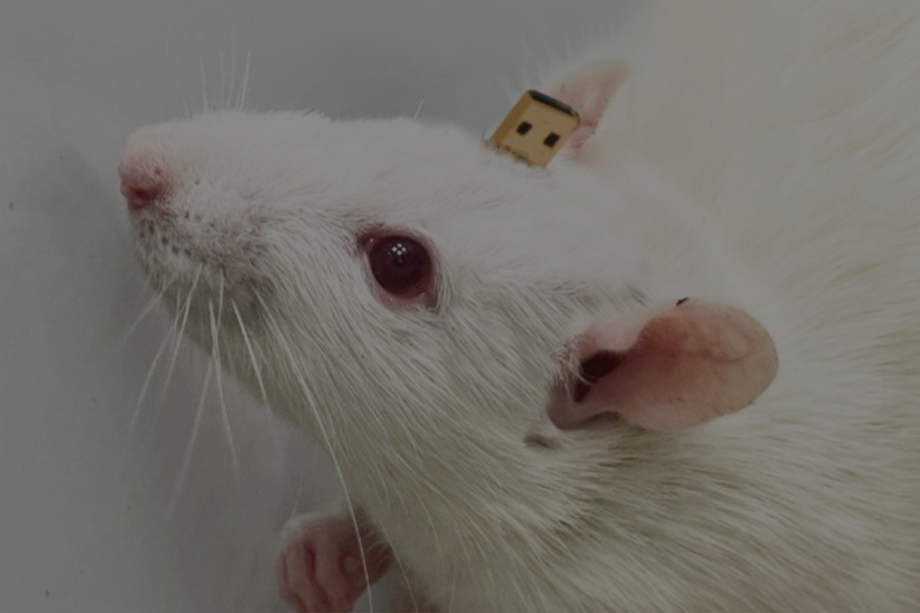
The method, described in the journal ACS Applied Electronic Materials (Q1), reduces the time and cost of prototyping. As noted by Vasily Popkov, head of the Laboratory of Invasive Neurointerfaces at the Institute of Artificial Intelligence of Moscow State University:
In just 2 years of the laboratory's work, we have come a long way from developing the design of our first thin-film electrodes to testing the biocompatibility of ready-made prototypes in long-term experiments.
An important achievement was the use of tantalum instead of expensive noble metals. The technology has already been successfully tested in the «Пифия» project, where electrodes implanted in the brain of a rat did not cause significant tissue damage even after six months of use.
The development opens up new opportunities in neuroprosthetics and the restoration of motor functions. In the next 5–10 years, an increase in research in the field of BCI can be expected, which will bring closer the era of integration of humans and artificial intelligence.
Читайте ещё материалы по теме:
Фазовый ввод и гиперспектральный анализ: самарские учёные усовершенствовали фотонный вычислитель
Технологию распознавания устройств на основе «радиогенома» разработали учёные РТУ МИРЭА
Now on home

Start of deliveries scheduled for 2027

Over 51,000 new motorcycles were sold in Russia in 2025

The car will take at least a year to assemble

The application's audience has reached 20 million users

The model will be included in the list of cars for taxis, price - from 2.25 million rubles

All parking lots of the "Administrator of the Moscow Parking Space" are connected to the service

The cars will be supplied to the Moscow Transport Service Directorate
Deliveries to India may begin in 2028
The technology provides automated search for all types of defects in power units

The plane flew 500 km, accelerating to 425 km/h

The plant stated that the information about the termination of purchases for models 6 and 8 is not true
Scientists are using the "Ekran-M" installation