Translated with AI from the Russian original.
Geologists and paleontologists from Tomsk State University (TSU) have made an important discovery in Kuzbass. During an expedition to the Kemerovo region, near Novokuznetsk, they discovered a location of Jurassic fossils, estimated to be 187-183 million years old. The find will help scientists better understand the consequences of the global environmental crisis known as the Toarcian Anoxic Event, when volcanic activity drastically changed the Earth's climate.
The consequences of the Toarcian Anoxic Event - warming and increased acidity of the world's oceans - led to the death of some species of flora and fauna. While there is data on what happened to marine biota, there is practically no information about the consequences for continental flora and fauna. The goal of our expeditions is to fill this gap.
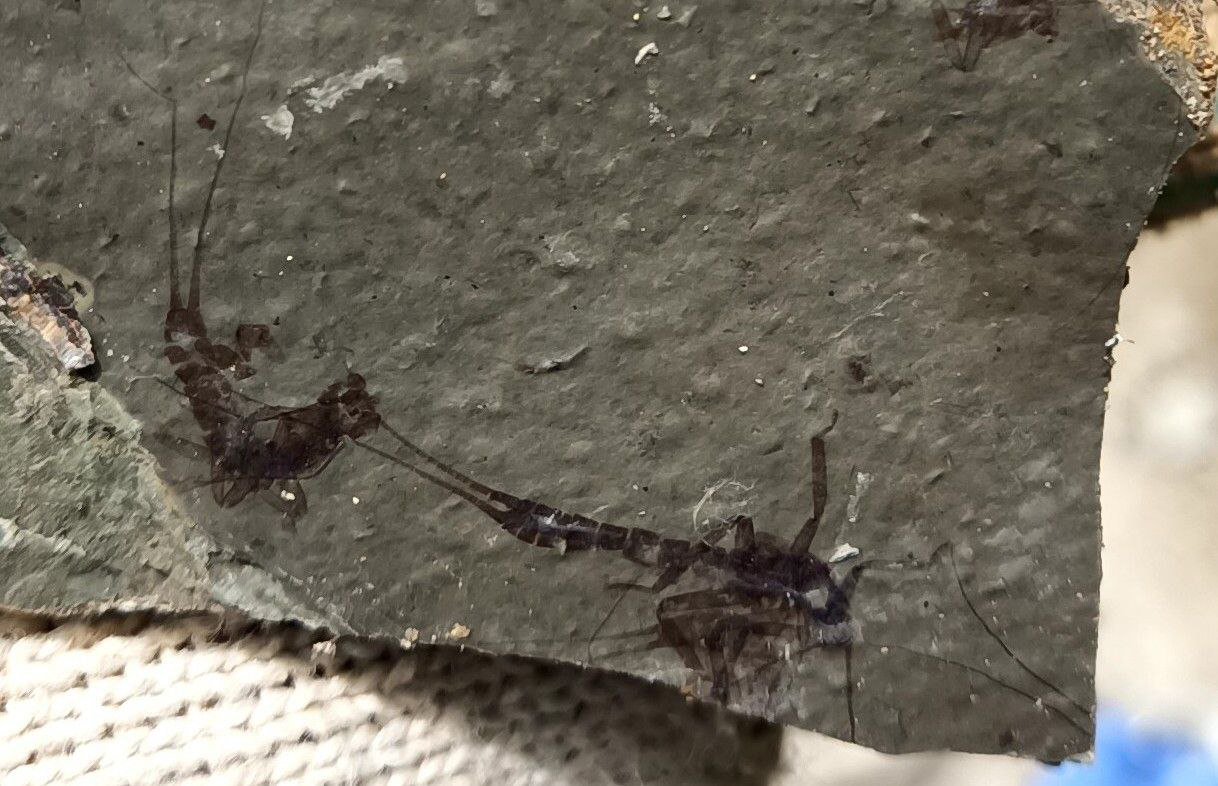
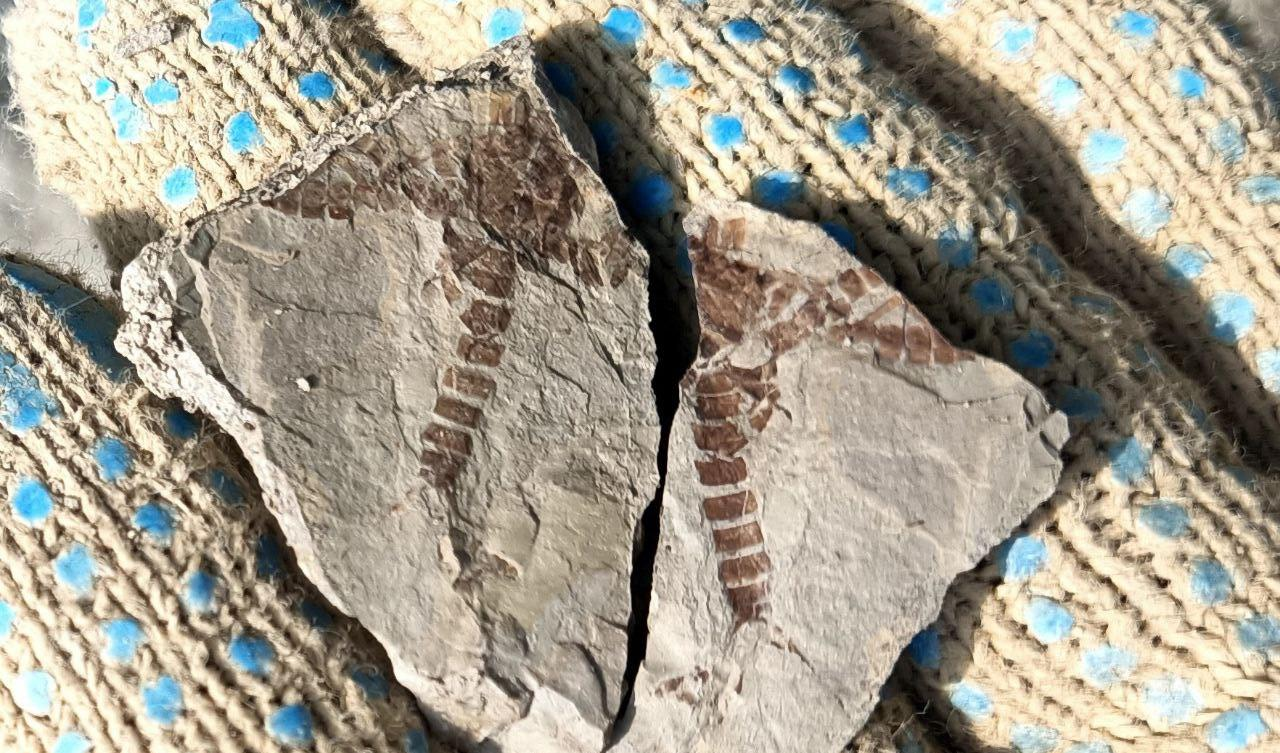
Among the finds are the remains of ancient plants, fish, crustaceans and insects. Of particular interest is Chekanowskia - an extinct coniferous plant with an unusual leaf structure. Paleontologists have collected more than 40 kg of samples, which now need to be studied in laboratories.
This is a distant "relative" of our spruces and pines, it belongs to gymnosperms. They had long, thin leaves, similar to needles, but of a much greater length - about 30 centimeters. If a modern cedar has five needles in a bunch, then Chekanowskia could have 16. Unlike modern spruces and pines, they had several trunks, like a modern willow. Representatives of this group grew mainly along river floodplains, the group completely died out.
The results of the study will deepen knowledge about the development of life in the Jurassic period in Siberia. The study of fossils will help determine how certain species of animals and plants spread in the southern part of Siberia, as well as their connection with other regions, such as Europe and China. An analysis of changes in past ecosystems that occurred in the context of global climate change will allow us to predict the consequences of modern climate change with some degree of probability.
Read more on the topic:
Scientists from TSU have created a geological map of Venus for future space missions
A new current in the least studied part of the Vima channel was discovered by Russian researchers from MIPT and the Institute of Oceanology of the Russian Academy of Sciences
Never miss our newsAdd this site to your preferred sources to see us more oftenAdd on Google

















