Sechenov University has developed an innovative approach to treating pelvic organ prolapse, a common gynecological problem affecting up to 30% of women. Traditional surgical correction methods do not always provide long-term results: in 30% of cases, relapses occur, and the use of synthetic materials sometimes leads to complications.
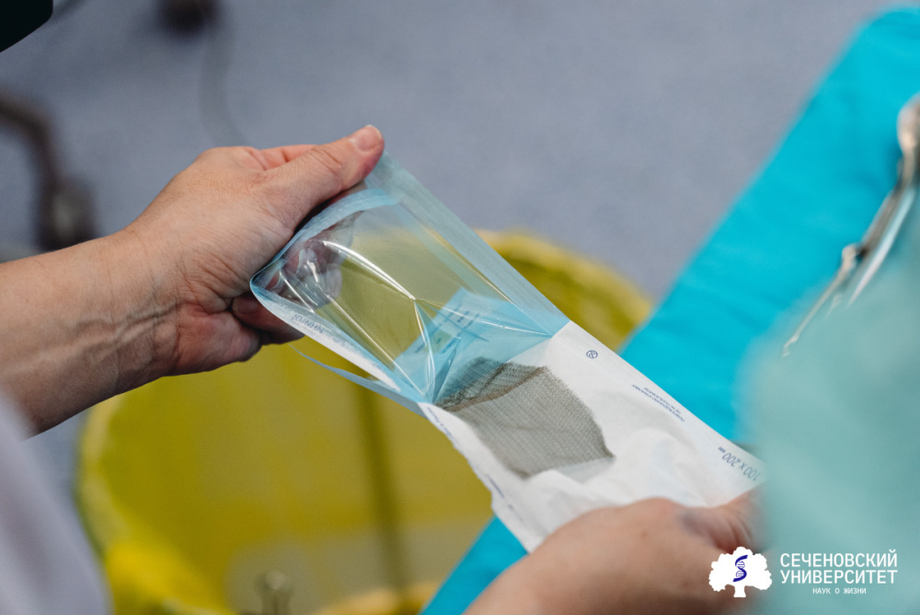
The new technique is based on cell-engineered constructs - mesh implants seeded with autologous fibroblasts (connective tissue cells from the patient herself). This reduces the risk of rejection, as the body perceives the implant as "its own." The technology has been successfully tested in animal experiments and then applied in clinical practice.
The result is a material that is practically "native" to the woman. In this way, we can outsmart the body by passing off the meshes as its own tissues.
During the pilot operations, titanium meshes seeded with fibroblasts taken from the patients' skin were used. After three months of observation, no complications were detected, and organ functionality was fully restored. In the future, the method is planned to be used for other pathologies, including Asherman's syndrome and congenital vaginal anomalies.
The study showed that the constructs are suitable for implantation, do not cause rejection, and form more mature connective tissue. It is assumed that in the future, the method will minimize the likelihood of complications.
Classic propylene implants, despite their widespread use, can cause chronic inflammation and tissue deformation. Titanium silk, previously patented at Sechenov University, has already shown better biocompatibility. The new method with autologous cells may be the next step in reducing postoperative risks.
Read more materials on the topic:
Aerosol Printer for Printing Microcircuits and Neural Implants Developed by Russian Scientists
Now on home

Start of deliveries scheduled for 2027

Over 51,000 new motorcycles were sold in Russia in 2025

The car will take at least a year to assemble

The application's audience has reached 20 million users

The model will be included in the list of cars for taxis, price - from 2.25 million rubles
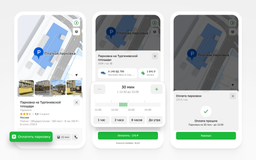
All parking lots of the "Administrator of the Moscow Parking Space" are connected to the service

The cars will be supplied to the Moscow Transport Service Directorate
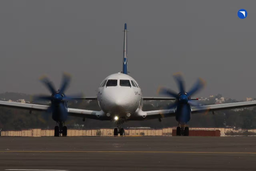
Deliveries to India may begin in 2028
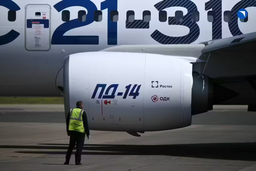
The technology provides automated search for all types of defects in power units

The plane flew 500 km, accelerating to 425 km/h

The plant stated that the information about the termination of purchases for models 6 and 8 is not true

Scientists are using the "Ekran-M" installation