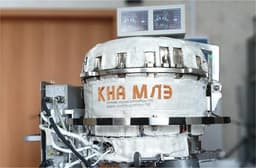
Engineers at the Moscow Aviation Institute have developed a technology to compensate for signal delays in teleoperated unmanned aerial systems. This solution allows controlling drones and other aircraft with high precision, even with a signal delay of up to two seconds, which is especially critical in difficult weather conditions or in case of main piloting failures.
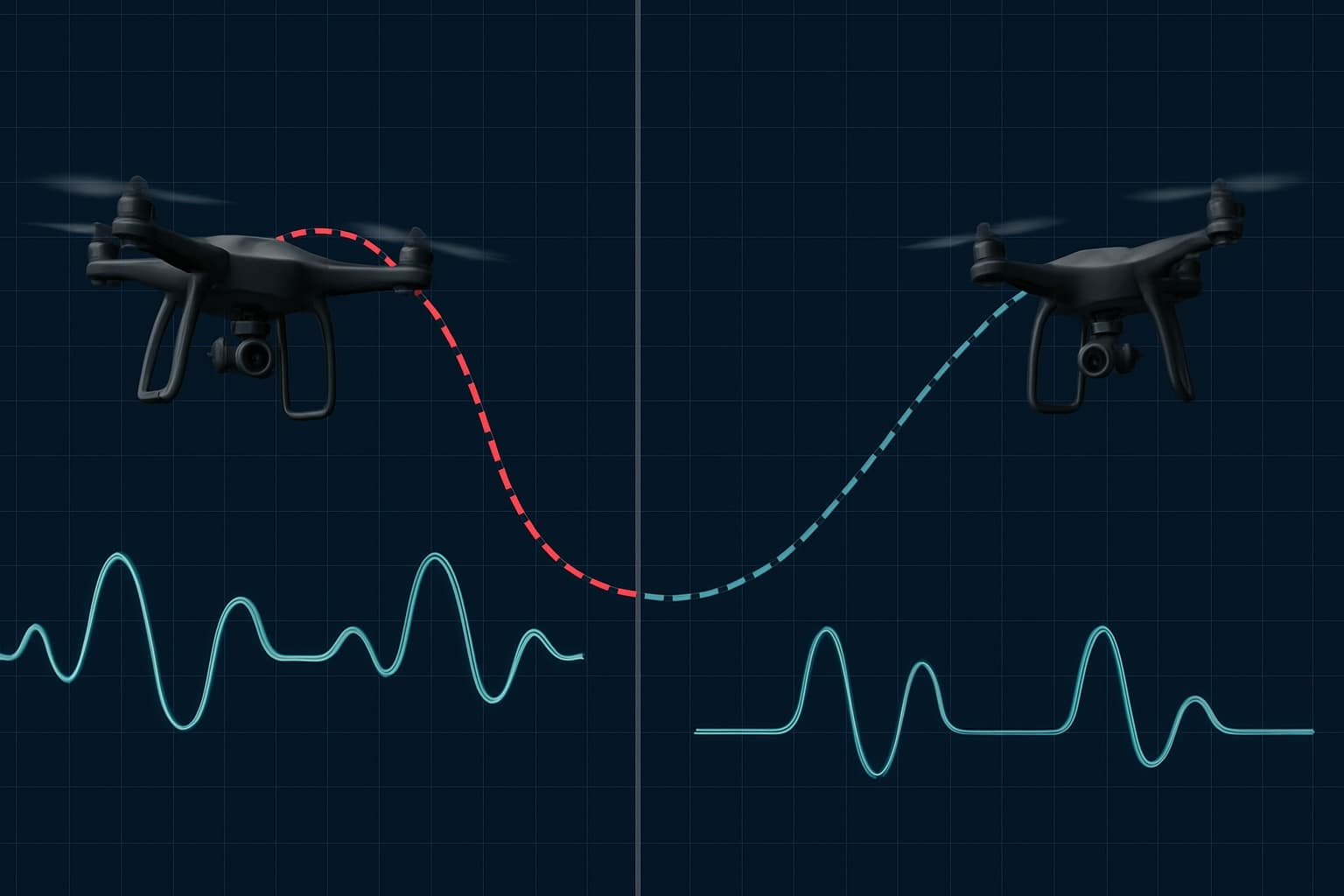
The technology is based on a real-time system that includes multi-layered flight path prediction and dynamic correction of displayed parameters. It adapts to specific types of aircraft and takes into account the psychophysiological characteristics of the operator, optimizing their interaction with the system.
Previously, similar algorithms were used in spacecraft control, where the signal delay exceeded one second and made manual docking almost impossible. The development has been improved and adapted for unmanned aviation, where even a minimal delay significantly affects control accuracy.
The new system is already being used in projects for controlling heavy transport aircraft and drones, ensuring safe landing in the event of a main system failure. The technology is entirely developed in Russia and is an important step towards import-independent, high-precision control of aviation equipment in real time.
Read more materials:
New Russian flight controller for UAVs to be presented in Russia
Technology for controlling a drone via satellite implemented in Russia