Scientists at Perm Polytechnic University have developed an innovative method for cooling oil that can increase heat exchange efficiency by 17%. The modernization of air coolers (AVC) will allow oil companies to reduce energy consumption and adapt to increasing production loads.
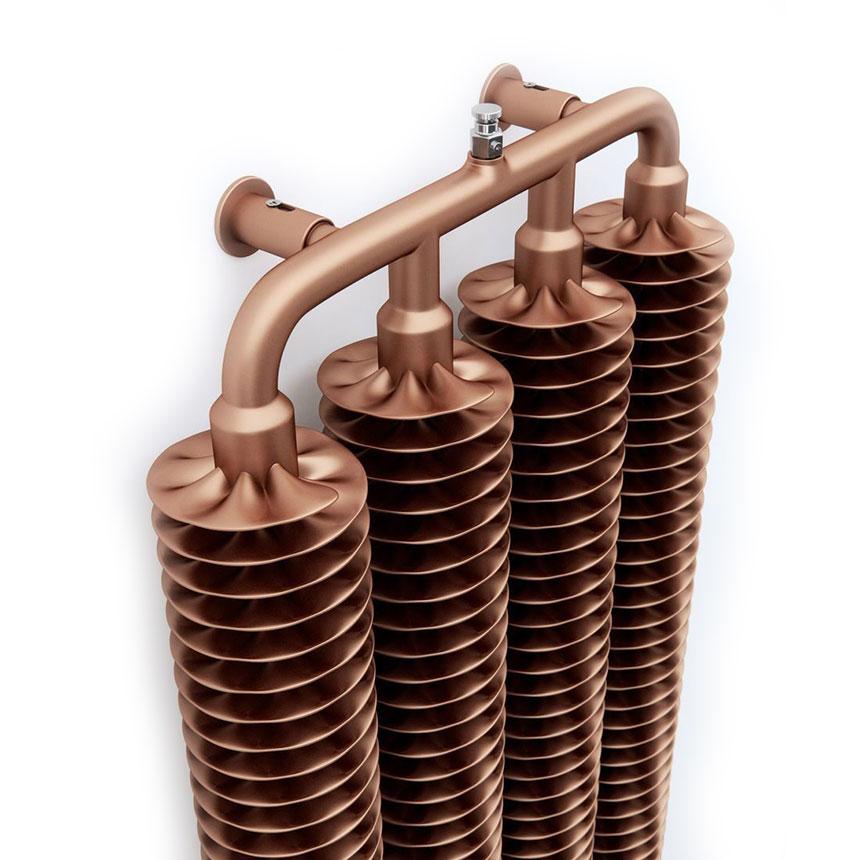
Traditional AVCs use finned tubes with a smooth surface through which heated liquid passes. Fans direct air to dissipate heat, but standard designs have limited efficiency - the heat transfer coefficient rarely exceeds 90 W/m².
The researchers proposed replacing the smooth fins with petal elements made in the form of a spatial spiral with an angle of inclination of 10 degrees. This design increases the contact area with air and creates turbulent flows, which significantly accelerates heat exchange.
The technology was tested on an EC-101 unit used in the hydrocracking process. It turned out that standard smooth fins provided heat transfer of only 64.6 W/m², which no longer meets modern requirements. After modernization, efficiency increased by 17%, which was confirmed by calculations of scientists.
Read more on the topic:
Tagged water helped make oil production more economical
Simple and effective: Perm engineers have improved pumps for oil production
Never miss our newsAdd this site to your preferred sources to see us more oftenAdd on Google