The small missile ship (MRK) of project 22800 "Rzhev", code "Karakurt", built by specialists of the Amur Shipbuilding Plant (part of the United Shipbuilding Corporation, OSK), has taken on board its first crew.
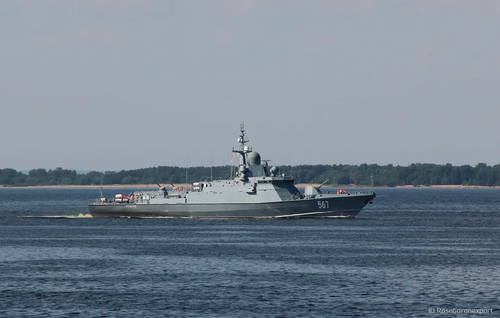
Currently, the ship is preparing for state tests at the company's delivery base. The personnel have already begun to master all the ship's systems and stand watch.

Project 22800 (code "Karakurt") was developed by the Almaz design bureau of the OSK. The main purpose of small missile ships is to perform combat missions in the near sea zone, as well as participate in peacetime operations.
Ships with a displacement of about 870 tons and an advanced weapons system, including guided missiles of several types, depending on the combat missions, will be able to operate independently or as part of ship groups.
Ships of project 22800 are equipped with a universal complex with eight cells for "Caliber" and "Onyx" cruise missiles.
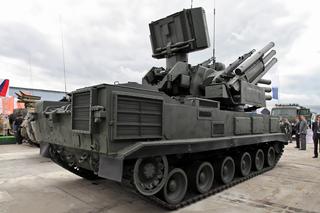
Earlier www1.ru reported that new Tor-M2 air defense systems will be adapted to destroy kamikaze drones.
Read more materials:
The legendary Soviet armored vehicle BRDM-2 sailed along the Neva and surprised tourists
Russia will transfer a batch of the latest Su-30SM2 fighters to Belarus next week
A new Lancet-like strike drone with camera guidance has appeared in Russia
Never miss our newsAdd this site to your preferred sources to see us more oftenAdd on Google