Specialists from Sechenov University, together with colleagues from the Medical University of Vienna, have completed the development of a recombinant vaccine for the treatment of allergic reactions to cat allergens.
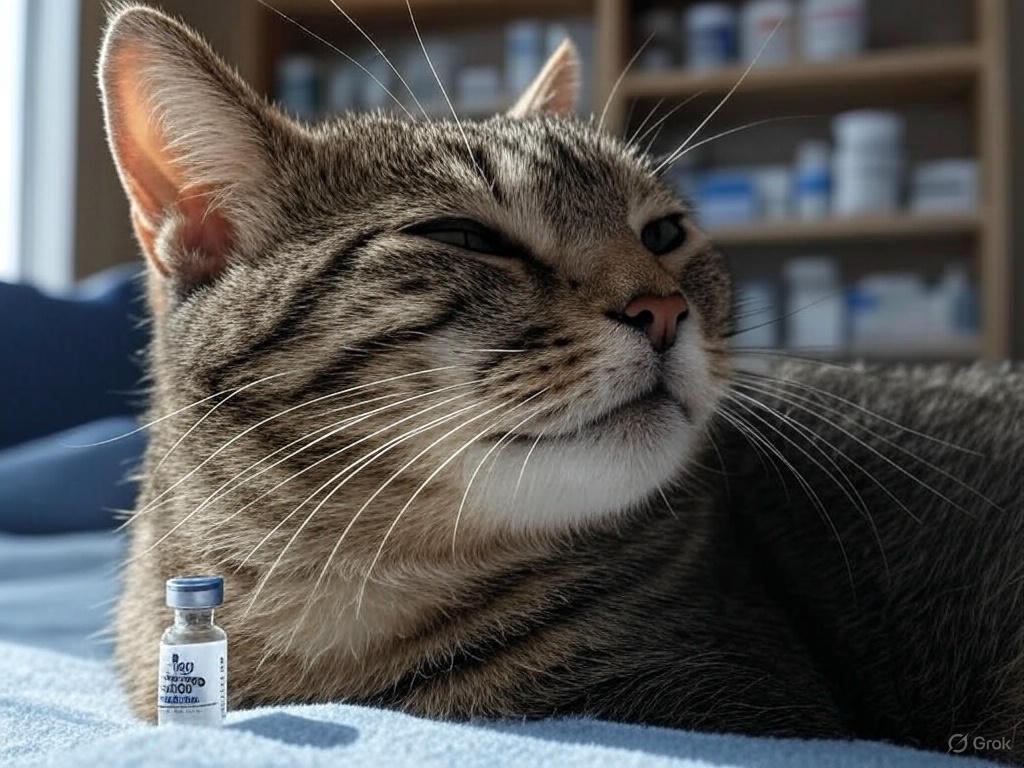
The drug, created on the basis of safe protein fragments, is moving to the stage of preparation for clinical trials. Two of the most effective composition options have already been selected based on the results of laboratory studies.
The new approach is based on the method of allergen-specific immunotherapy (ASIT), which involves gradually "accustoming" the body to the allergen. However, unlike traditional drugs that use extracts of animal hair or saliva, the vaccine is synthesized artificially. This allows you to accurately dose the active components and cover the entire spectrum of allergenic proteins, minimizing side effects.
The key innovation lies in replacing whole allergens with their individual fragments. This design reduces the risk of complications and increases the effectiveness of therapy aimed at forming long-term stability of the body.
According to experts, cat allergy is one of the most common forms of respiratory hypersensitivity. Up to 25% of the world's population suffers from symptoms ranging from rhinitis and conjunctivitis to bronchial asthma. The reaction is caused by the protein Fel d 1, which cats spread through their fur and saliva, settling on surfaces and household items.
Modern treatments, including hypoallergenic foods or antihistamines, only temporarily eliminate symptoms. The new vaccine aims to address the root of the problem - restructuring the immune response. This can significantly improve the quality of life for millions of people forced to avoid contact with animals. In addition, the technology paves the way for the creation of similar drugs for other types of allergies, strengthening the position of Russian science in the field of biomedicine.
Trials on volunteers are scheduled for the coming months. The success of the project could be a breakthrough in personalized medicine, offering a safe and long-term solution for patients with persistent forms of allergy.
Read materials on the topic:
Don't sneeze or itch: a unique drug against pollen allergy was created by scientists from the FMBA
KAI has created algorithms for autonomous navigation of drones without GPS
Never miss our newsAdd this site to your preferred sources to see us more oftenAdd on Google

















