The "Tachka Cyber" exhibition in Minsk showcased a rare example of the Russian automotive industry - the Marussia B2 supercar. The model became the central exhibit of the event, attracting the attention of both car enthusiasts and industry professionals.
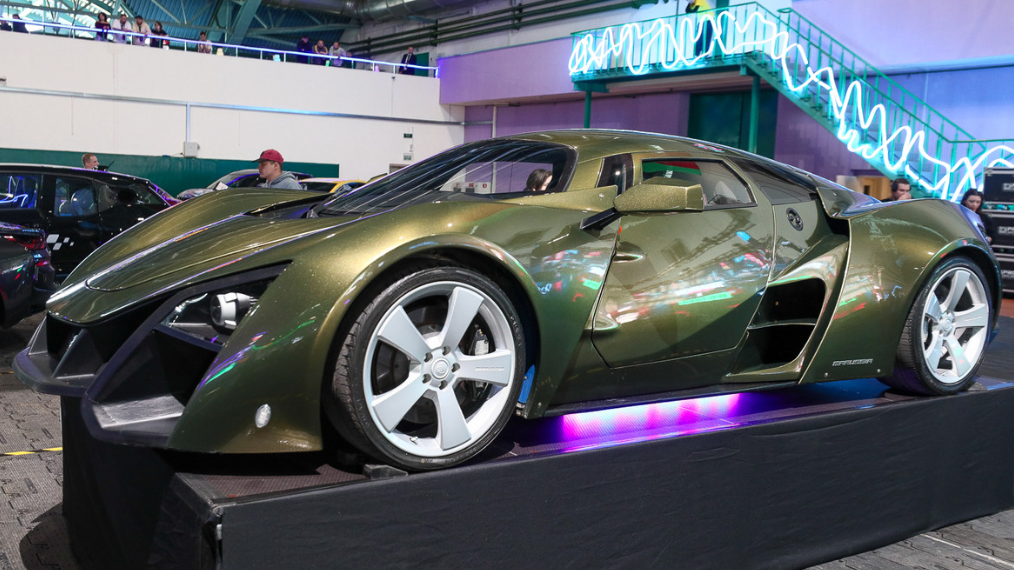
The supercar was developed by Marussia Motors in the early 2010s. The car features a carbon fiber body, a bold futuristic look, and carefully crafted aerodynamics.
British technologies and developments from the world of motorsport were used in the creation of the Marussia B2. All copies were assembled manually in Russia.
The car is equipped with a V-shaped 6-cylinder engine with 420 hp and a six-speed automatic transmission, allowing it to accelerate to 100 km/h in approximately 3.8 seconds. In total, the manufacturer managed to produce a dozen of these cars, which makes the B2 a real rarity for collectors.
Earlier www1.ru reported that unique shots of the Soviet ZAZ Sport 900 coupe have appeared, which has survived to this day.
Read materials on the topic:
"Time capsule": 1979 "Zaporozhets" with zero mileage put up for sale
"Time capsule": a perfectly preserved 33-year-old "Moskvich-2141" has appeared for sale
Never miss our newsAdd this site to your preferred sources to see us more oftenAdd on Google