Specialists from Perm National Research Polytechnic University have created an innovative method that helps to reduce the cost of producing nanoporous materials for bone implants. This method eliminates the use of expensive and harmful substances, which speeds up the process and reduces energy consumption.
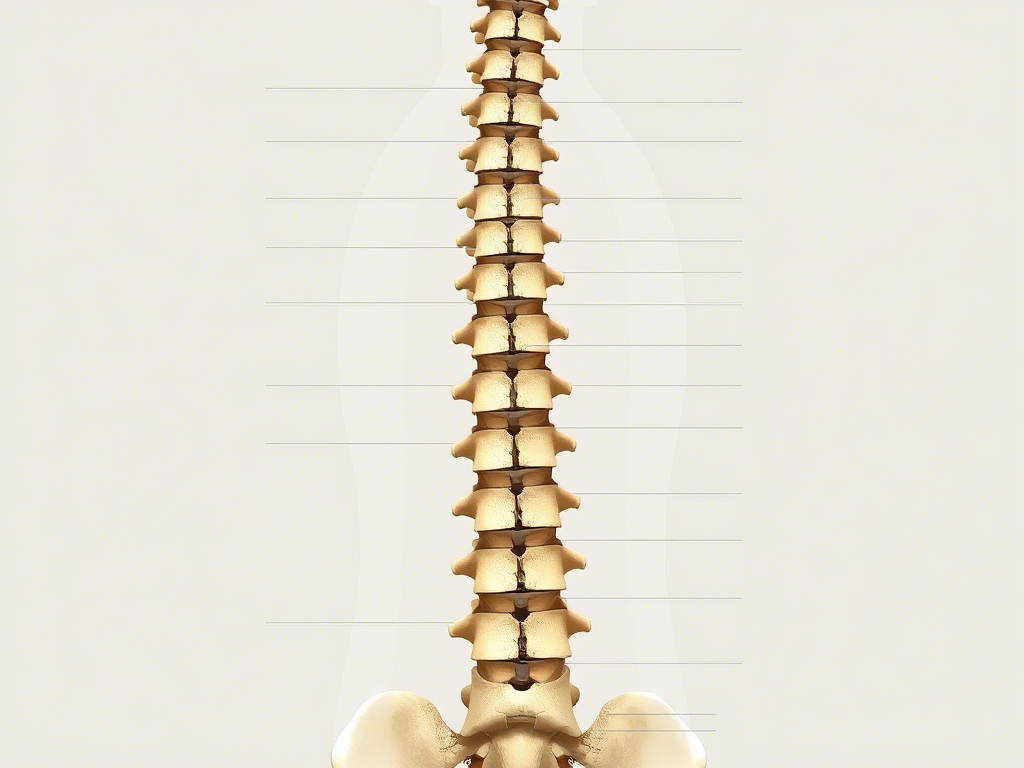
Worldwide, there are 3.5 to 4 million operations performed annually using materials for bone tissue regeneration. This is the second most popular type of medical procedure after blood transfusions.
Nanoporous structures, similar to a sponge, play a key role in creating implants. Their porous surface promotes rapid tissue healing and gradual replacement of the artificial material with natural bone.
The traditional method of creating such materials, known as bottom-up, requires the use of surfactants, which then need to be removed. This increases the cost of time and energy.
Scientists from Perm Polytechnic University have developed an innovative approach-the top-down method. It allows creating a porous structure by controlled heating of magnesium phosphate. Optimal processing conditions (90 °C for 2 hours 40 minutes) allow the formation of pores with a size of 5-10 nanometers without the use of additional chemicals.
The development opens up opportunities to reduce the cost of not only medical implants, but also water purification systems, industrial catalysts, and other advanced materials. In the future, scientists intend to adapt the methodology to work with other compounds.
Earlier, scientists from Peter the Great St. Petersburg Polytechnic University developed aninnovative method for predicting the behavior of dental implants under various conditions.
Read also on the topic:
Russian prostheses are in trend: "Motorica" increased annual profit by 113%
MaxBionic presented models of bionic hands MeHandA and MeHandB on its own software