Translated with AI from the Russian original.
Specialists from Novosibirsk State University (NSU) have successfully tested a drone designed to transport goods to remote regions. The device traveled 4.5 km over the Ob River, delivering medicines to the village of Nizhnekamensky Village Council, where ground communication is interrupted for two weeks in the spring.
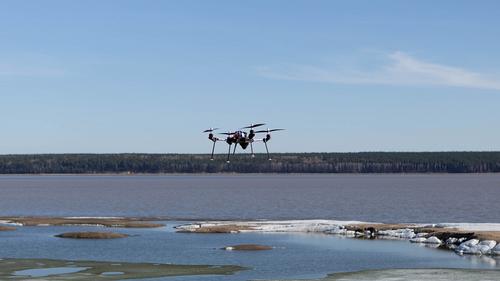
The drone was created using 3D printing of the body and a combination of imported electronics with proprietary software. NSU algorithms control the flight, process data from cameras and sensors, and the odometry system analyzes the underlying surface for accurate positioning without complete dependence on GPS. The immediate plans include the integration of neural networks that will increase the reliability of navigation in low signal conditions.
The drone is capable of independently plotting a route, performing tasks, and returning to base. No infrastructure is required for operation - take-off and landing are possible on unprepared sites. Currently, the payload is limited to 500 grams, but this is enough to transport medicines or urgent parcels.
Tests in the Ordynsky district confirmed the practical value of the project. Local authorities note that the technology will solve the problem of logistics during periods of ice drift and floods. By the summer, scientists plan to release a batch of five drones for test operation in active tourism areas, where vacationers will be able to quickly receive goods without long crossings.
Read also on the topic:
Drones in the city: S-80 drone gets the green light for cargo delivery in the city
The newest Yamshchik logistics drone with a drone self-defense option was created in Russia
When arrival is not scary: drone delivery of products is organized in Russia
Never miss our newsAdd this site to your preferred sources to see us more oftenAdd on Google

















