Translated with AI from the Russian original.
The lightweight spacecraft RUVDSSat1, created by the hosting provider RuVDS and the Design Bureau "Fifth Generation", has moved to the stage of pre-flight checks. The device will become a test platform for opensource solutions in the field of small satellites, as well as test algorithms for group control of devices. The launch into orbit is scheduled for mid-summer 2025.
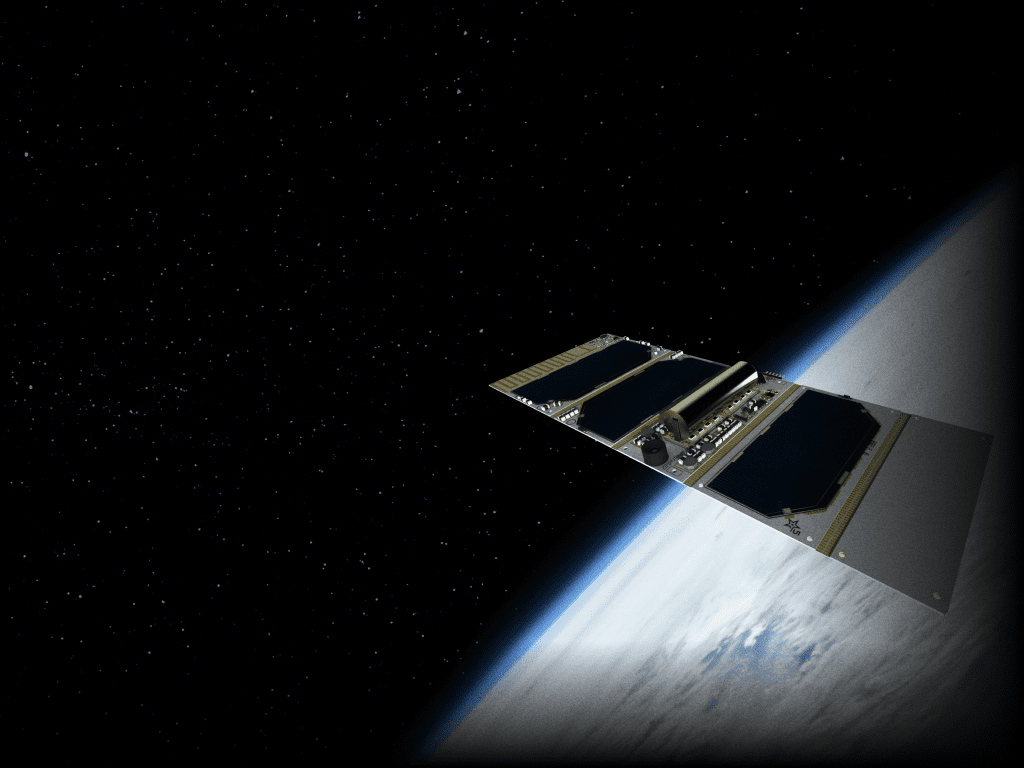
The satellite, weighing less than 500 grams, is equipped with a 2250 mAh battery and two computing modules. The main computer controls communication and systems, and the Raspberry Pi Zero microcomputer (1 GHz, 512 MB RAM) is responsible for performing IT tasks. The TriSAT design has a triangular cross-section and opens after reaching orbit.
At the current stage, the device is undergoing thermal vacuum and vibrodynamic tests, simulating space conditions and loads during launch. After successful completion, RUVDSSat1 will go to the cosmodrome. In orbit, it will test the coordination algorithms of a group of satellites, developed by the Keldysh Institute of Applied Mathematics.
The TriSAT platform was originally created for educational purposes, allowing students to gain practical experience. However, the private sector has expanded its application.
Related materials:
Replacing the failed satellite server: the new RuVDSSat1 will be launched into orbit in July 2025
Russia will launch a picosatellite for the first time to control virtual servers
The Moon and Mars will have domestic 3D twins: Geoscan CubeSat satellites will be used
Never miss our newsAdd this site to your preferred sources to see us more oftenAdd on Google

















