The fuel oil slick in the Black Sea, formed as a result of the sinking of two Volgoneft tankers in December, may break up into small fragments and pollute the coast of Crimea and the Krasnodar Territory by April 21. This was reported by specialists from SR Data (part of the SR Space aerospace holding).
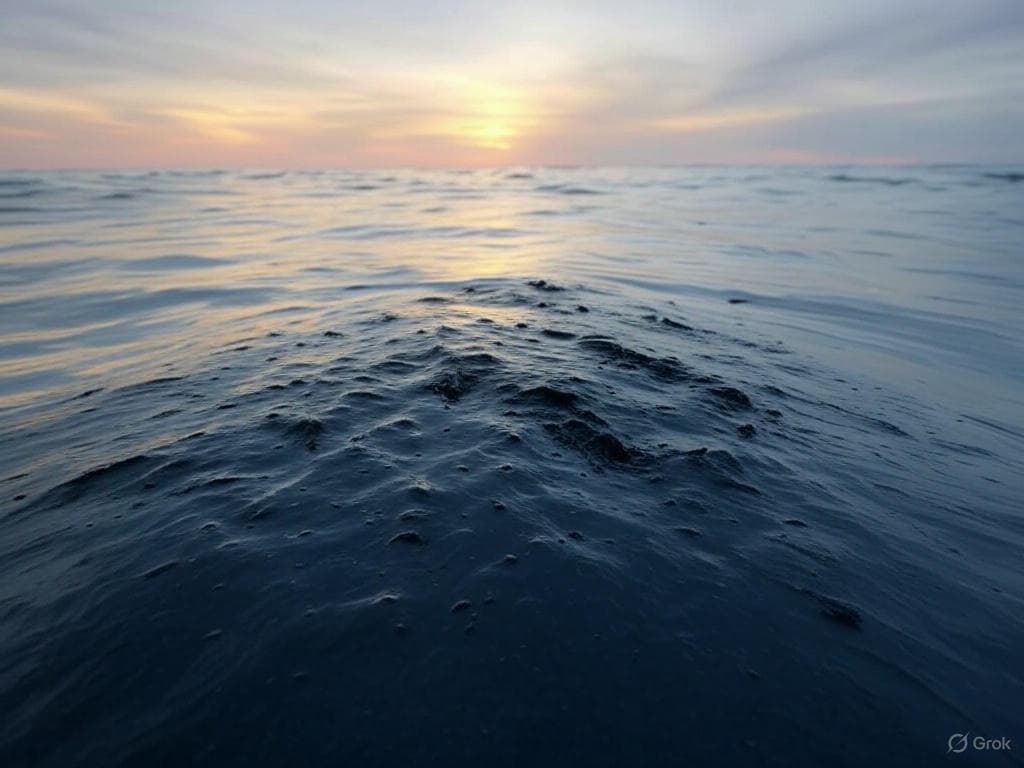
According to the research results, data were obtained indicating that the fuel oil slick in the Black Sea will disappear by the end of April, but during this time it will pollute 2175 sq. km of water area. 115 km of the Crimean coast and 85 km of the Krasnodar Territory coast will be under threat.
At the end of March, there is a risk of repeated pollution of the Anapa coast by light fractions of fuel oil. In the event of stormy weather, pollution may spread to Sochi, Tuapse, and even Sevastopol.
Due to the low temperature, most of the fuel oil settled to the bottom, and its rise into the water will begin only with increasing temperature. Images from radar devices, which are capable of recording the movement of petroleum products, as well as data on currents and winds, were used for the analysis.
SR Data plans to continue monitoring based on satellite images of the Black Sea. Specialists will also model the spread of fuel oil based on current weather data.
Earlier,www1.ru reported that the sunken parts of the Volgoneft tankers willremain underwater for at least a year - they will be hidden under cofferdams.
Read materials on the topic:
Putin spoke about the accident of the Volganeft tankers
The pollution zone near Anapa due to the tanker accident has increased by 49 kilometers