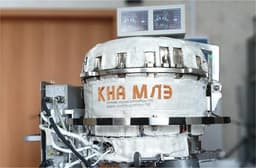
In the fall of 2025, a device designed to study solar flares is planned to be sent to the International Space Station. The device, developed by the P. N. Lebedev Physical Institute (LPI) as part of the "Sun-Terahertz" experiment, will record radiation in the range of 0.4-12 THz, which is almost completely absorbed by the Earth's atmosphere. The data obtained will help to verify theoretical models of flare formation and improve their prediction.
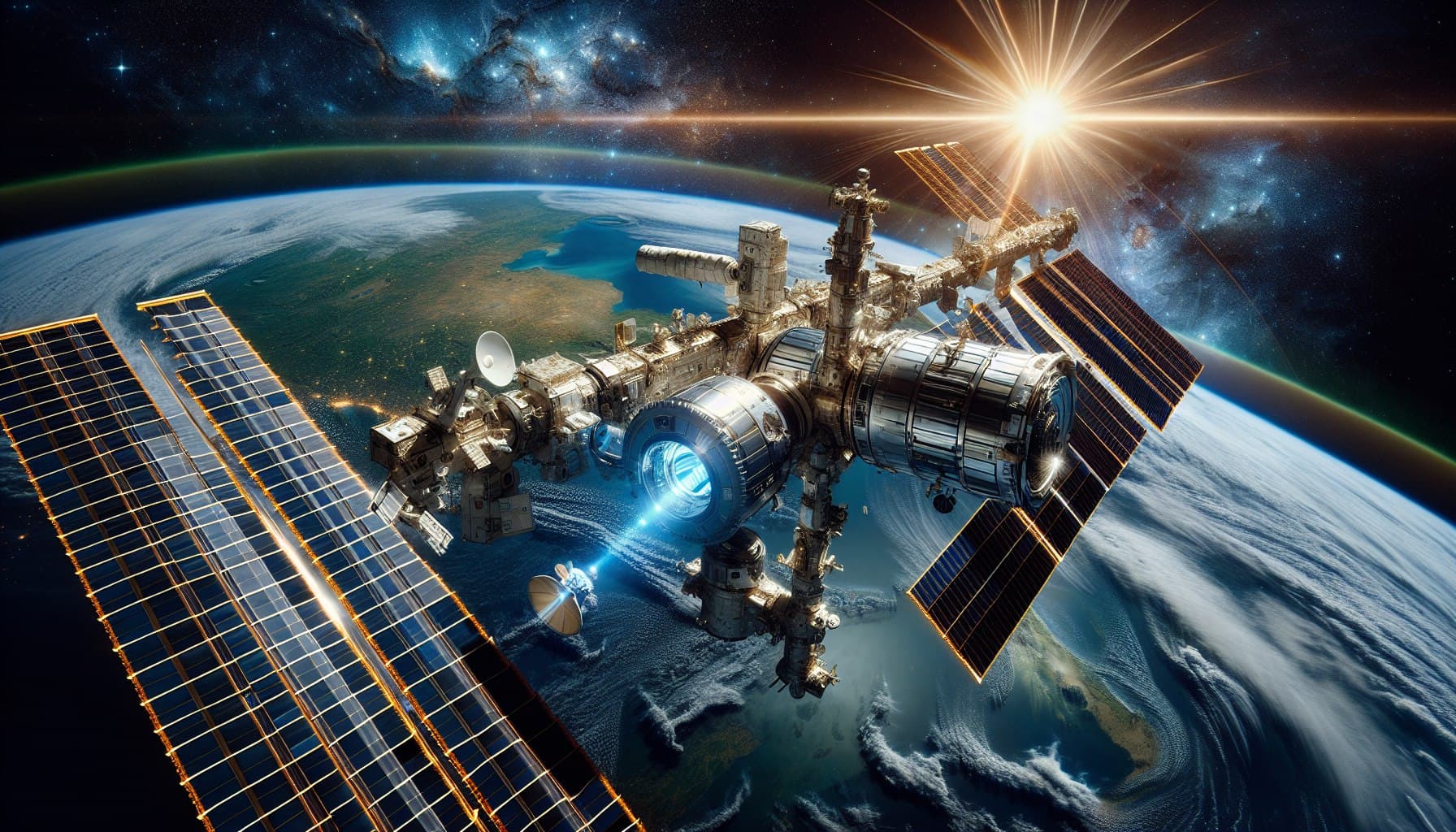
The 47 kg device is equipped with eight detectors, each tuned to a specific frequency range. For accurate aiming at the Sun, the device will be mounted on a biaxial rotary platform. After delivery to the ISS by a cargo ship, the equipment will be placed on the external surface of the "Zvezda" module. Even during periods of orbital night, the device will continue to collect data, analyzing the background radiation of outer space.
According to project manager Vladimir Makhmutov, existing models of solar activity are based on extrapolation of data, but direct measurements are needed to confirm them. The registration of terahertz waves will allow determining which physical processes accompany flares and predicting the emission of protons that are dangerous for technology and humans.
The ability to predict solar activity is critical for protecting satellites, the ISS, and future interplanetary missions. Terahertz radiation is also promising for terrestrial technologies: it is planned to be used in safe methods of medical diagnostics and sixth-generation (6G) communication systems, providing data transfer rates of up to 1 Tbit/s.
Solar flares can disable electronics, disrupt radio communications, and threaten the health of astronauts. The experiment on the ISS will be the first step towards creating a global system for monitoring space weather. For science, this is a chance to close the "terahertz gap" in knowledge about the Sun, and for industry, to master new frequencies for innovative applications.
The flight model of the device is already undergoing preparation at the Rocket and Space Corporation Energia. Scientists expect to receive the first results of the experiment in the spring of 2026, after the device is put into operation.
Read more on the topic:
Three powerful flares of the penultimate class occurred on the Sun on February 25
The most powerful plasma ejection occurred on the Sun this year
A new powerful flare on the Sun caused a plasma ejection: charged particles rushed to Earth