In just three years, the Angara-A5M launch vehicle will be sent into space from the Vostochny Cosmodrome. It will put the first module of the new Russian Orbital Station (ROS) into orbit. This project, according to Ilya Zheleznov, a leading engineer at RSC Energia, sets ambitious goals that go beyond traditional space research.
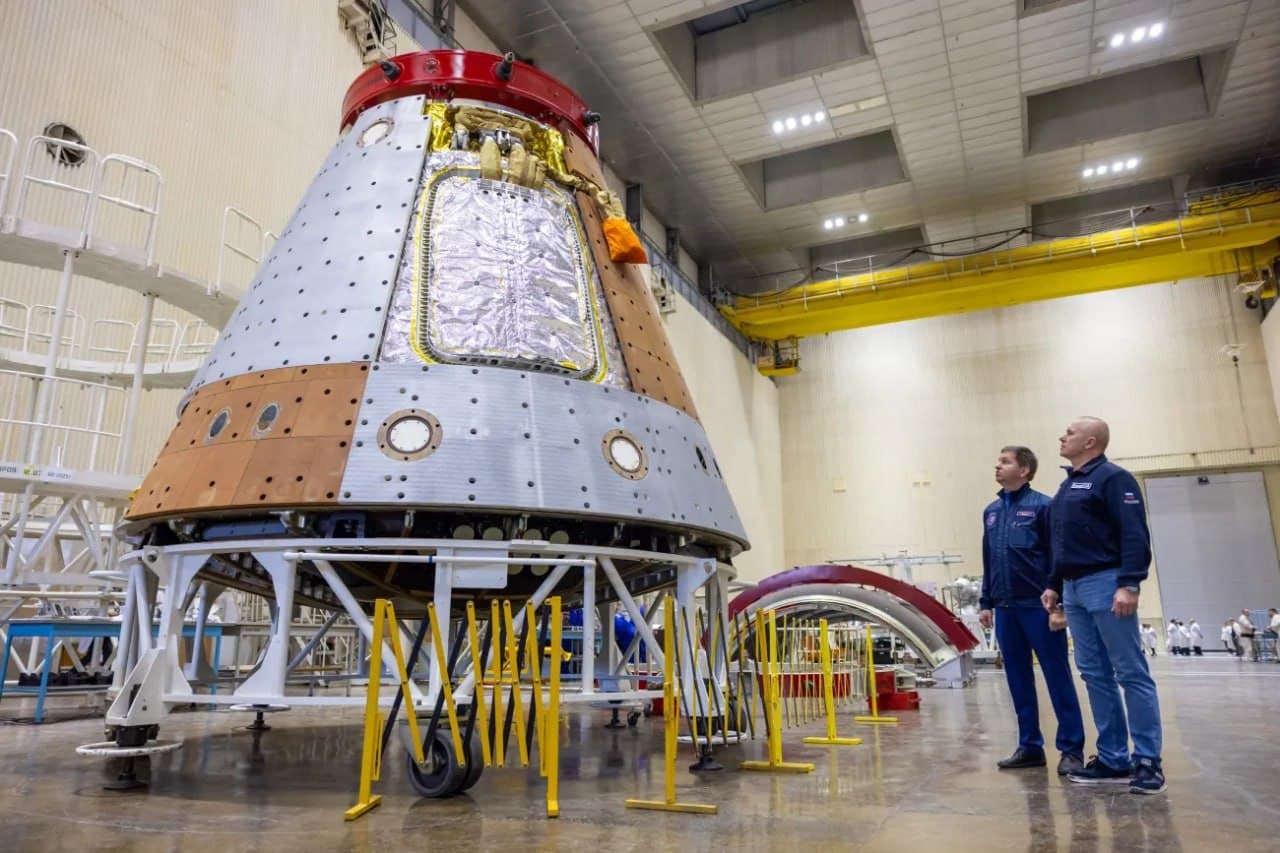
The main task of the ROS will not only be to continue manned space programs after the completion of the International Space Station (ISS), but also to practically apply technologies obtained in space. Many experiments conducted on the ISS are difficult to implement on Earth. This includes, for example, the cultivation of new materials. The ROS is designed to eliminate these barriers, providing a comprehensive study and practical application of the results of space research.
RSC Energia said that the Russian Orbital Station will help preserve unique competencies in the field of manned astronautics. This is especially important in light of plans for flights to the Moon and Mars.
The successful completion of long-range missions will require the development of many technologies, including radiation protection and the creation of autonomous life support systems. Some of these experiments will be continued at the new station.
The ROS is conceived as a platform for assembling and testing interplanetary ships, which makes the station a key element in the exploration of deep space. With the launch of the ROS, Russia is taking a step towards new horizons in space research, opening up opportunities for future generations of researchers.
Earlier www1.ru wrote about how the design of the ROS will allow replacing any outdated module, which will make its service life very long.
Read more on the topic:
A base station for creating a swarm of satellites will appear on the ROS