Translated with AI from the Russian original.
The Russian Orbital Station (ROS) will not just be a new space station, but a project focused on long-term operation. The uniqueness of the ROS lies in its fundamentally new modular architecture, which allows replacing outdated or failed elements, unlike the International Space Station (ISS). This was announced by Ilya Zheleznov, a leading engineer at RSC Energia.
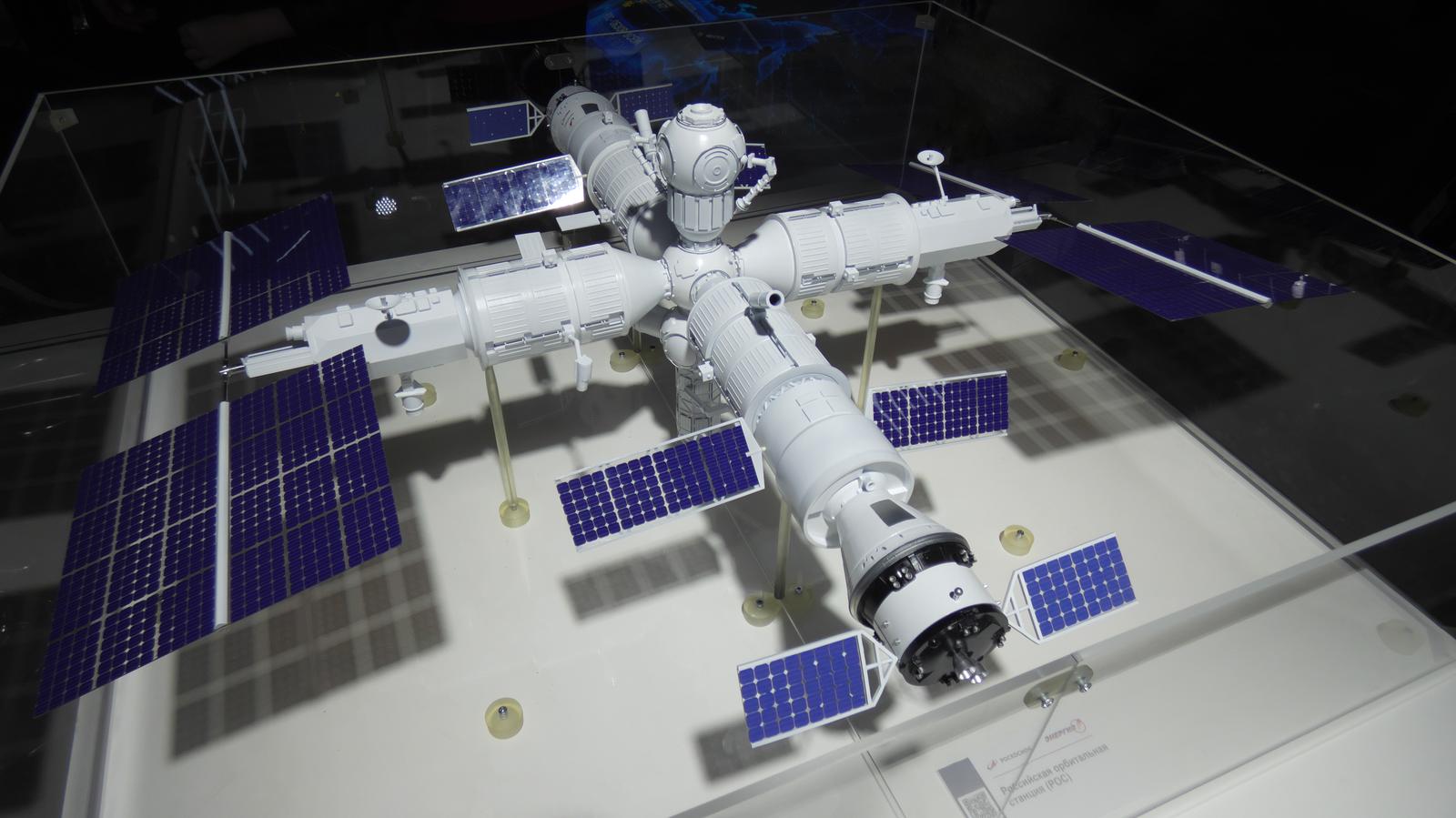
The key element of the ROS is a universal nodal module.
The station will be able to be eternal because it has an open architecture that allows replacing any outdated or damaged module if necessary. In addition, the guaranteed service life of the universal nodal module, which will become the core of the station, is much longer than that of other modules due to its relative simplicity.
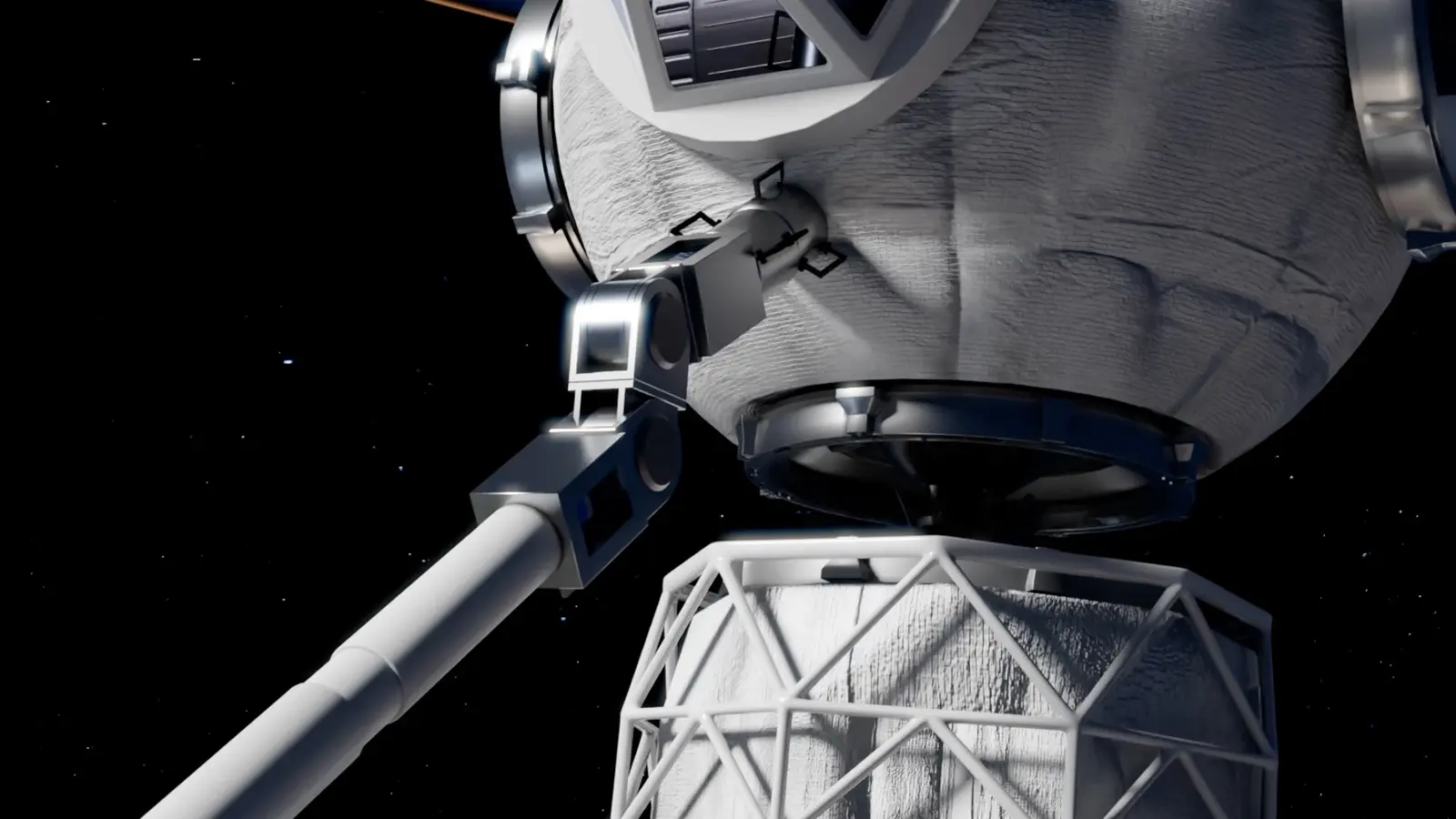
The first ROS module, the scientific and energy module (NEM), has undergone significant improvements. It received an updated control system, six power gyrodynes to save fuel, and a new passive docking node. These improvements will ensure reliable and long-term operation of the station.
The first ROS module is planned to belaunched into orbit in three years. For this, the Angara-A5M launch vehicle will be used.
Read materials on the topic:
Astronauts will have limited manned flights to the ROS due to radiation
Astronauts are increasingly forced to repair the ISS instead of doing science - Roscosmos
Russian cosmonauts are actively involved in the creation of the future ROS
Never miss our newsAdd this site to your preferred sources to see us more oftenAdd on Google

















