The Ionosphere-M satellites No. 1 and No. 2, launched on November 5, 2024, have successfully transmitted information about space weather - the helio-geophysical environment of the Earth. This was reported by the Roscosmos press service.
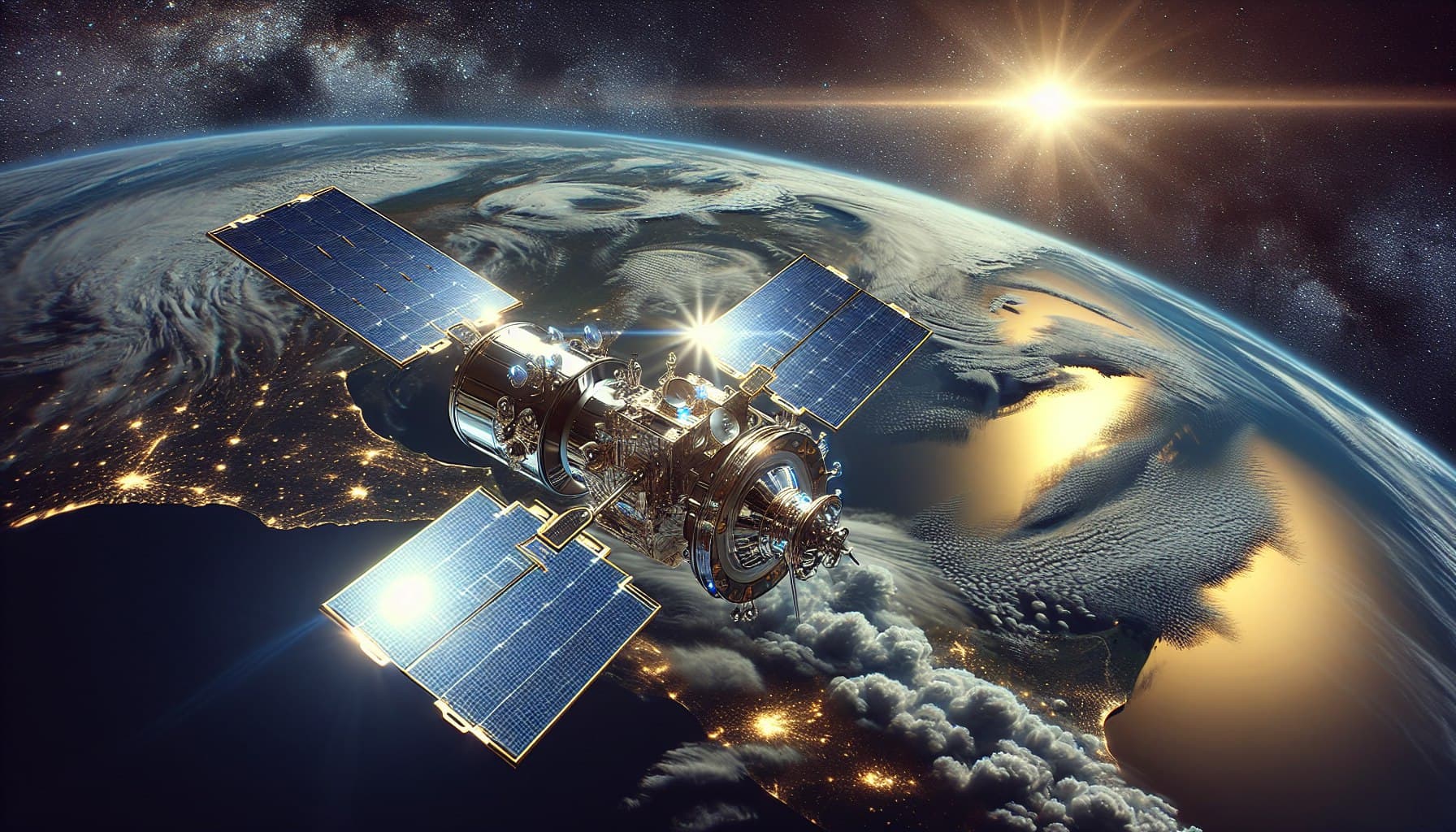
The complex of equipment of the satellites carries out direct measurements of the ionosphere - a part of the Earth's atmosphere, which is located at an altitude of approximately 30 to 1000 kilometers above the surface of the planet. Using the remote sensing method, high accuracy in determining the frequencies and resonances of space plasma is ensured.
Space plasma is a gas consisting of charged particles (electrons and ions) that are in a high-energy state. It is found in the solar wind and the Earth's ionosphere, affecting radio communications and satellite systems.
Satellites create a global map of the ionosphere. They help track changes in the ionosphere during solar flares and magnetic storms, identify various structures, such as the auroral oval (the area around the Earth's poles where auroras are observed) and places where charged particles fall out. Satellites also help in predicting earthquakes.
As part of the space system, it is planned to launch two more Ionosphere-M satellites this year for further monitoring of outer space.
Read more on the topic:
Roscosmos will take control of Russian satellites
Old NATO satellites will still work: why Russia needs decommissioned equipment
The reason for the dismissal of Yuri Borisov from the post of head of Roscosmos has become known