Moscow's automotive market continues to stand out against the rest of Russia, demonstrating accelerated development. In 2024, 128 brands of new cars were registered in the capital, as confirmed by data from Avtostat analyst Sergei Tselikov. This market, known for its leading effect, reflects global trends earlier than they become relevant in other regions of the country.
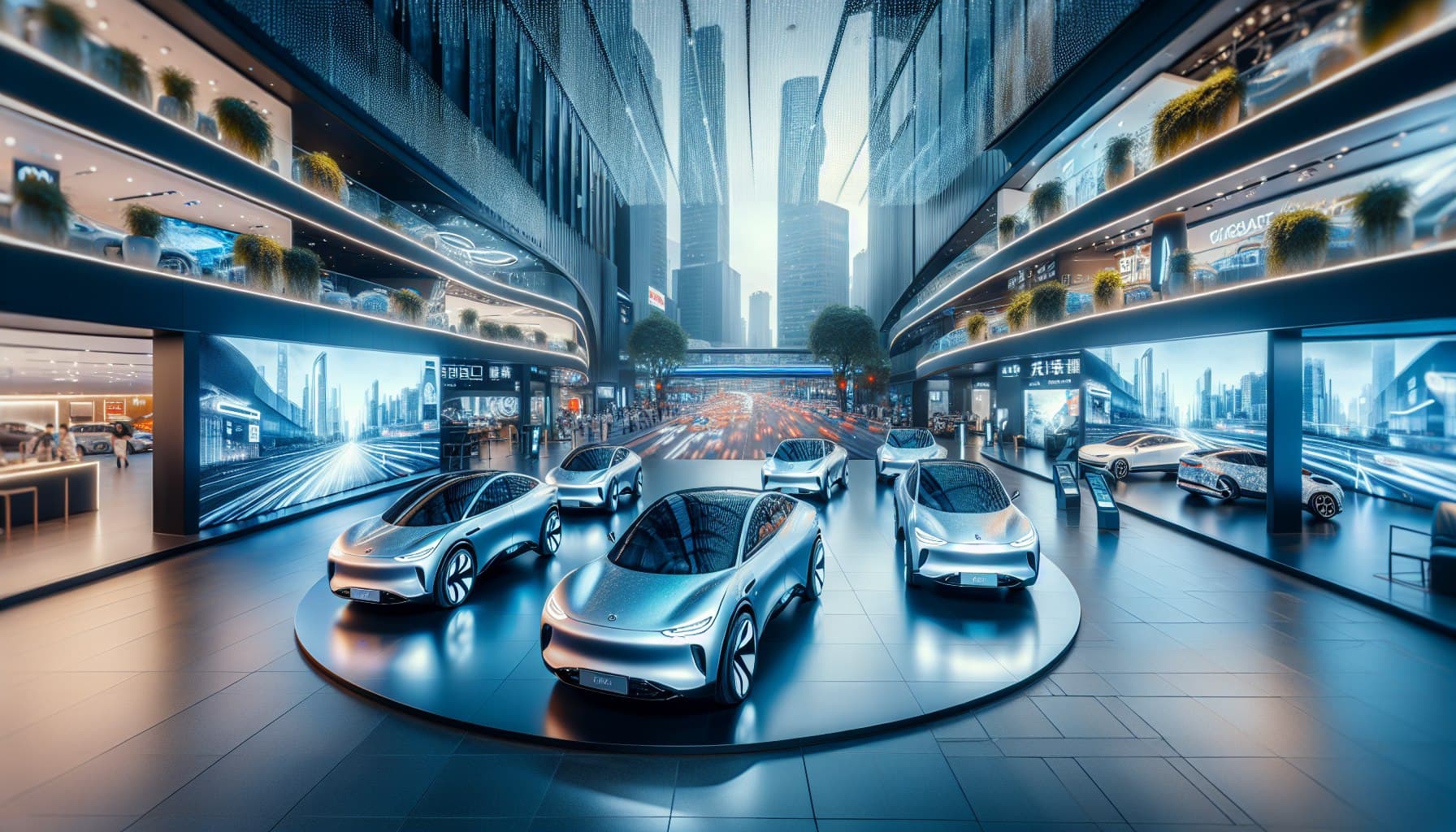
The main feature of the Moscow market remains the dominance of Chinese brands. Geely leads with a 13.8% share-it is the most globalized brand from the "Big Chinese Four," which collectively covers more than 40% of all new cars in the capital. Haval ranks second (11.8%), followed by Chery (8.0%) and Changan (6.8%). Lada, traditionally popular in the regions, closes the top five, but yields positions in Moscow with a share of 6.6%.
The revived "Moskvich" also made it into the top ten, taking 2.9% of the market, which was made possible thanks to the support of the city program. An impressive result is the seventh position of the premium Lixiang, which occupies 4% of the market, despite the high cost and sales through parallel import mechanisms.
Electrification of the vehicle fleet is one of the key features of the Moscow market. Electric vehicles (EVs) account for 3.2% of all sales, which is three times higher than the average for Russia (1.1%). Hybrids are also in demand: their share of sales in the capital reaches 10% against 4% on average across the country. This confirms that Moscow buyers are more likely to opt for technological and environmentally friendly solutions, which also reflects the level of infrastructural readiness of the metropolis.
In addition to the leaders, brands such as Belgree (4.3%), Exeed and Lixiang (4.0% each), Omoda and GAC (2.4% each) are present in the market. More traditional premium brands, such as BMW (2.2%), Mercedes-Benz (1.6%) and Toyota (2.1%), continue to lose their positions under pressure from Chinese competitors. New players, such as Zeekr (1.4%) and Jetour (1.9%), are confidently gaining a foothold in the market.
The Moscow market shows how the preferences of Russian consumers are changing and how the automotive industry is adapting to new conditions. The leadership of Chinese brands demonstrates the growth of their quality and competitiveness, and the high demand for electric vehicles and hybrids indicates technological development and environmental awareness of the metropolis. These trends set the vector for the development of the entire Russian automotive industry and stimulate the renewal of infrastructure for a sustainable future.
Read more on the topic:
The Russian car market entered the top 3 in Europe. It overtook Great Britain and Italy











