Titanium alloys are widely used in aircraft construction. The destruction of parts made of this material often begins with the surface. Scientists at PNRPU have found the optimal cutting mode for turning alloys, which will allow the material to maintain durability. This was reported in the press service of the university.
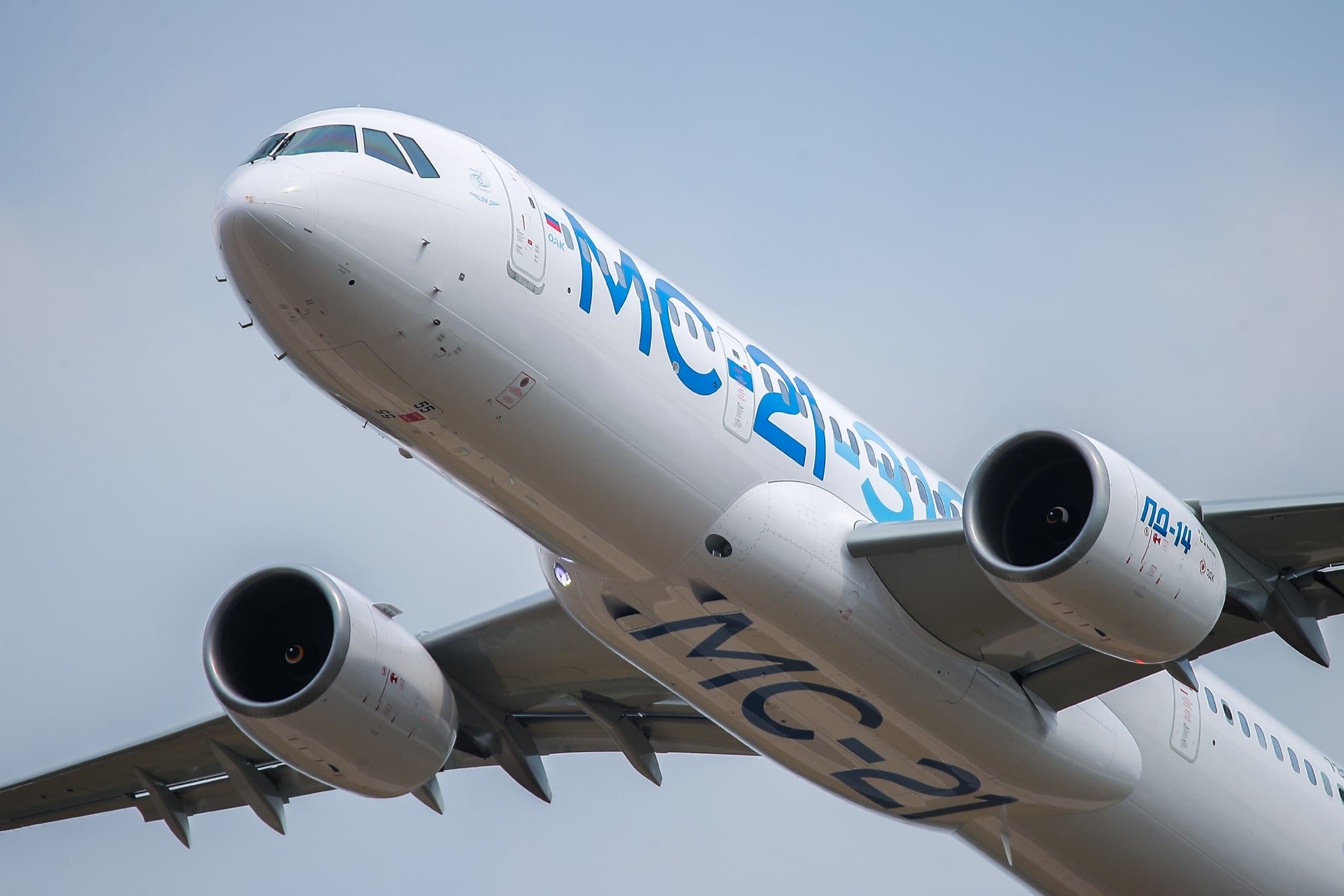
Titanium alloys are used to manufacture guide vanes and disks, compressor blades, bushings, and shafts. Their surface is characterized by roughness, residual stresses, waviness, work hardening, and microstructure. To obtain a high-quality coating of parts, it is necessary to optimize cutting modes.
Perm scientists investigated the influence of cutting parameters (speed, feed, depth) on the characteristics of the surface layer of Ti-6Al-4V alloy samples. According to Mikhail Pesin, Doctor of Technical Sciences, for an alloy with an ultrafine-grained structure, roughness decreases with a 1.5-fold increase in cutting speed, and for an alloy with a coarse-grained structure, it decreases.
As a result, new titanium alloys after turning have better roughness, noise and vibration performance, and a more favorable nature of residual stresses and work hardening in the surface layer.
Read more on the topic:
Improved aircraft gas turbine engine control system in Perm
Russian Il-114-300 received a new livery: unique shots of the liner update