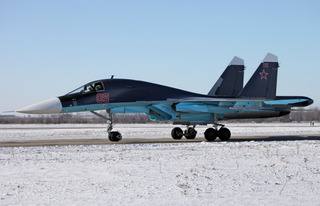
Specialists from the Kazan National Research Technical University named after A. N. Tupolev (KAI) have created a new porous geopolymer insulation material with a density of less than 300 kg/m³, designed for use in the aviation and shipbuilding industries. The development aims to eliminate the key disadvantage of existing geopolymer foams - the instability of the cellular structure.
Metakaolin, containing 52% SiO₂ and over 42% Al₂O₃, was used as the main raw material. A sodium silicate solution was used as an alkaline activator, azodicarbonamide acted as a blowing agent, and gum arabic, a natural water-soluble polymer that is heat-resistant up to 250 °C, provided foam stabilization.
The researchers introduced a two-stage heat treatment regime: preliminary foaming at 30 °C for 10-15 minutes and main foaming at 220 °C for 20-30 minutes. This approach made it possible to achieve a uniform fine-celled structure and improved mechanical properties while maintaining a low density.
Sandwich panels with carbon composite and mica plastic cladding, reinforced with aluminophosphate matrices, were made on the basis of the resulting foam material. The material demonstrates high fire resistance, water resistance, and compatibility with modern requirements for lightweight structures in aircraft construction.
Read more materials on the topic:
- New technology to reduce noise in passenger aircraft cabins is being tested by MAI engineers
- The latest laminar flow air intake for the PD-14 engine was developed by Russian engineers at VASO
- Three-engine aircraft TR-300 developed by a designer from Yeysk
Never miss our newsAdd this site to your preferred sources to see us more oftenAdd on Google