Translated with AI from the Russian original.
In 2026, the Russian aviation industry will face two key challenges: a gradual reduction in carrying capacity due to an aging fleet and a decrease in effective demand amid falling real incomes. Despite the resilience demonstrated in 2025 (passenger traffic decreased by only 2.5% in nine months), the outlook for the next year looks tense.
Most of the aircraft in operation today were delivered before 2022. Their age makes it difficult to maintain airworthiness, especially with limited access to original components and service. According to Oleg Panteleev, Executive Director of the AviaPort agency, in 2026airlines will not be able to maintain the same amount of flight hours. The fleet will shrink, and maintenance will require more and more time and resources.
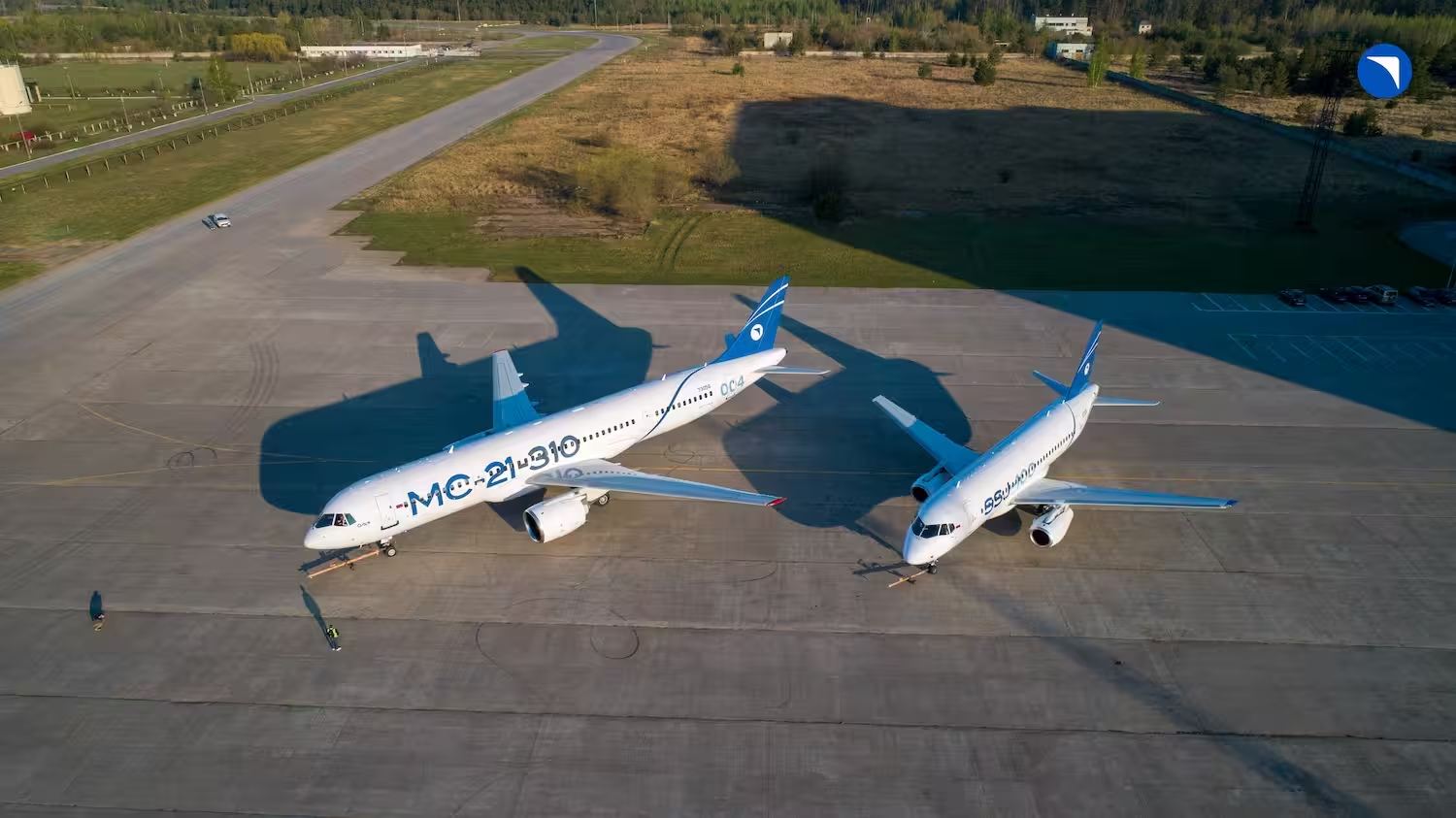
Deliveries ofnew Russian aircraft, including the MC-21 and Superjet 100, will not compensate for retirements. Even with the launch of serial deliveries, these models will occupy a small share of the total fleet and initially fly less than mastered foreign counterparts.
Some carriers, including Aeroflot,have increased their own engineering capacity. By the end of 2025, the company launched new facilities for the repair of aircraft engines.
The main commercial risk of 2026 is a decrease in the solvency of the population. As Panteleev noted, airlines previouslysuccessfully shifted the increase in costs to passengers, while incomes grew faster than inflation. Now the situation is changing: the proportion of citizens who can afford flights is decreasing.
In response, carriers are likely to either maintain prices at the current level or selectively reduce them to maintain load. However, if cost pressures persist - especially against the background of rising airport charges and the cost of routine maintenance - a reduction in supply is more likely, especially in the off-season.
2026 will be a year of strategic consolidation for Russian aviation. The industry will continue to operate in an environment of resource scarcity, but without sharp collapses. The main tasks are to maintainflight safety, minimize losses from the aging fleet, and adapt tariff policy to the new economic reality.
Read more on the topic:
- Russia is preparing for serial deliveries of MC-21, SJ-100 and Il-114-300
- "Aviastar" will double the production rate of Il-76MD-90A
- The newest air intake with laminar flow for the PD-14 engine was developed by Russian engineers VASO
Never miss our newsAdd this site to your preferred sources to see us more oftenAdd on Google

















