The Moscow State University of Geodesy and Cartography (MIIGAiK) has created a neural network for tracking cloud cover and monitoring atmospheric phenomena, the university's press service reported.

The neural network weather forecaster is based on artificial intelligence (AI) algorithms.
The set of technical and technological solutions developed at MIIGAiK made it possible to quickly and automatically determine the cloud cover parameters (height of the lower cloud boundary, shape, type, and variety of clouds) necessary for providing meteorological information to participants in UAV competitions, as well as the occurrence of atmospheric phenomena such as haze, fog, and rain.
Airports in several regions of Russia have expressed interest in testing the system. Experts emphasized that the new development surpasses foreign counterparts.
Earlier, www1.ru reported that a new complex for monitoring weather and ice in the Arctic has been tested.
Read more on the topic:
"Scenarios are not defined": The Sun is increasing flare activity after a month of calm
A system for rapid detection of emergencies based on AI has been developed in St. Petersburg
Now on home

University specialists have created a patented complex for automating industrial processes
UEC Development Will Ensure Operation of Digital Control System Even in Case of Complete Power Loss
The possibility of expanding production through additional sites is being considered
The company will provide favorable terms and attract government funding
A system for controlling falls onto the tracks will be launched at the Pechatniki metro station
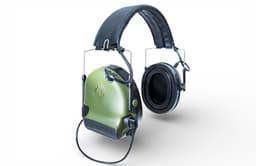
The development of the "Octava" plant was submitted for testing
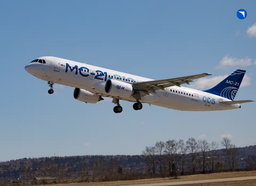
S7 Group's main shareholder did not rule out the return of low-cost airlines after the aircraft are released

The car has a warranty of 3 years or 100 thousand km
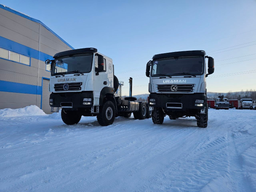
The models are equipped with WEICHAI engines with a capacity of 300 to 430 hp

Irkutsk City Hall has issued a permit to PJSC Yakovlev for the construction of the second stage of the logistics center
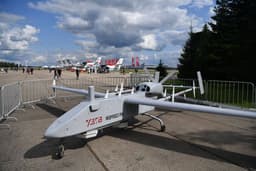
Ural engineers have expanded the combat capabilities of the reconnaissance and strike complex
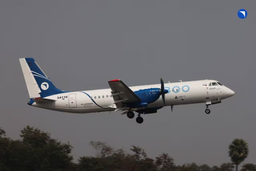
Board No. 54116 went for testing in Yakutia