As stated by Russian Prime Minister Mikhail Mishustin at the government's strategic session on the national project "New Materials and Chemistry," which includes this federal project, Russia has been actively developing its chemical complex since 2020. Compared to 2020 figures, the production volume of low-tonnage and medium-tonnage chemical products in the country increased by 26.1% in 2023. Three production projects have been launched, including enterprises for the production of hydrogen peroxide and additives for polymers, contributing to economic development.
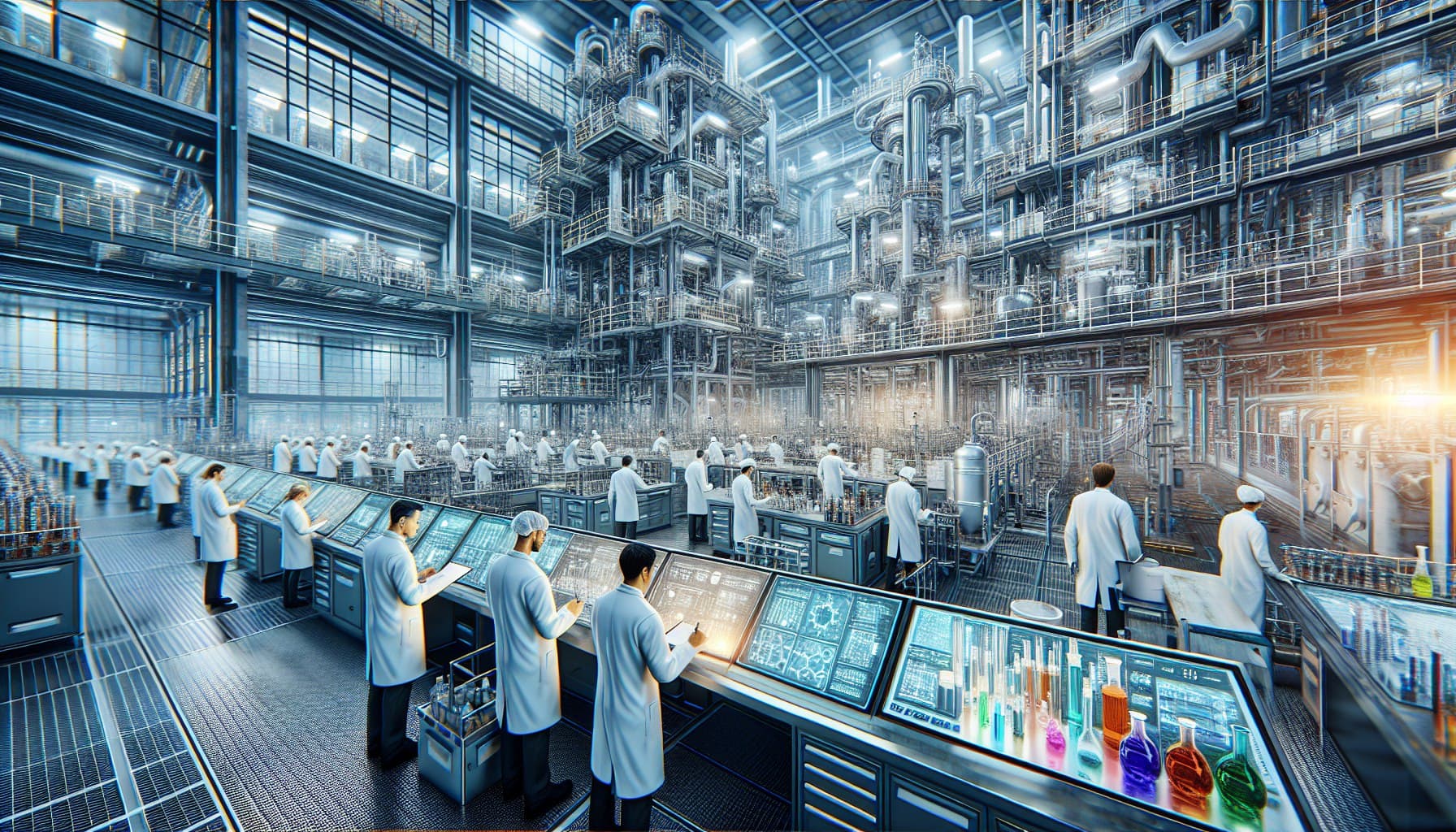
In the first five months of 2024, the industrial volumes of the chemical complex grew by another 6.4%. This growth was made possible by state support: enterprises can count on subsidizing expenses for research and development in modern technologies, and on covering part of the costs of paying interest on loans. However, this is not the limit: by 2030, Russia will launch dozens of new productions related to the chemical sector.
The basic federal project within the national project will be "Development of Chemical Production." By the end of the decade, dozens of new technological chains and over 150 productions will be created. Entire ecosystems of development will be formed based on federal centers of competence. This, among other things, will help support, for example, single-industry towns. One of them should appear in Usolye-Sibirskoye.
Also, the federal project "Development of Production of Composite Materials" has been prepared. Under this project, the country will develop and implement about two dozen promising products. In addition to working in laboratories to boost the economy, Russians will also have to more actively develop mineral resources and develop the processing industry.
Within the framework of another federal project, we will focus our geological exploration on the search for rare and rare earth metals and other raw materials for the economy. The head of state pointed out the need for this. We will launch investment projects that provide a path from raw materials to high-tech goods. We will create over 60 products. And we still need to put more than 15 new productions into operation.
Mishustin also touched upon the need to increase human resources for the implementation of these national projects. In addition to the constant updating of educational programs, in the chemical industry and the field of new materials, it is necessary, according to him, to popularize mentoring: it has already "proven itself well in all sectors of the economy today, especially in production".
Read materials on the topic:
The largest lithium deposit in Russia is preparing for development
New materials for Russian engines, turbines and storage devices created at RTU MIREA