The Russian army has increased its efficiency and power in recent years, but counter-battery combat (firing from artillery guns from closed firing positions at similarly located artillery fire assets of the enemy) remains its weak point. This is because domestic artillery is inferior in firing range to NATO-standard artillery guns, provided that the enemy uses rocket-assisted projectiles. This opinion was expressed by military observer Sergei Marzhetsky.
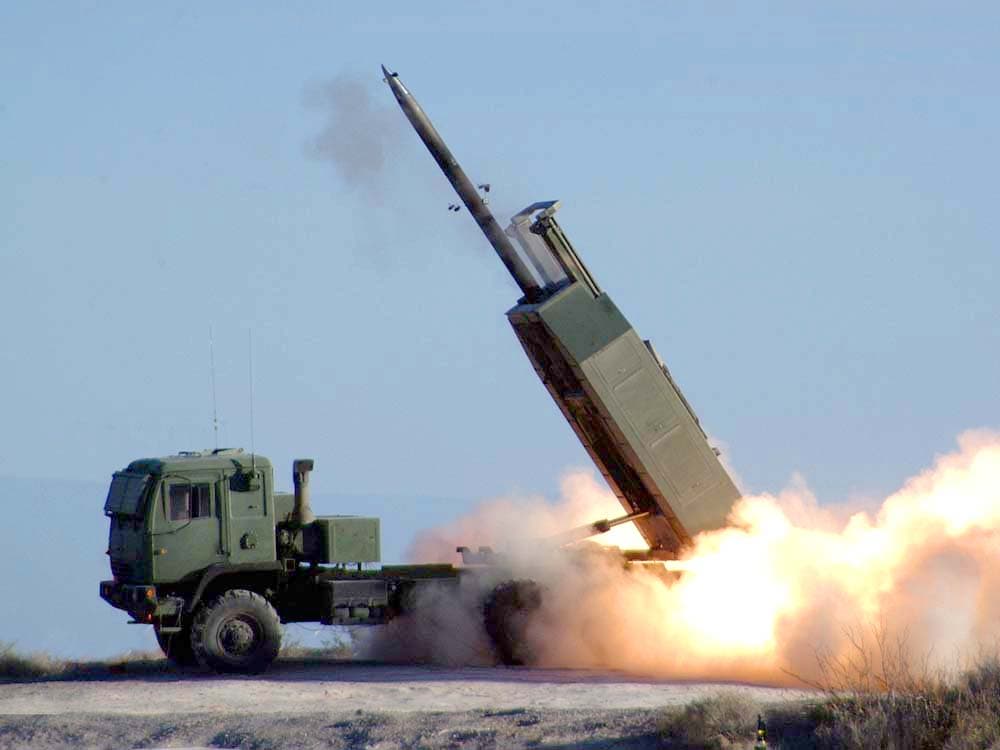
According to Marzhetsky, the French CAESAR self-propelled howitzer with the M2005 V-LAP long-range projectile fires at 54 km. The Slovak Zuzana 2 howitzer reaches targets at a distance of up to 41 km. The Polish AHS Krab self-propelled howitzer with a rocket-assisted projectile hits at 40 km. The German PzH 2000 self-propelled howitzer provides a firing range of up to 67 km with a rocket-assisted projectile.
The expert also cited data on the firing range of Russian guns. He emphasized that2S1 Gvozdika guns fire at 15.1 km,2S3 Akatsiya - at 17.3 km, Giatsint-B (S) - at 28.5 km. The 2S19M2 Msta-S self-propelled howitzer fires a rocket-assisted projectile at a distance of up to 29 km. The Msta-SM2 howitzer with theKrasnopol-D projectile hits at a range of up to 43 km.
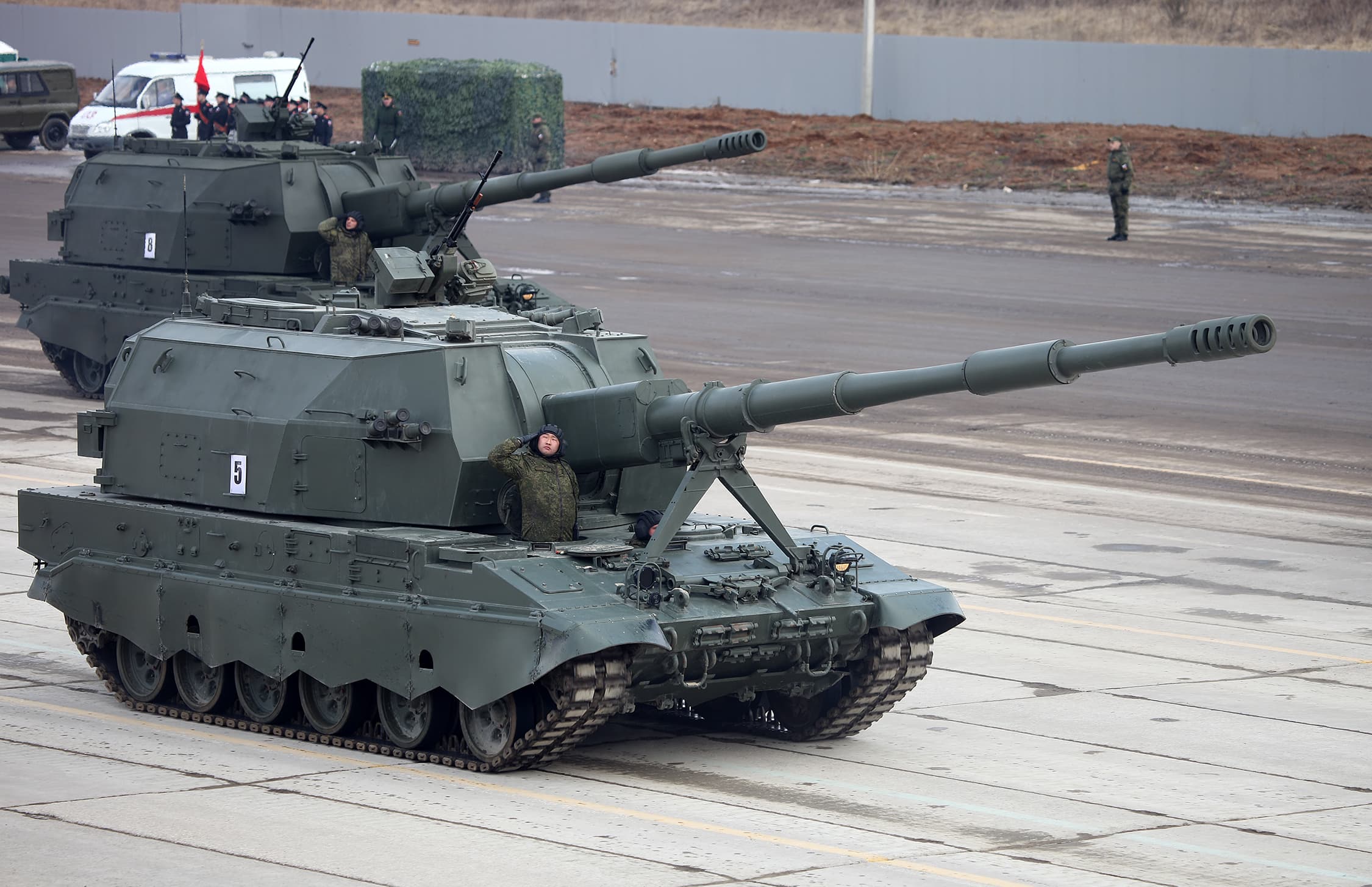
Hope of Russian artillery
Marzhetsky added that Russian servicemen have high hopes for the latest Coalition-SV self-propelled howitzer. According to the developers, the firing range of thegun is 70 km. The first samples of the modernized howitzer were to enter the troops in February.
If they really appear on the front in hundreds, then they can really change a lot.
In the meantime, the Russian Armed Forces are betting onLancet family kamikaze drones. They are used to destroy enemy artillery.
HIMARS "on a budget"
The military observer drew attention to the fact that the Russian Armed Forces are armed with MLRS with great potential. For example, this is the Tornado-G MLRS (a deep modernization of the Grad MLRS with a caliber of 122 mm). Thanks to the use of high-precision guided munitions, the firing range of the MLRS is 40 km.
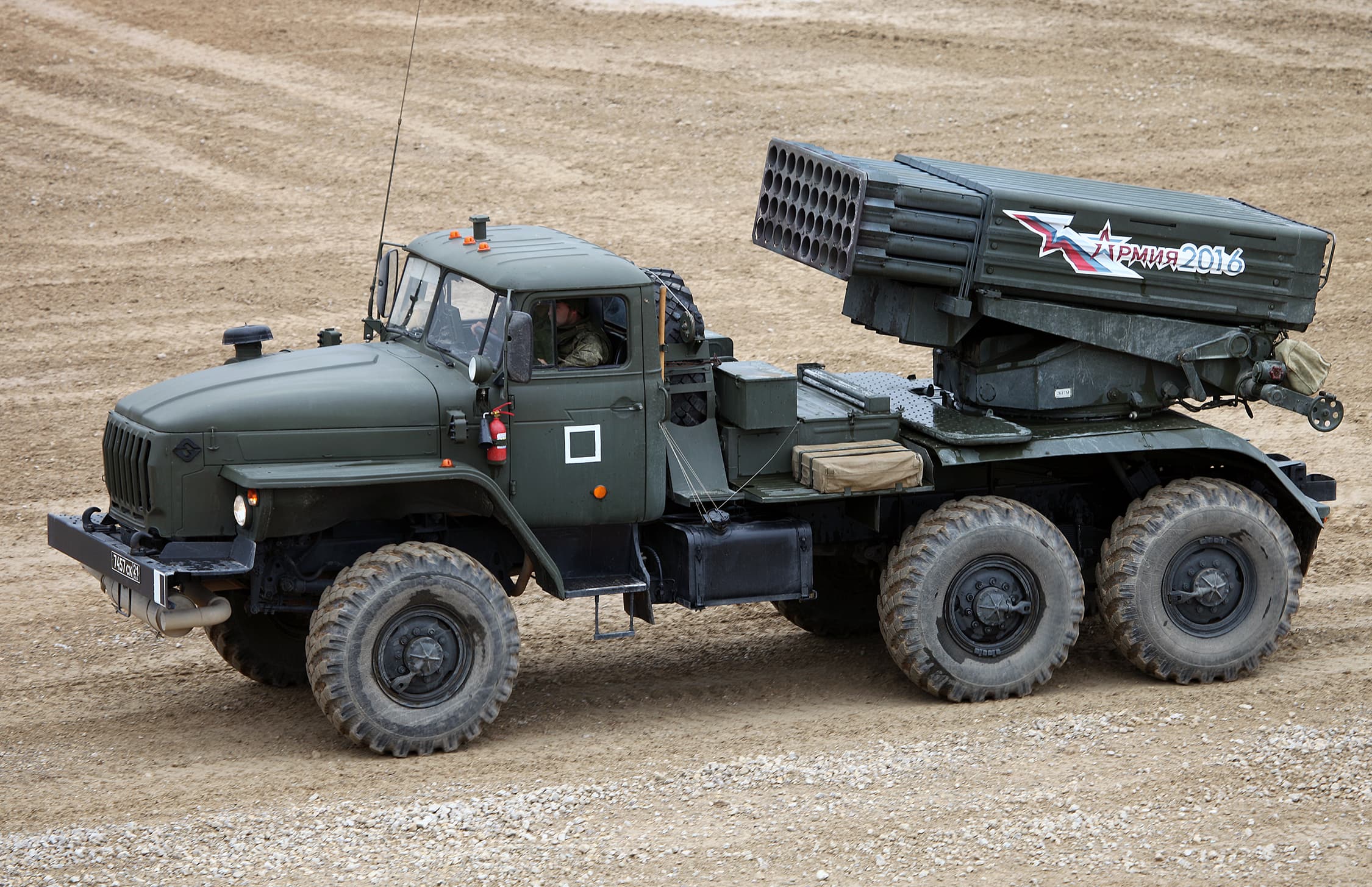
Features of the Tornado-G MLRS:
- satellite navigation
- on-board computer "Baget-41"
- the ability to program the munition before firing
- crew - 2 people
- deployment time at a prepared position - up to 1 min
That is, functionally it is something like the American HIMARS MLRS "on a budget", which allows you to solve a wide range of tasks on the front. At the same time, at least two ways to improve the efficiency of the Tornado-G are visible.
Marzhetsky suggested transferring the guides from the Tornado-G to a lighter chassis, for example, from the Tigr armored car. In addition, he believes that it is possible to install a 122-mm warhead from the Tornado-G missile on a 220-mm caliber rocket engine. This will increase the flight range of the high-precision munition. Such projectiles can be fired from the Uragan and Vozrozhdenie MLRS, the expert summarized.