Translated with AI from the Russian original.
The "Algometry" experiment, related to the study of the pain threshold in astronauts, continues on the ISS. During interplanetary flights, astronauts cannot be sent to a hospital on Earth; they will need space medical care. In order to provide it qualitatively, information about the pain threshold is very valuable: in space, it becomes higher.
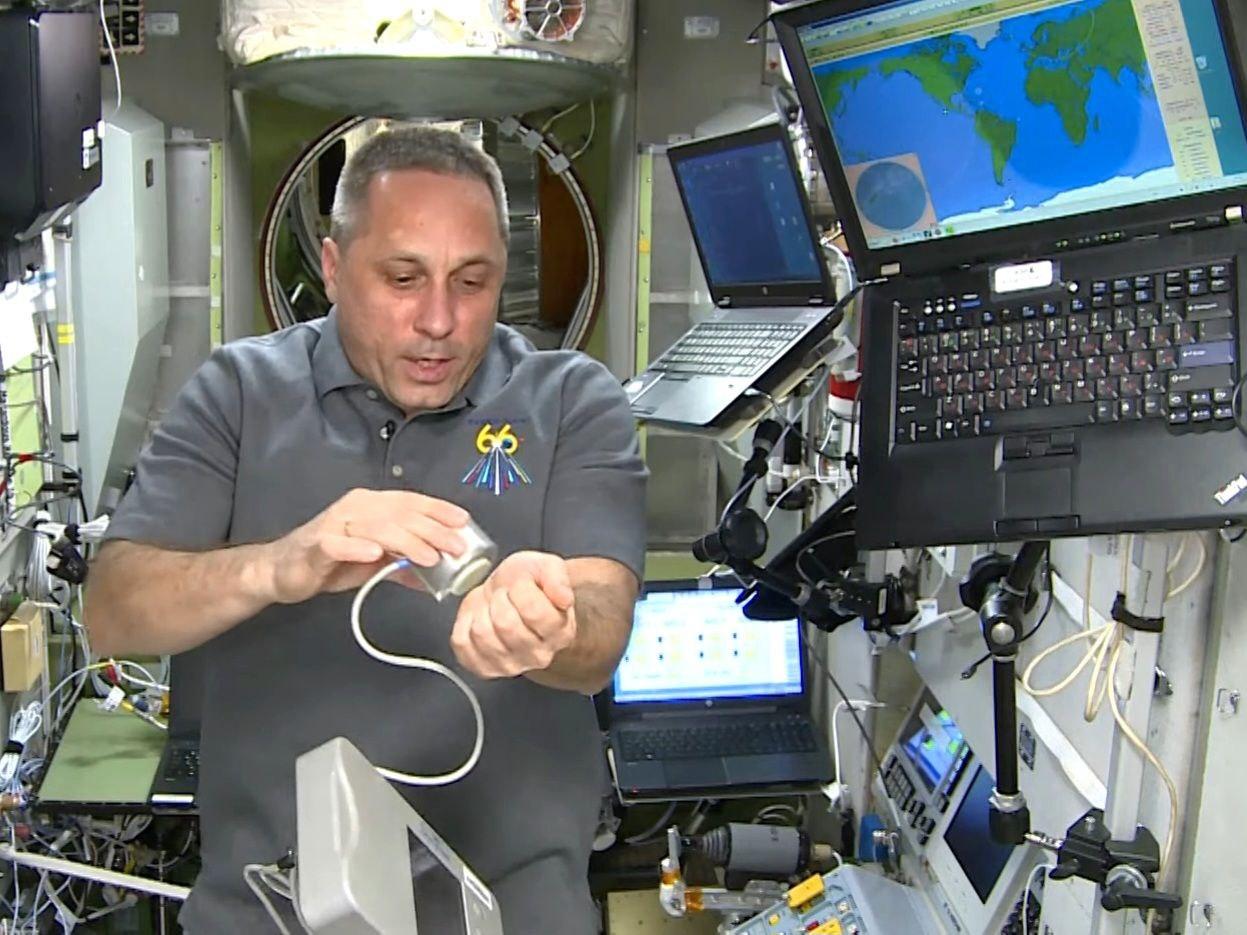
Many factors influence this. In particular, in zero gravity, blood and other fluids are distributed differently throughout the body, and the central nervous system begins to change during a long stay in space. The level of hormones adrenaline and cortisol in the blood can also affect the pain threshold. Stress and adaptation to weightlessness "push" pain into the background and a person simply does not feel it, does not recognize it.
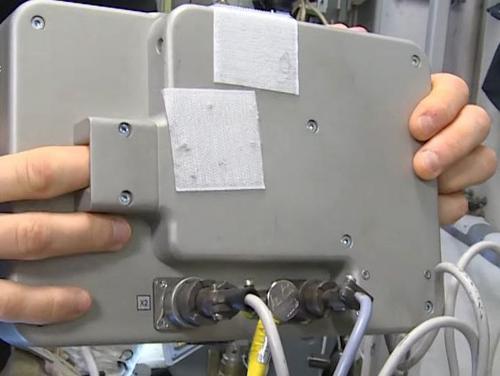
A special device is used for the experiment - an algometer. Inside the device there is a small pin. It presses on the finger while the astronaut holds the button on the device, and the button can only be released when the astronaut feels pain.
Another sensor of the device is a small plate that is applied to the forearm and gradually heated until it begins to cause pain. The device records the pain threshold indicators, and they are studied on Earth.
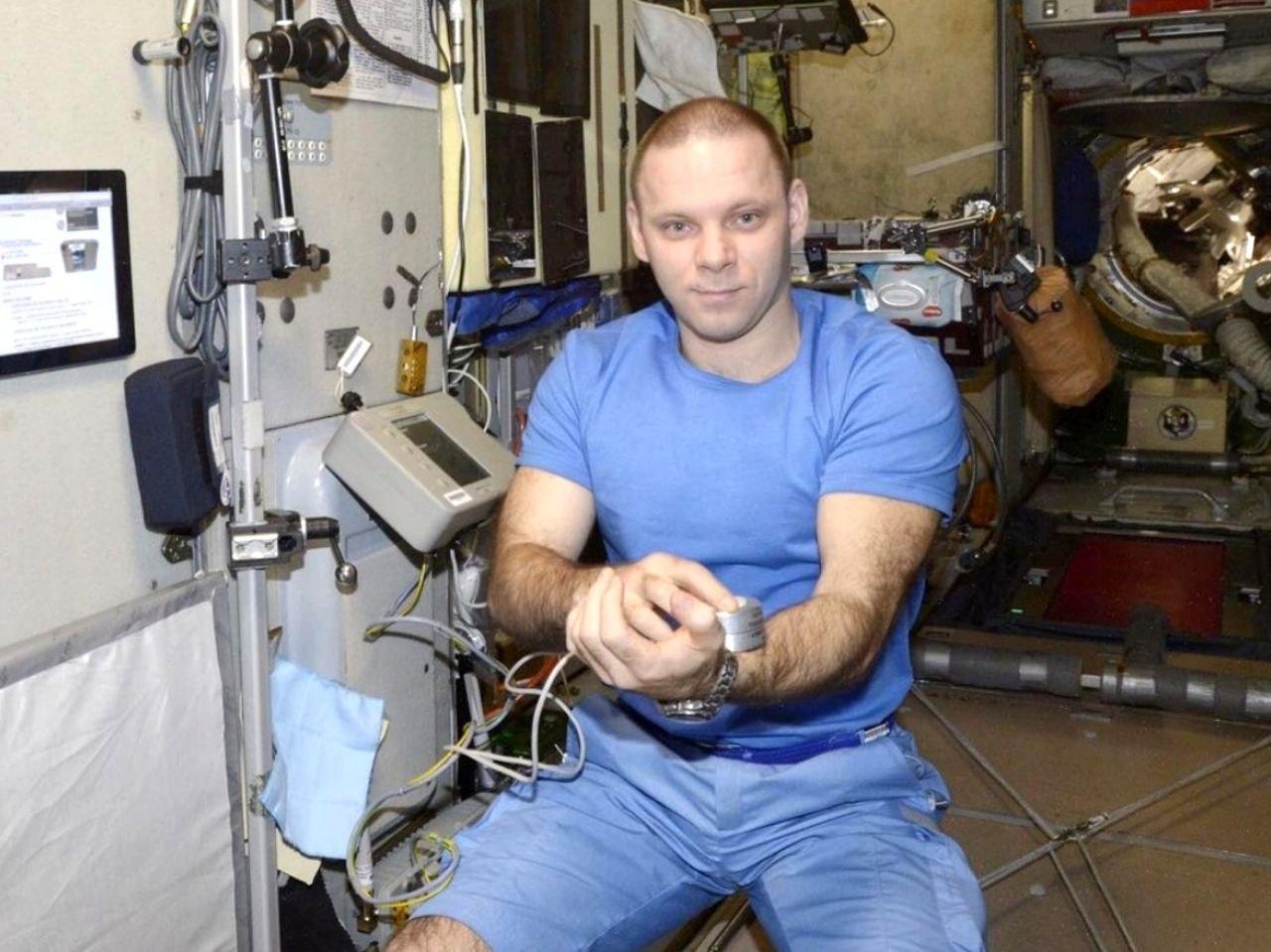
"Algometry" has been carried out since the spring of 2015, and all Russian cosmonauts who arrive at the ISS participate in the experiment. According to RSC Energia, this will be one of the longest Russian space experiments.
Read materials on the topic:
ISS changed its orbit due to the Russian Soyuz MS-26 spacecraft
A Russian hyperspectrometer arrived at the ISS: what is it and what will it do
Russian space security system "Milky Way": what is known about it
Never miss our newsAdd this site to your preferred sources to see us more oftenAdd on Google

















