Students at MIPT have developed 3D-printed hand prostheses that will be much cheaper than existing counterparts. The cost of a forearm prosthesis averages 150 thousand rubles, while the 3D model developed by students will cost 90 thousand. With mass production, the cost of the prosthesis will decrease to 50 thousand rubles.
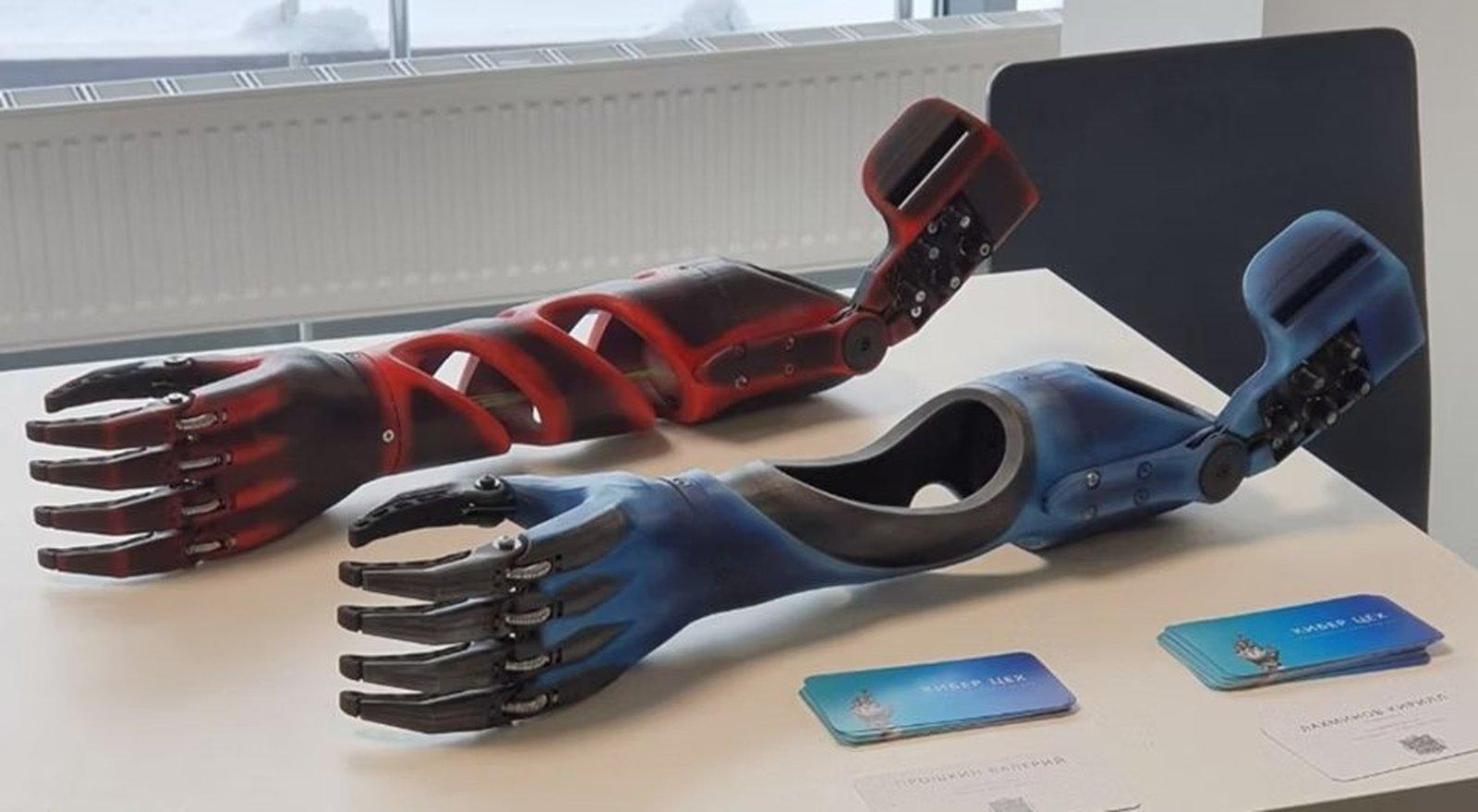
The principle of operation of the new prostheses is based on cable tension. The patient will be able to control them with the surviving joint. The absence of electrical components makes the prostheses lightweight and comfortable to use.
The stump is inserted into the socket and the traction lever is fixed on the forearm. When the joint - wrist or elbow - is flexed, a grip occurs.
The prosthesis developed by the students will allow holding heavy and light objects, as well as carrying things. The materials used are safe and suitable for long-term wear. The prostheses have been successfully tested not only in the MIPT laboratory, but also in a prosthetic clinic.
Currently, it takes students at least seven days to create a 3D-printed prosthesis. Ordinary traction prostheses take about a month to create. By the end of the year, MIPT plans to produce one prosthesis per day.
Read more on the topic:
A bionic ear prosthesis has been developed in Perm
Prostheses that can "grow" with the child have appeared in Russia
Never miss our newsAdd this site to your preferred sources to see us more oftenAdd on Google

















