Translated with AI from the Russian original.
A new design version of the Rossa racing car (Russian Sports Cars), focused on GT2/GT3 class competitions, has been presented in Russia.
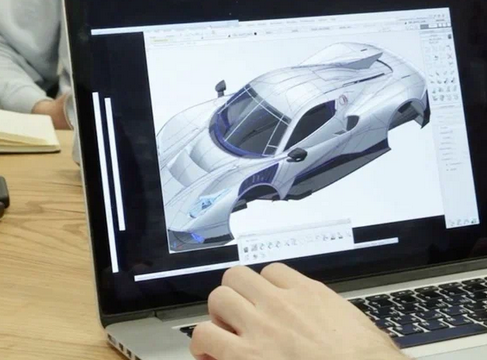
The changes affected almost the entire body, and, obviously, the internal structure, but it is not clear whether this appearance will be final. Representatives of the project did not tell Avto.ru magazine any additional details, noting that "a new design iteration is almost ready".
As can be seen in the photograph, the hood has a new row of ventilation slots in the center instead of two rows in the original version. The rear wing has been replaced with a low, almost invisible one, and the aerodynamic body kit has also changed. The mounting points for the side mirrors have been moved to the wings.
The frameless carbon fiber racing car Rossa is focused on GT2/GT3 class competitions, but it is known that it may also be allowed to drive on public roads.
The maximum speed of the Rossa is up to 380 km/h, acceleration to 100 km/h in 3.2 seconds. Inside - a 5.2-liter V10.
The car prototype was shown at the "New Product of the Year" award in 2023, its approximate cost is estimated from 500 to 800 thousand euros.
In early February of this year, photos from the laboratory of the Moscow Polytechnic University with the assembly of Rossa leaked to the Network. However, they turned out to be old and there was no sensation.
Never miss our newsAdd this site to your preferred sources to see us more oftenAdd on Google

















