Translated with AI from the Russian original.
The Su-57 and MiG-31 were developed by two different renowned domestic design bureaus. The former is a multi-role 5th-generation fighter capable of engaging air, ground, and naval targets. The latter is a heavy high-altitude interceptor designed for rapid detection and destruction of aerial targets at long distances.
Recently, an opinion emerged that the MiG-31 is capable of performing certain combat missions unattainable for the "57th". Well, "Pervy Tekhnichesky" compared the two aircraft across five key parameters.
Speed
The MiG-31 can accelerate to approximately 3000 km/h, or M=2.82. Its two D-30F6 engines develop 15,500 kgf of thrust each in afterburner.
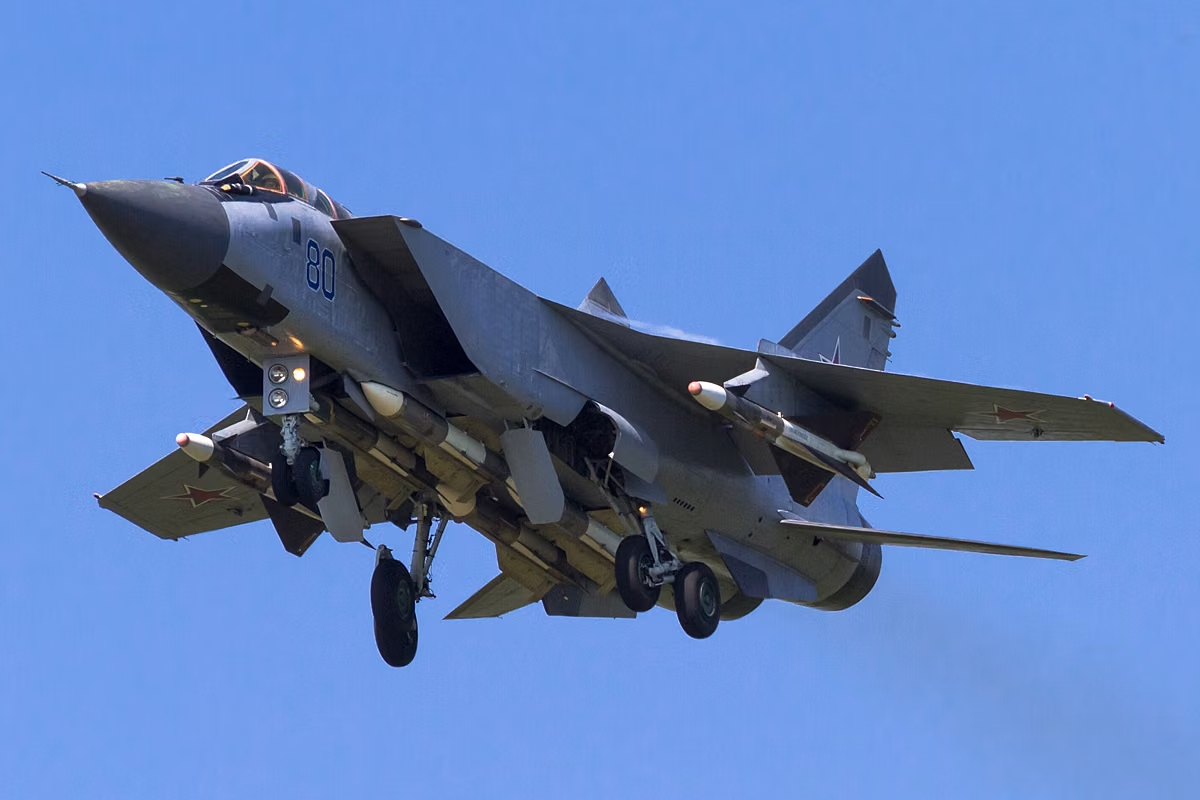
The Su-57, with AL-41F1 engines, reaches about 2600 km/h, which is approximately 400 km/h less. However, it is capable of supersonic flight, and its new engine "Izdelie 177" is undergoing tests. In this criterion, the "31st" is better.
Radar
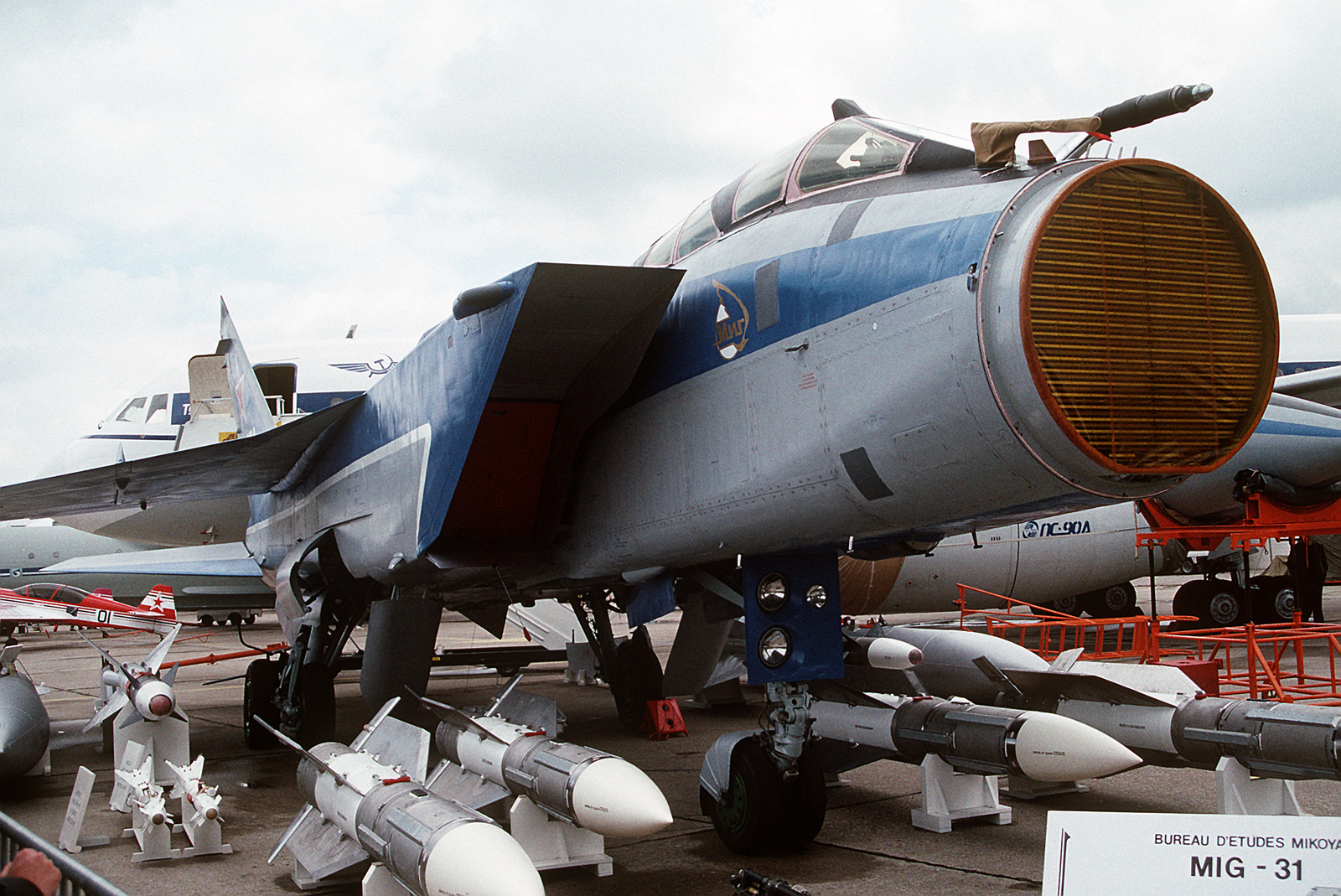
The MiG-31BM received a modernized "Zaslon-M" radar, capable of detecting aerial targets at a range of up to 320 km. The system allows simultaneous tracking of up to 24 targets and engaging up to 6.
The Su-57 uses the multi-element N036 "Belka" complex with several AESA radars: the main antenna is located in the nose, and additional arrays are in the wing leading edges. This architecture allows receiving information not only strictly along the course but also from large angles relative to the aircraft's longitudinal axis, evening the score for the "Sukhoi".
Missile Armament
The MiG-31BM gained the ability to use long-range R-37M missiles. It is the combination of "Zaslon-M" and long-range missiles that makes the interceptor particularly dangerous at long distances.
The Su-57 can also use R-37M, as well as medium-range R-77M and short-range missiles. The armament is placed in internal compartments, which helps maintain the aircraft's stealth.
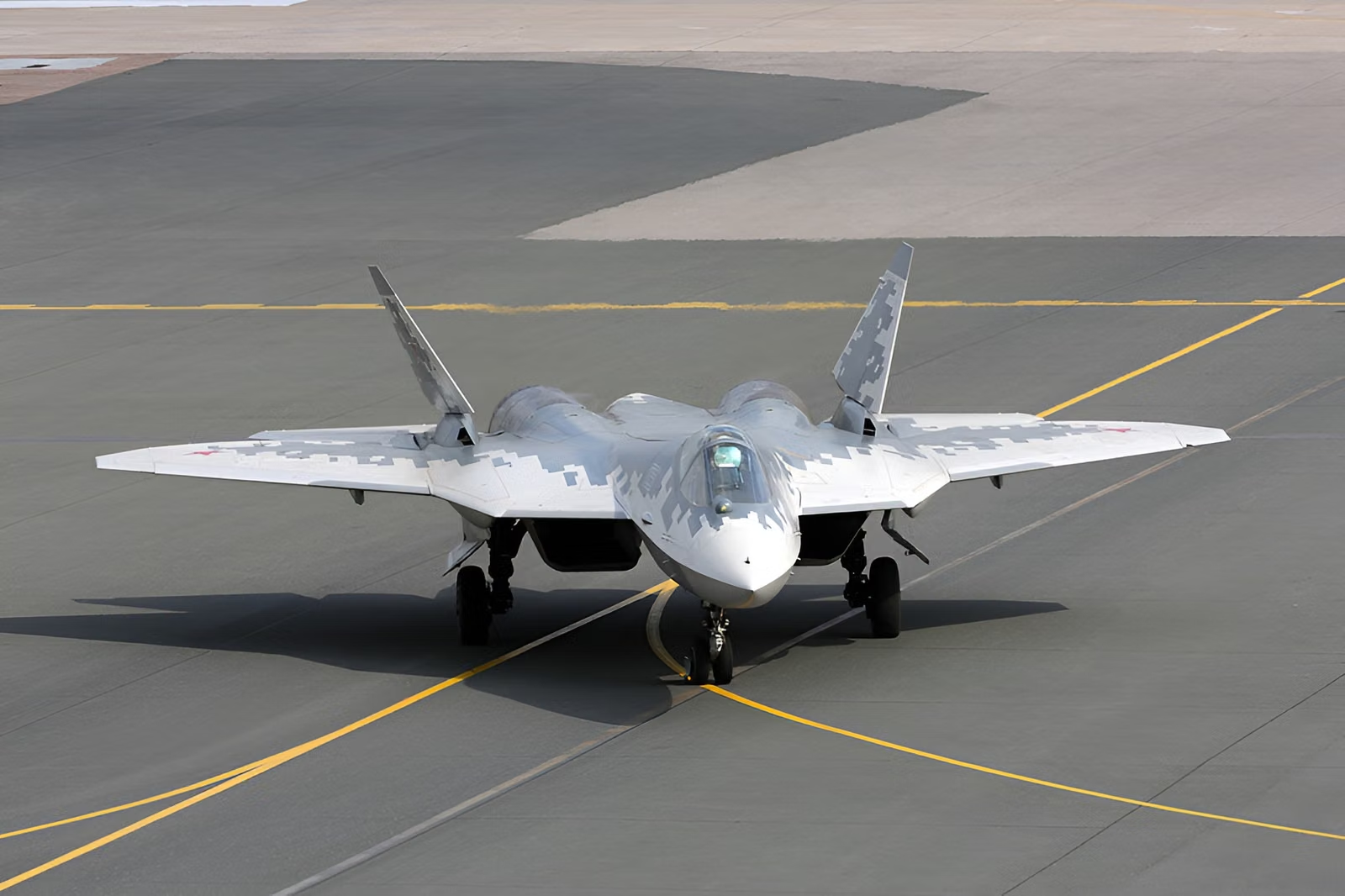
In terms of maximum range for engaging aerial targets, there is no clear advantage for one aircraft solely due to the R-37M missile, so this criterion ends in a draw.
Stealth
The MiG-31 was developed in the 1970s without considering radar cross-section reduction requirements. Its large airframe, over 22 m long, is highly visible to modern radars.
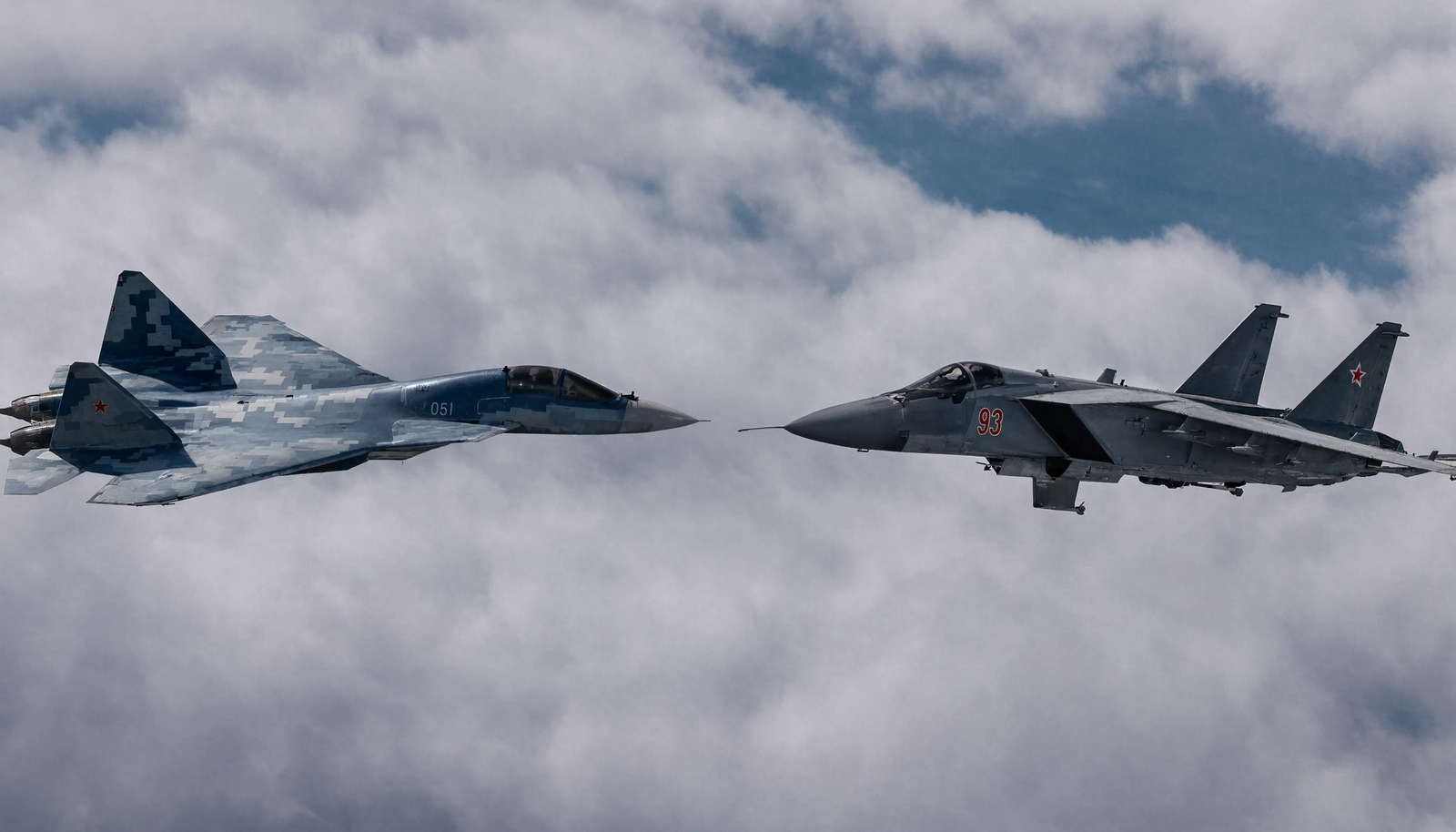
The airframe, internal weapon bays, and antenna placement of the Su-57 are designed to reduce the aircraft's visibility. This allows it to approach the enemy earlier without revealing itself as early as a classic interceptor, scoring a point for the Su-57.
Versatility
The MiG-31 primarily remains a specialized interceptor. Its strong suit is engaging aerial targets at long ranges and high altitudes.
The Su-57 was designed as a multi-role aircraft – OAK indicates its capability for use against air, ground, and even naval targets. The aircraft can use guided missiles and aerial bombs while maintaining the ability to operate in complex jamming environments, a third point in favor of the Su-57.
Final score – 3:1 in favor of the Su-57.
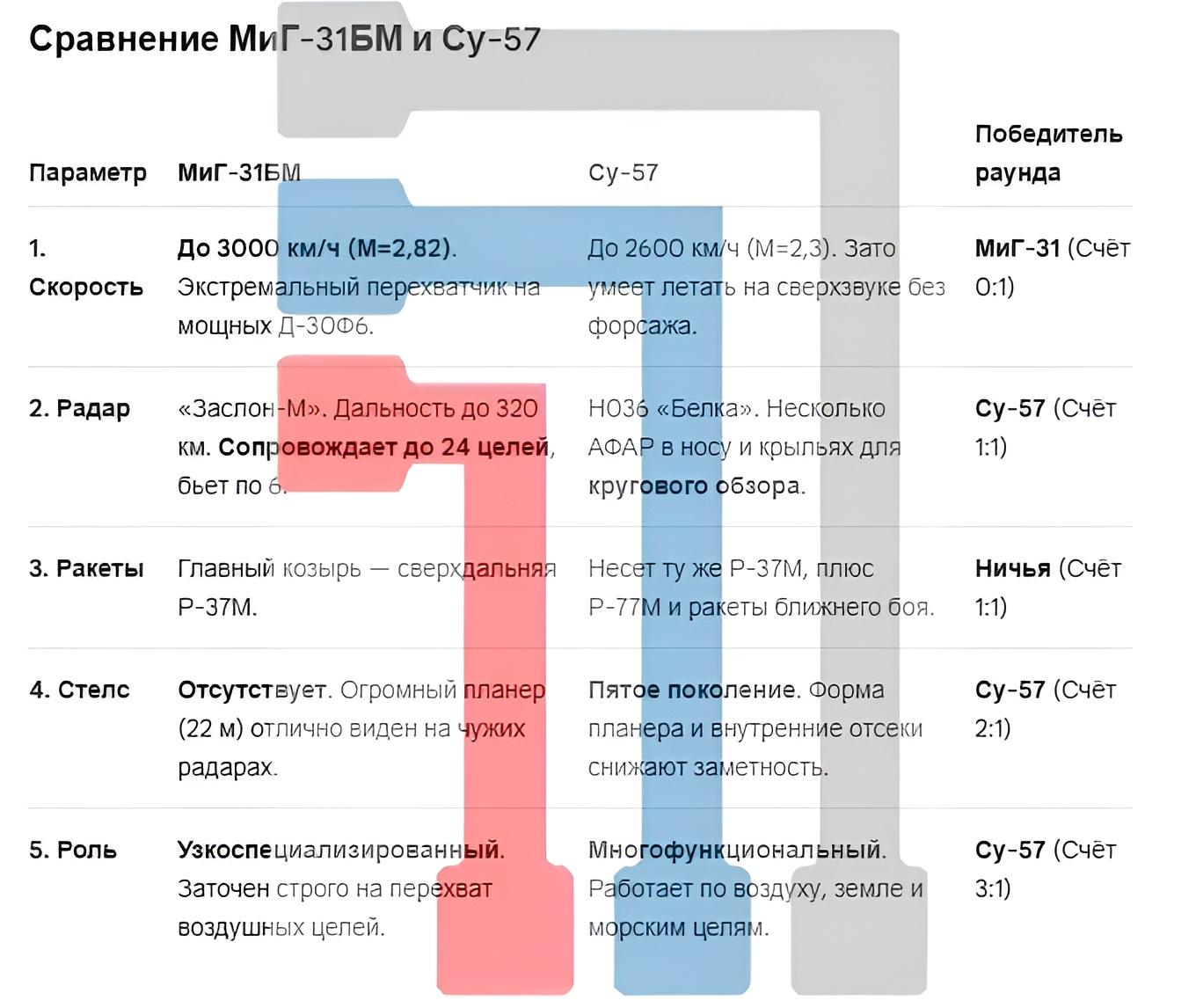
The MiG-31 maintains superiority in the main parameter for an interceptor – speed: 3000 vs. 2600 km/h. It also received the powerful "Zaslon-M" and long-range missiles.
But the Su-57 gains its advantage through stealth, multi-functionality, and a more modern architecture of onboard systems. Therefore, in a universal aerial combat, the advantage remains with the fifth-generation fighter, while the MiG-31 retains its unique niche as a high-speed long-range interceptor.
Read more on the topic:
Never miss our newsAdd this site to your preferred sources to see us more oftenAdd on Google

















