Translated with AI from the Russian original.
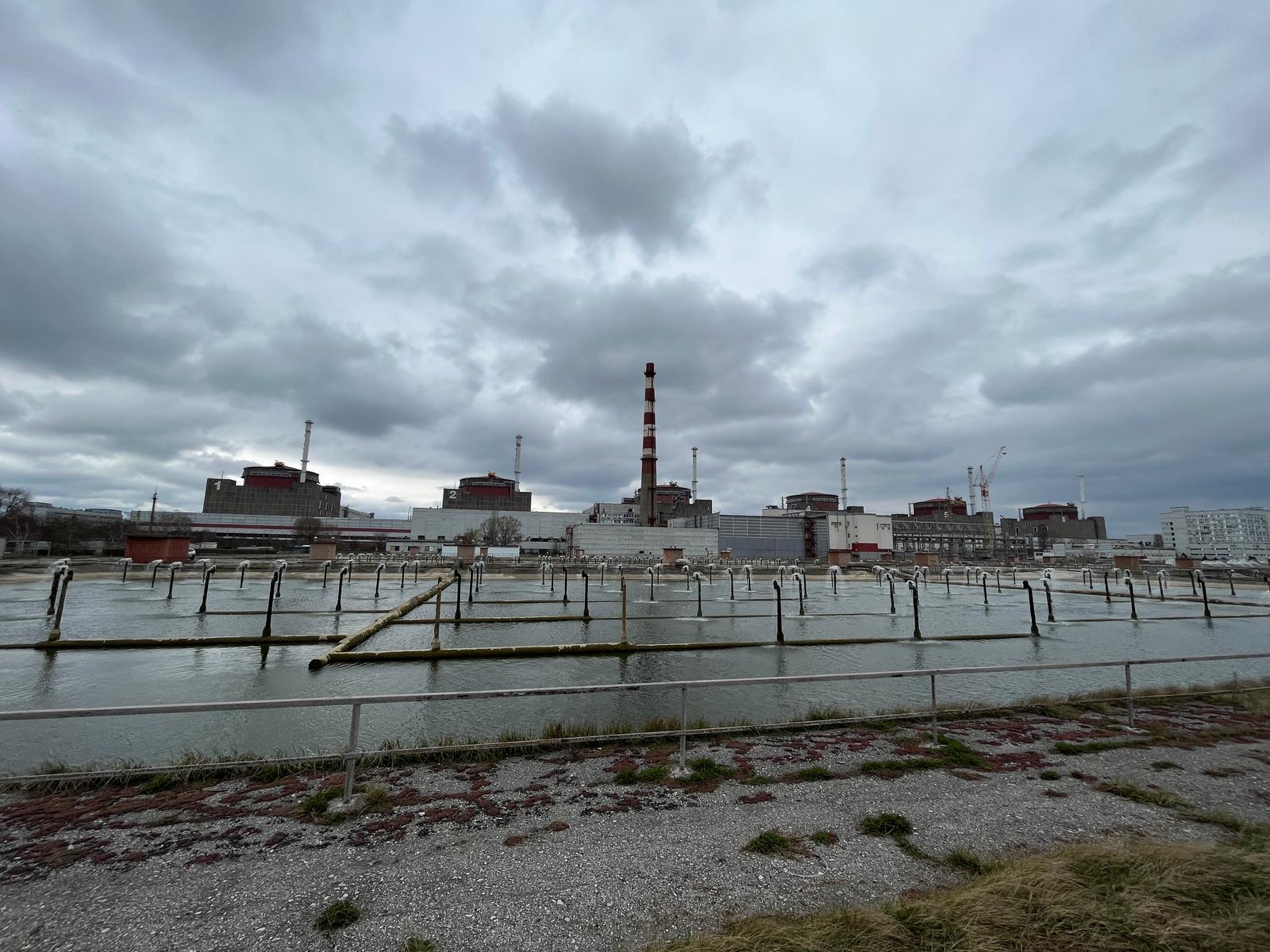
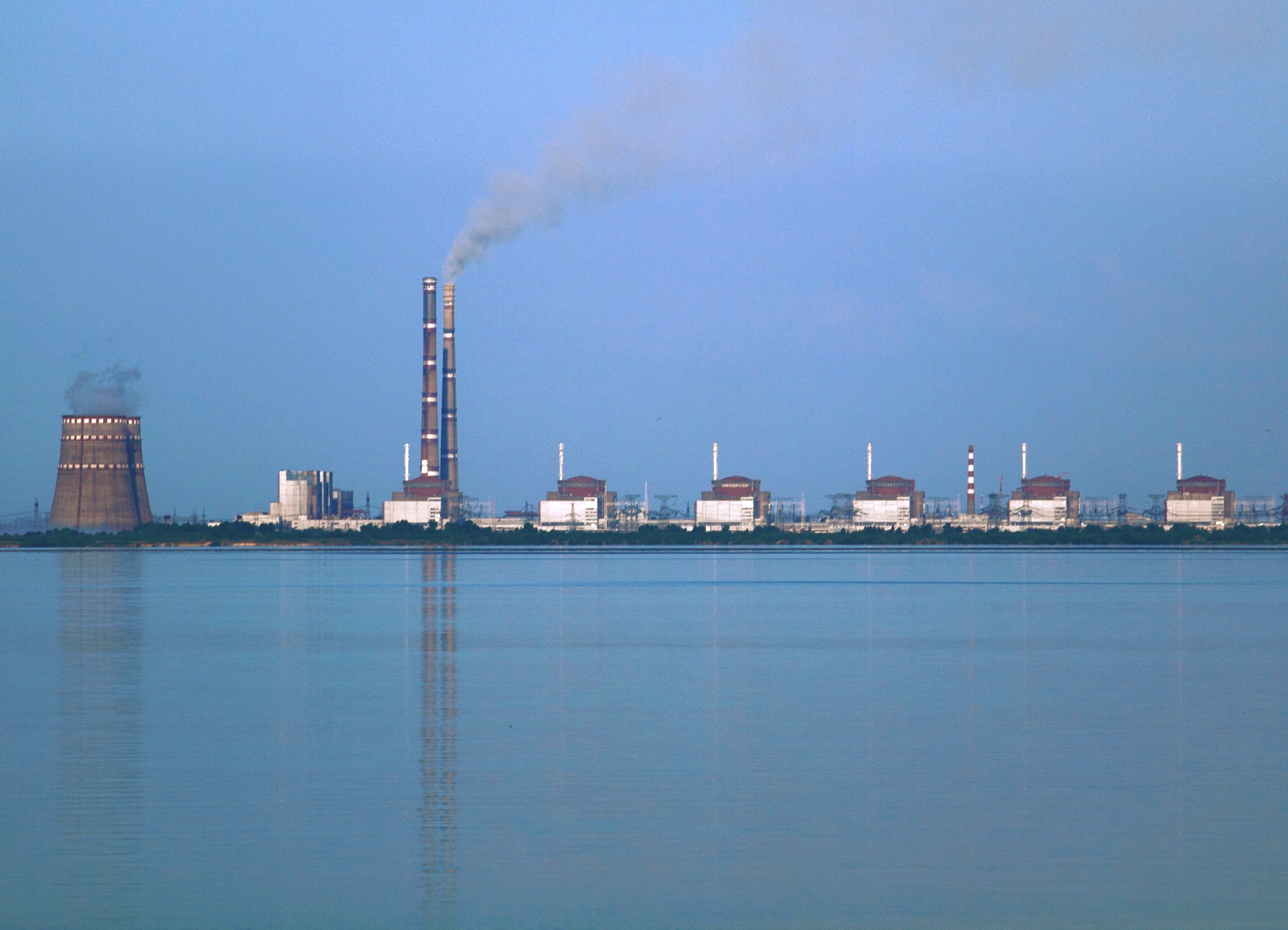
The Zaporizhzhia NPP is Europe's largest nuclear power plant by installed capacity. Six power units with VVER-1000/V-320 reactors operate on its site, with a total potential of 6000 MW.
"Pervy Tekhnichesky" explains how the NPP is structured, how many billions of kilowatt-hours it can produce, and its significance for the energy system.
Six reactors of 1000 MW each
The core of each power unit is a VVER-1000/V-320 water-water power reactor. In the reactor, high-pressure water removes heat from the core and transfers it to the second circuit via steam generators.
The resulting steam goes to the turbine, which rotates the electric generator. This scheme allows separating the radioactive primary circuit from the equipment directly generating electricity.
The V-320 project became one of the most widespread versions of the VVER-1000: 14 power units with such reactor installations were commissioned between 1984 and 1993.
Each unit has its own protective containment for the reactor compartment. The reinforced concrete cylinder has a diameter of about 45 m and a height of 54 m, topped by a spherical dome.
Up to 42 billion kWh of electricity per year
With high load on the six power units, the plant is capable of producing about 40–42 billion kWh of electricity per year. Theoretically, with all six units operating at nominal capacity, about 144 million kWh can be obtained per day.
Actual output depends on repairs and the load of individual power units. For example, in 2021, the ZNPP produced 35.46 billion kWh, which is 23.4% more than the previous year's figure.
Throughout its history, the ZNPP has cumulatively generated over 1.1 trillion kWh of electricity. This is already the scale of a national energy system: one trillion kilowatt-hours is the result of several decades of continuous operation of six large power units.
1000 MW turbine and TBB-1000 generator
Each power unit combines a V-320 reactor installation, a K-1000-60/1500-2 steam turbine, and a TBB-1000-4 turbogenerator. The thermal power of the reactor installation is about 3000 MW, from which, after converting steam energy into electricity, about 1000 MW of electrical power is obtained.
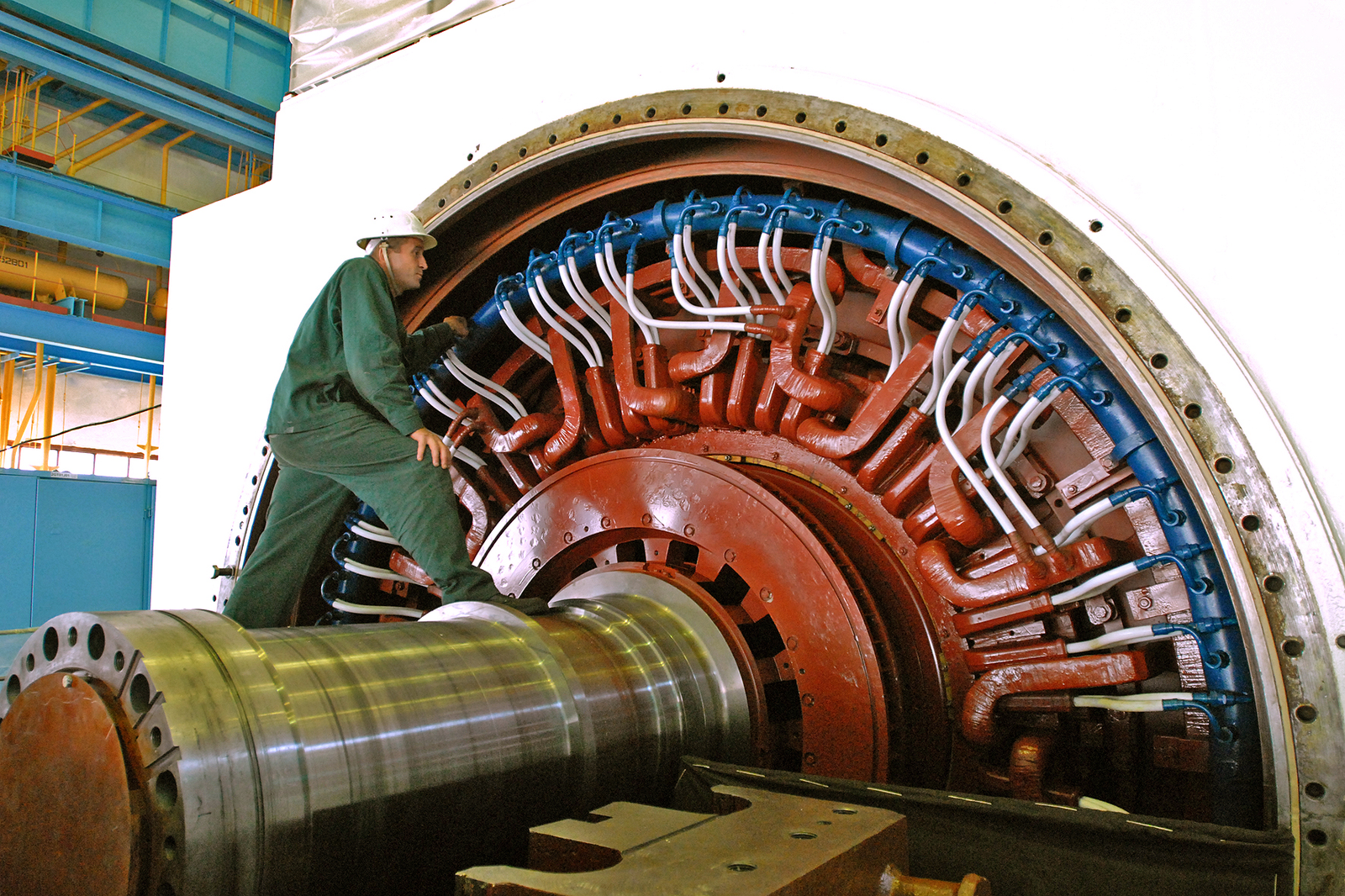
Thus, one unit can be conditionally represented as a huge heat engine: the reactor generates heat, the primary circuit transfers it to the steam generators, the steam rotates the turbine, and the generator converts mechanical energy into electrical energy.
The plant also operates a dry spent nuclear fuel storage facility. Its design capacity is 380 containers, designed to accommodate up to 9000 fuel assemblies in total.
Read more on the topic:
Never miss our newsAdd this site to your preferred sources to see us more oftenAdd on Google

















