Modern aerial combat increasingly begins long before visual contact. Victory can be determined not only by missile speed but also by which aircraft detects the enemy first.
"Pervy Tekhnichesky" has compiled a top 5 list of fighters with the longest-range onboard radar stations, based on open-source data.
5. F-35 — AN/APG-81 (USA)
The F-35 is equipped with the AN/APG-81 multi-functional radar with an active electronically scanned array (AESA). It includes approximately 1200 transmit/receive modules.
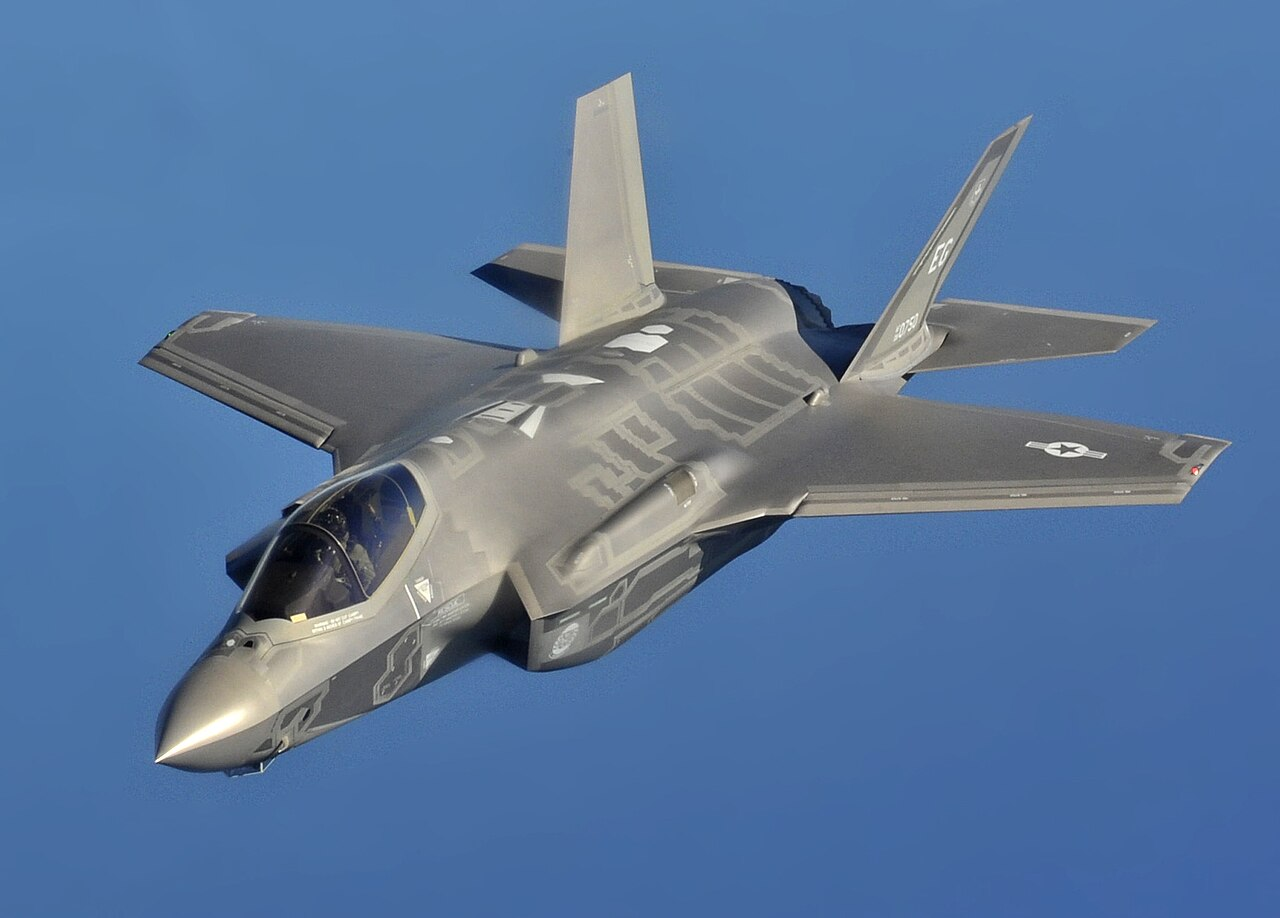
It has a detection range of 160–200 km for standard aerial targets. In addition to searching for aircraft, the APG-81 works on ground and sea targets, builds radar maps, and can participate in electronic warfare.
4. F-22 — AN/APG-77 (USA)
The AN/APG-77 radar was one of the first powerful AESAs installed on a production fighter. It includes approximately 2000 transmit/receive modules, with 1956 being the most commonly cited number.
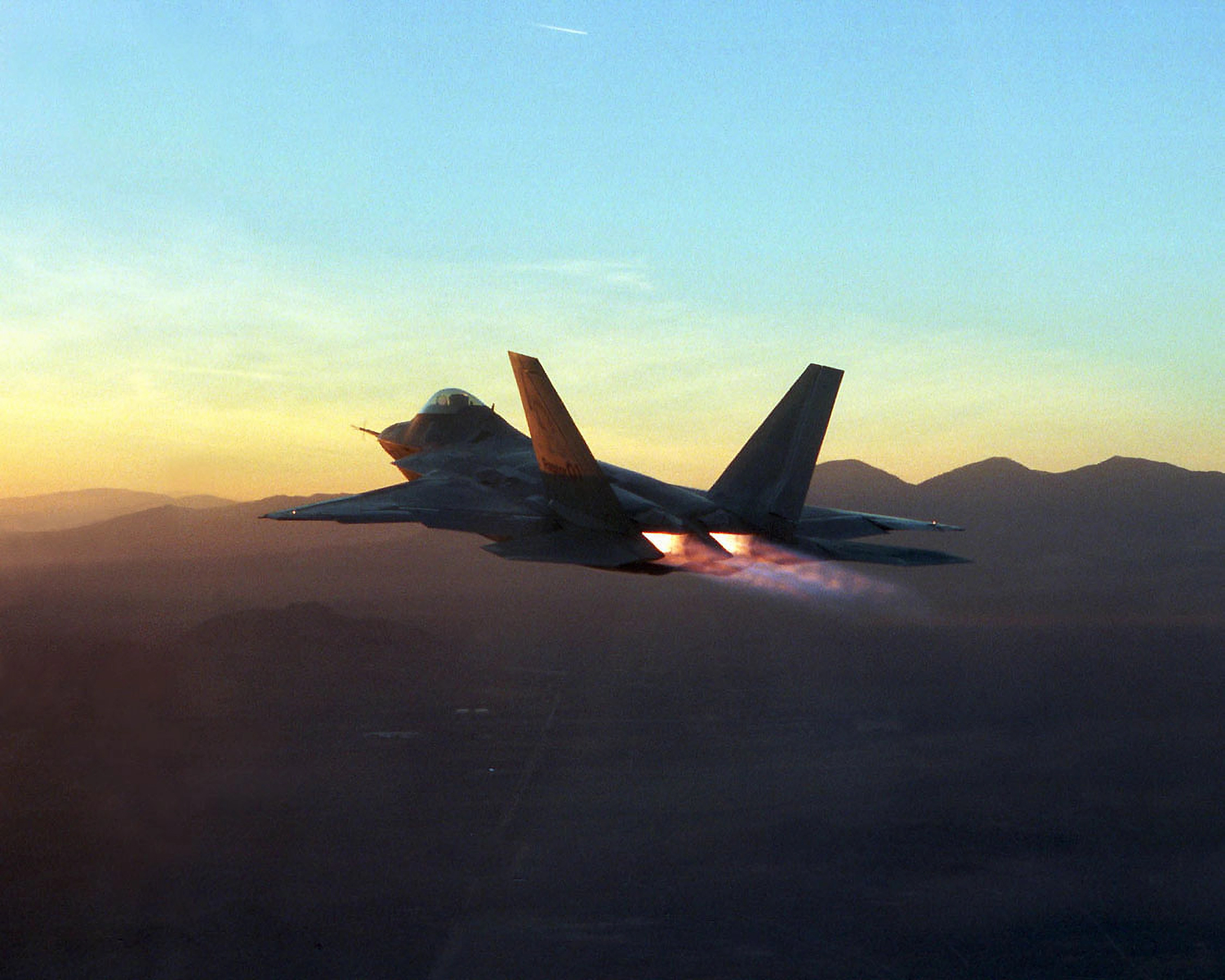
According to open data, the radar can detect a target with a 1 m² RCS at approximately 200–240 km. In low probability of intercept (LPI) mode, the range is estimated at about 193 km.
3. MiG-31BM — "Zaslon-M" (Russia)
The modernized MiG-31BM retained its enormous "Zaslon-M" radar station with an antenna diameter of about 1.1 m.
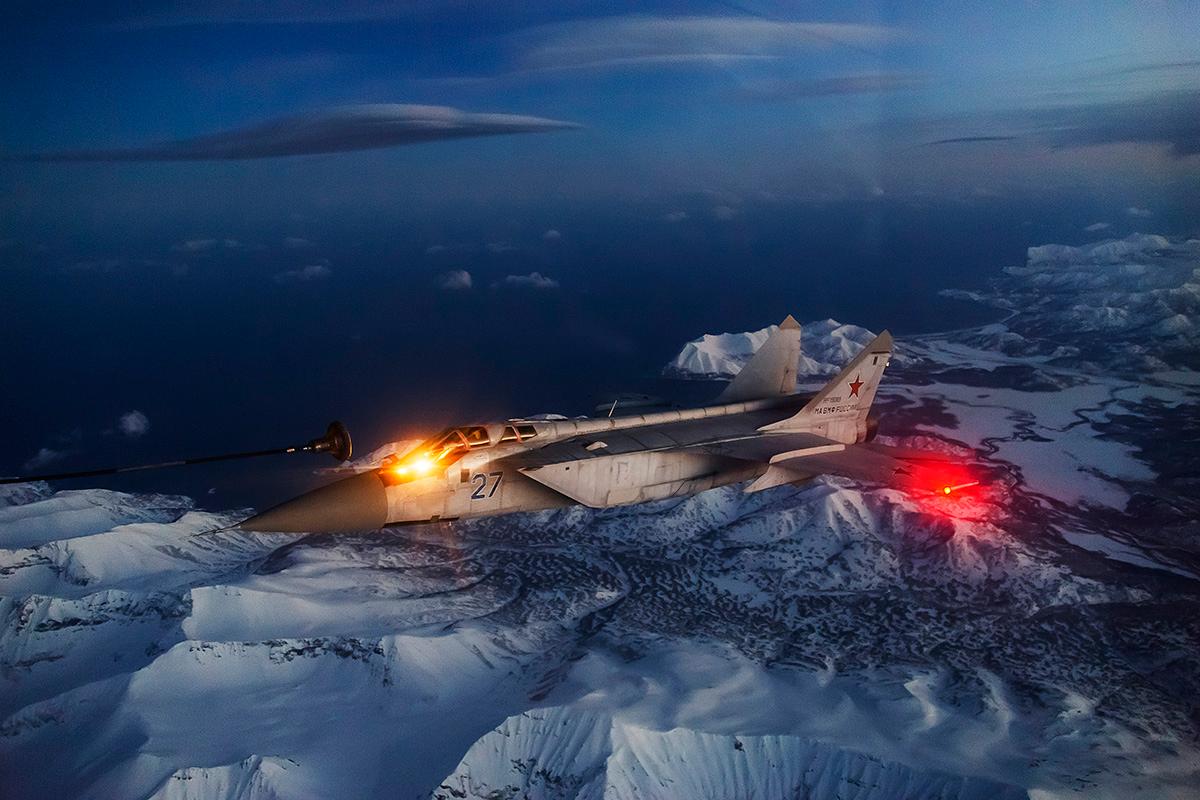
The maximum detection range for aerial targets reaches 320 km. The radar can simultaneously track up to 24 targets and engage up to 8.
For a large target with a 20 m² RCS, open data indicates a range of up to 400 km. However, the stated 320 km refers to engaging a "fighter-type" target in a wide scan sector.
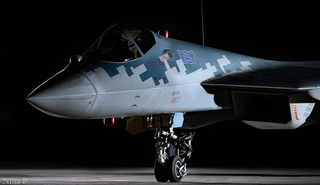
2. Su-57 — N036 "Belka" (Russia)
The fifth-generation Su-57 fighter received not just one nose radar, but an entire N036 "Belka" radar complex. In addition to the main nose AESA, it includes additional antennas.
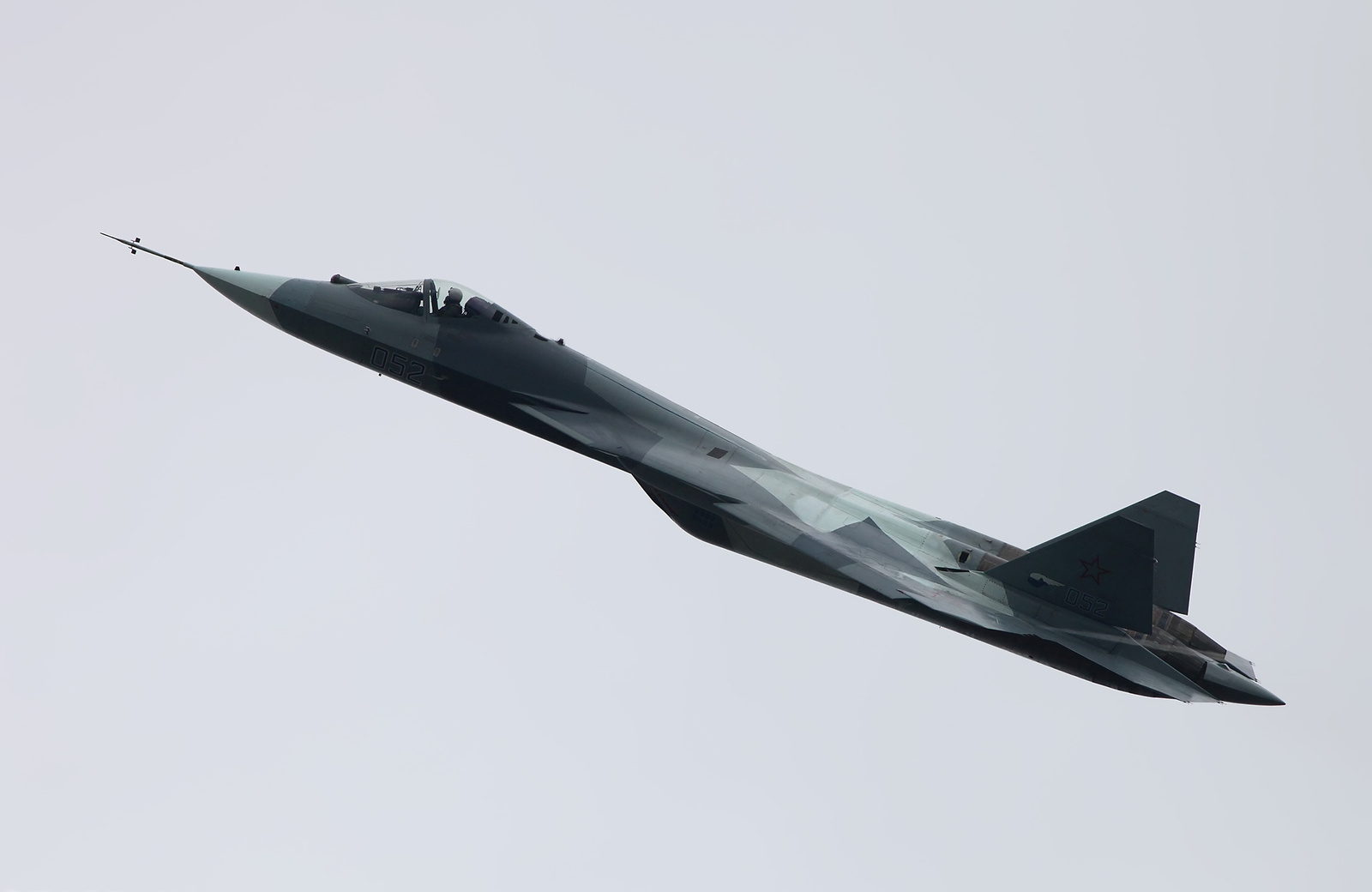
Open estimates indicate a detection range of up to 400 km for large aerial targets. The complex can operate simultaneously in several directions, expanding the aircraft's capabilities compared to the traditional scheme with a single nose radar.
The exact characteristics of the N036 are not officially disclosed, so the published figures should be considered estimates.
1. Su-35 — "Irbis-E" (Russia)
The Su-35 became the leader in terms of maximum openly declared range. Its N035 "Irbis-E" radar uses a passive electronically scanned array with a diameter of 900 mm.
The station combines electronic scanning with mechanical antenna rotation. This expands the scan sector to ±120°.
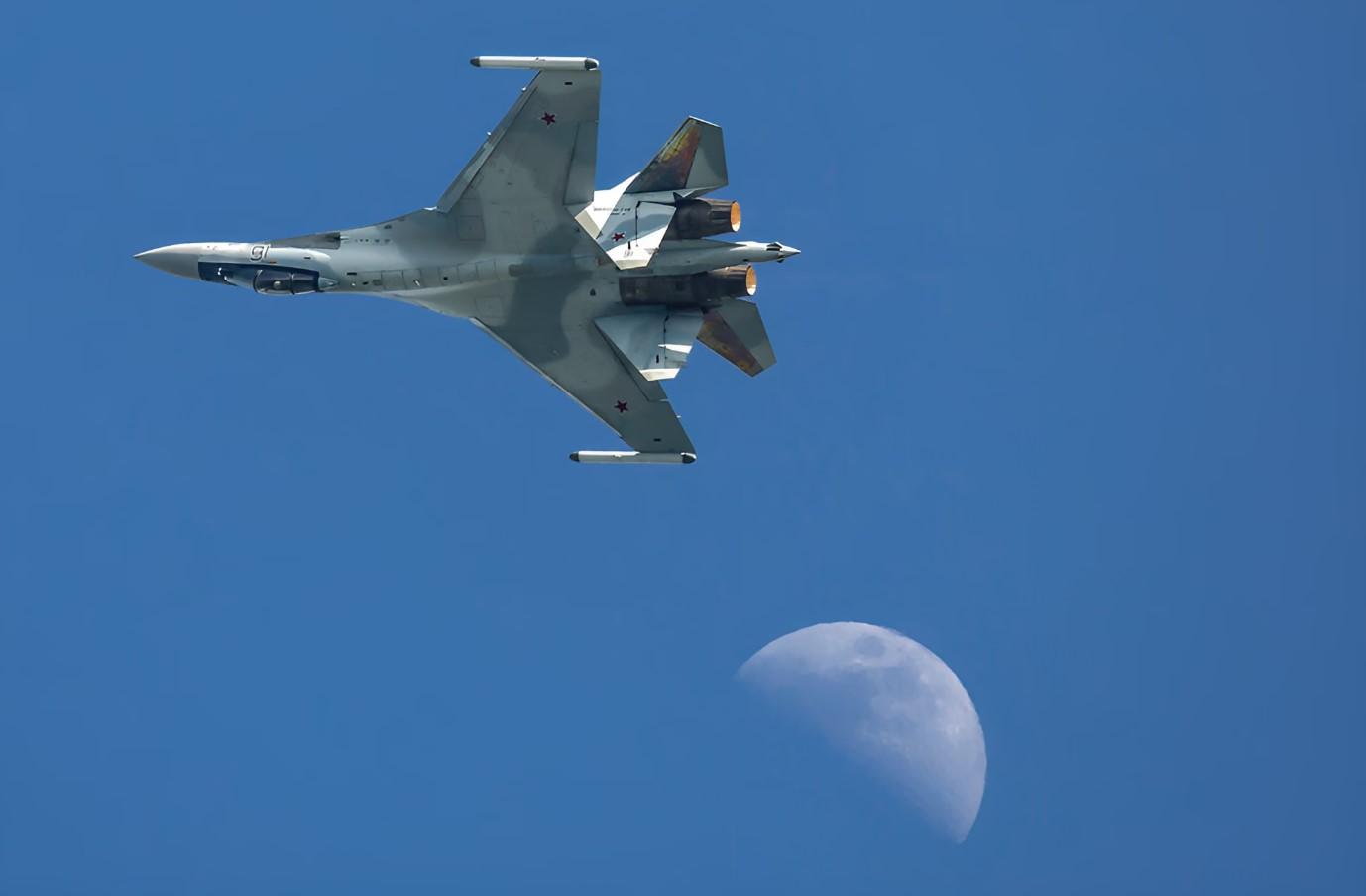
The maximum declared detection range for a large aerial target reaches 350–400 km. However, the "Irbis-E" achieves this result in long-range detection mode with a narrow scan sector, when the radar concentrates its capabilities on a specific direction.
The "Irbis-E" can simultaneously track up to 30 targets and engage up to 8.
The Su-35 and Su-57 were ahead in terms of maximum open range estimates. However, a direct comparison of these figures is conditional. Radar range depends on target size and RCS, altitude, interference, operating mode, and scan sector.
Read more on the topic:
Never miss our newsAdd this site to your preferred sources to see us more oftenAdd on Google





![Growth Point: After 5G Launch, Mobile Internet in Russia Accelerated by 20%","subtitle":"TelecomDaily recorded an upload speed increase of 19.7%, and download speed of almost 14%","announce":""}[]}],](https://media.ixbt.site/fit-in/320x/ixbt-data/1727896/ai-image-nvgq0a0v5cjnyxwoc8xpelva.webp)