Uralvagonzavod (UVZ, part of the Rostec Group) has announced the reduction of some employees, explaining it as "optimization of administrative and managerial expenses." The decision followed almost immediately after part of the employees were switched to afour-day week due to a drop in demand for civilian products.
A Plant That Survived Wars and Defaults
UVZ was founded in 1936 in Nizhny Tagil as a company for the production of railway cars. With the start of the Great Patriotic War, the plant fully switched to the production of tanks and became the country's main armored vehicle workshop. In four war years, more than 25,000 T-34s were assembled here - more than the entire German industry.
In the 1990s, when the state defense order practically stopped, the plant survived thanks to civilian products - it produced diesel locomotives, tanks, agricultural machinery. The company went through the 1998 crisis with debts, but without stopping the assembly line.
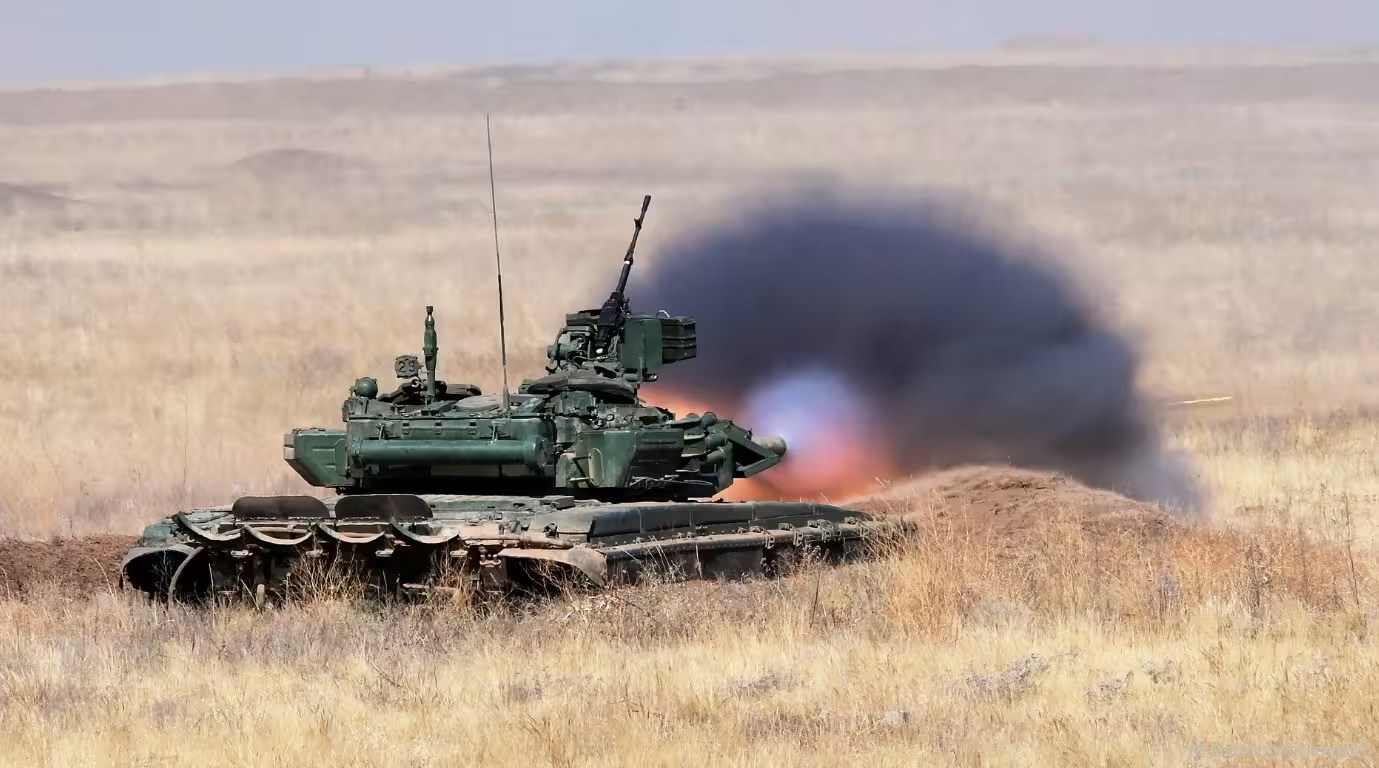
A new rise came in the 2000s - contracts with India for the supply of T-90 tanks, the Armata program, and joining Rostec saved the company from bankruptcy.
What's Happening Now
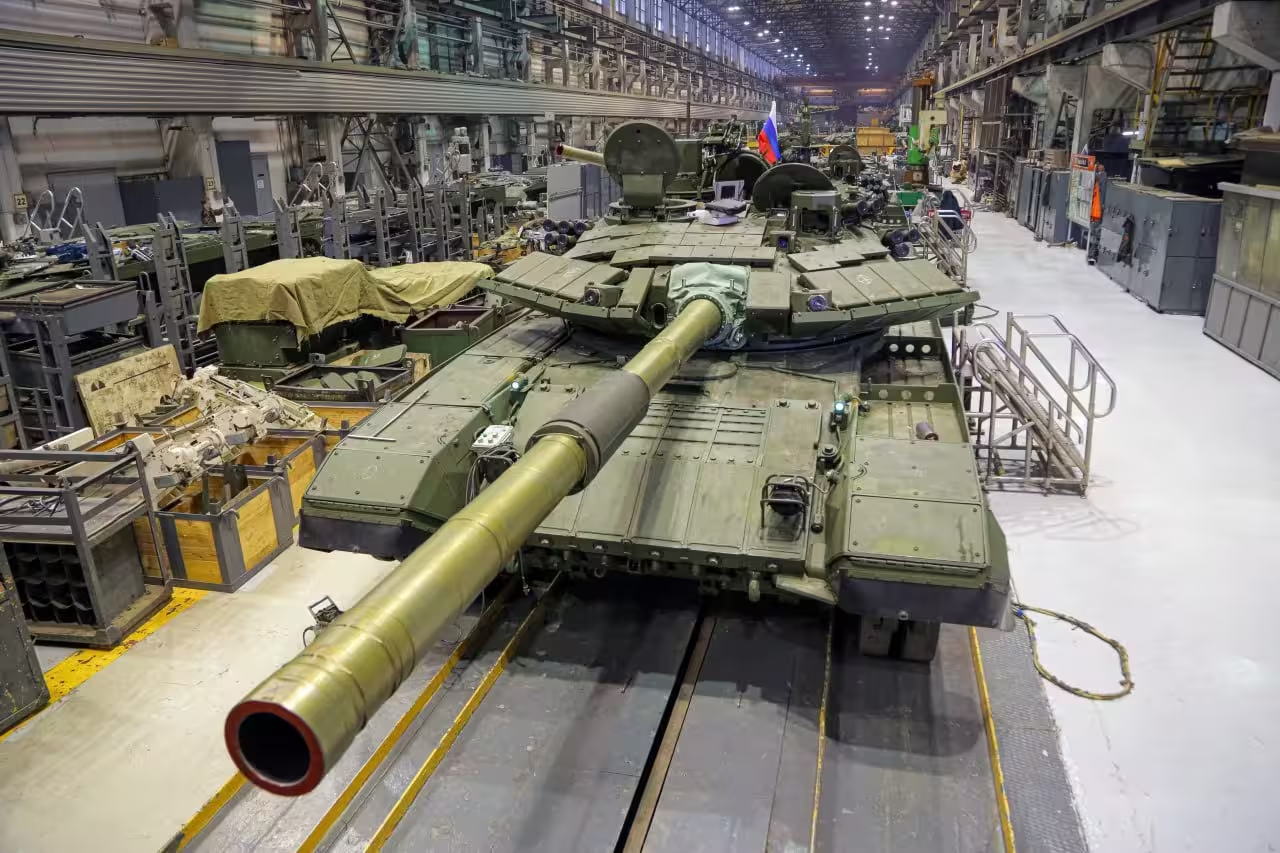
According to trade unions, the reductions will affect administrative personnel and support units. Production workshops where they areassembling the T-90M "Proryv" and T-14 "Armata" continue to operate as usual. The management emphasized that the fulfillment of the state defense order was not disrupted.
According to industry sources, the decision is related to a drop in orders for civilian products - primarily for wagons and platforms for railways. The plant is trying to reduce costs while maintaining production capacity.
A Plant That Doesn't Give Up
UVZ has already gone through crises more than once - from military evacuations to economic downturns. And each time it returned to service. Today the company remains thelargest manufacturer of armored vehicles in Russia and a symbol of the stability of the domestic machine-building industry.

Earlierwww1.ru reported thata Mi-8T helicopter is being sold in Russia for the price of a Lada Vesta.