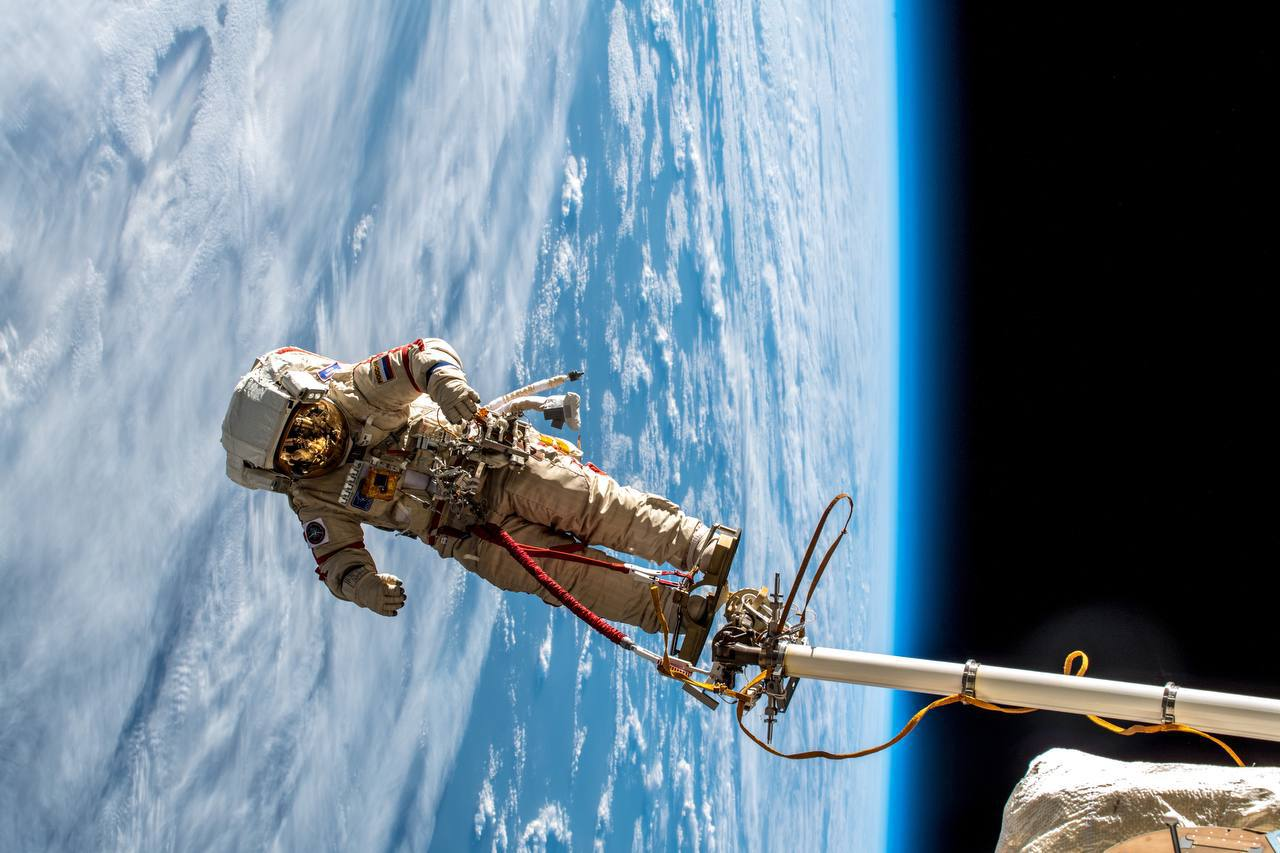
On the night of October 16 to 17, a pair of Russian cosmonauts exited the ISS, spending 6 hours and 11 minutes in open space. One of the cosmonauts was in Earth orbit in the Orlan-MKS No. 7 spacesuit, which experts call a spacecraft with limited capabilities.
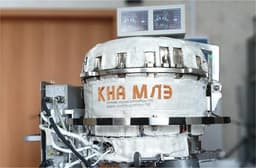
Extravehicular activity included two tasks: installing a unit for growing semiconductor crystals and initial testing of the latest Orlan-MKS spacesuit model number 7.
Two cosmonauts participated in the work outside the International Space Station (ISS). ISS-73 flight engineer Alexey Zubritsky used the Orlan-6 spacesuit, and ISS-73 commander Alexey Ryzhikov performed tasks in the Orlan-7 spacesuit.
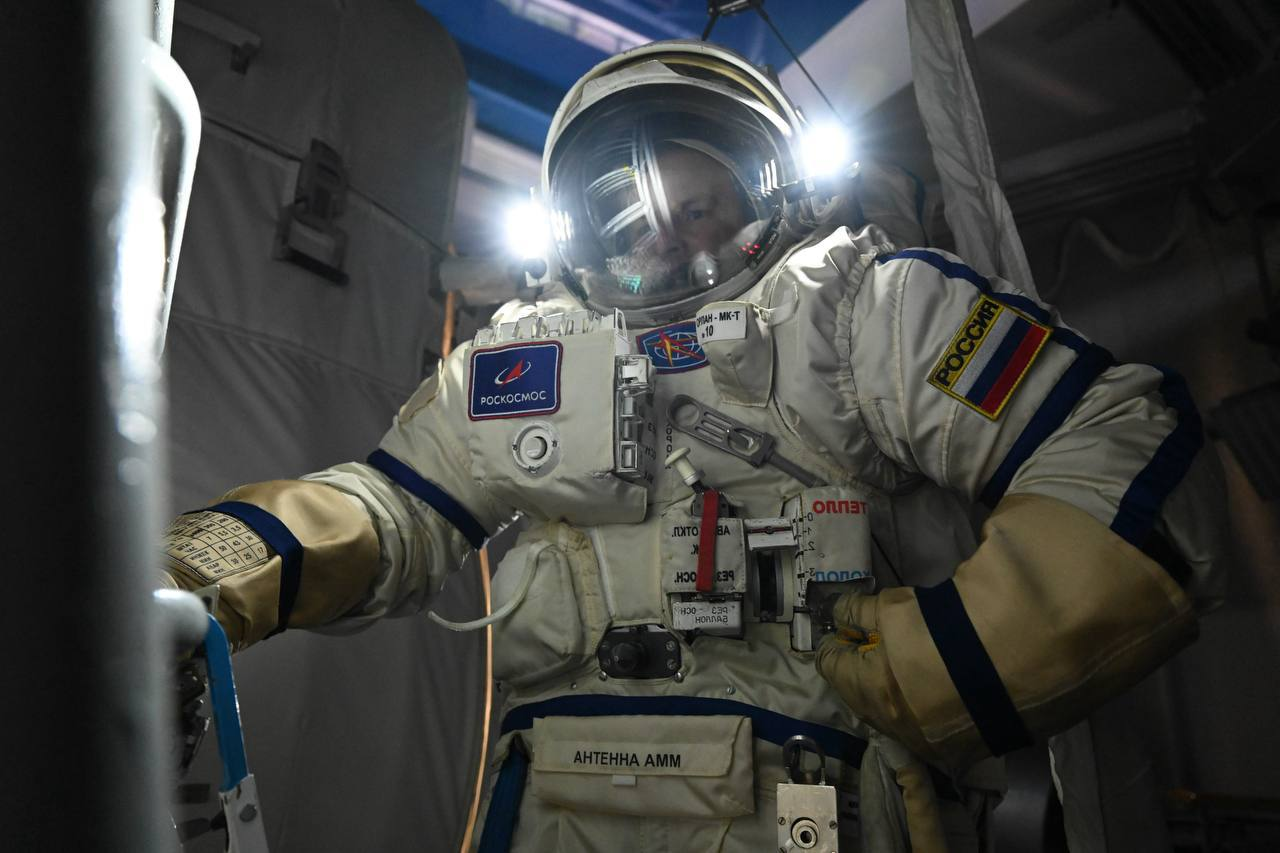
Orlan-MKS No. 7, the latest modification in the Orlan-MKS line, is designed to ensure the safety and operability of cosmonauts in outer space. The developer and manufacturer of this series of spacesuits is the Zvezda Research and Production Enterprise.
The spacesuit is like a small spacecraft. A safety cable connects it to the station, but it has its own autonomous breathing mixture and temperature control, as well as communication, control and navigation systems.
The cosmonaut has the ability to use an engine mounted on the backpack for independent movement in near-Earth space, which gave the Orlan-7 the nickname "space motorcycle".
Design features of the spacesuit:
The spacesuit is equipped with a double sealed shell (main and backup), which provides automatic switching to the backup system in case of damage to the main one. The autonomous life support system is located in the spacesuit's backpack. The emergency system maintains pressure inside the spacesuit for 30 minutes in case of depressurization.
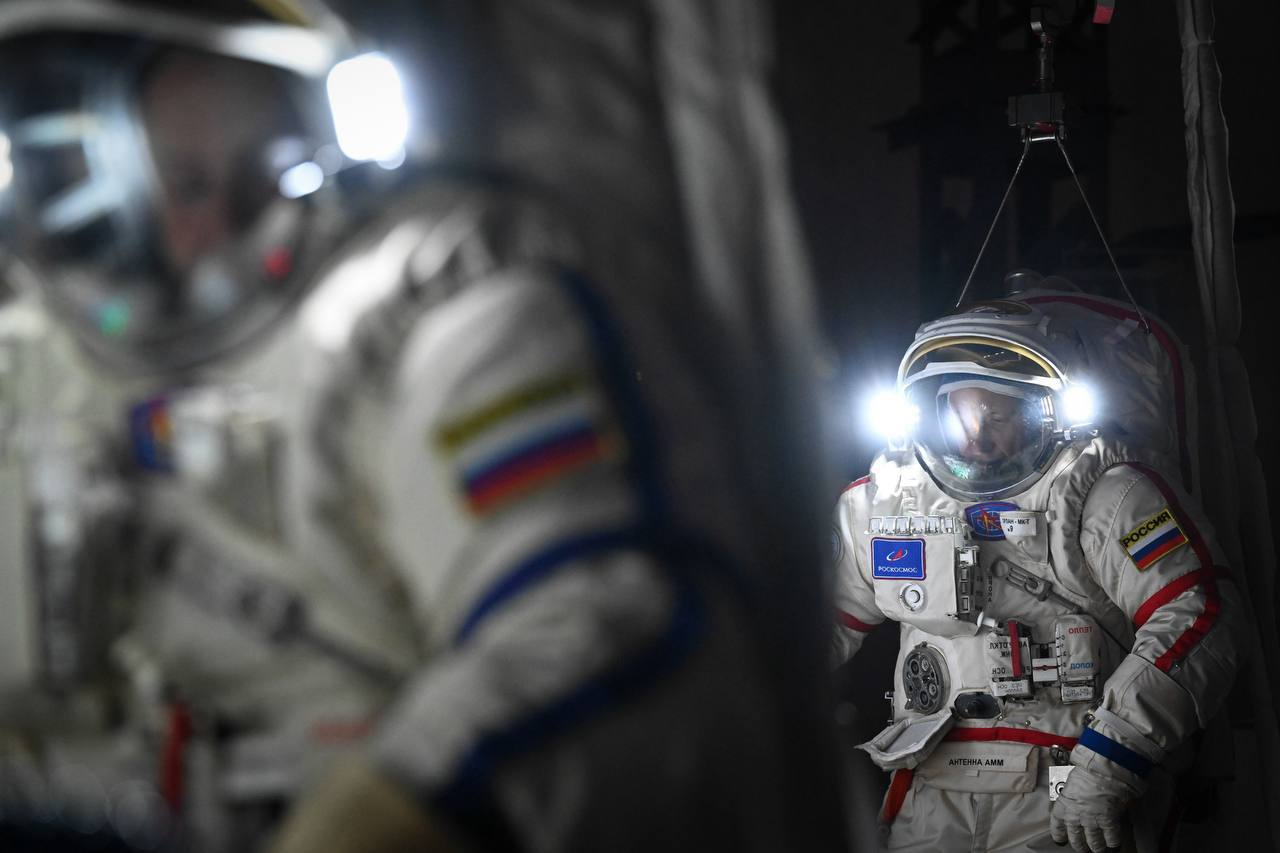
The inner sealed shell is made of polyurethane, which significantly increased reliability compared to the previous version, which used rubber. The automatic temperature control system ensures that the specified temperature range is maintained by automatically adjusting the water temperature in the water cooling suit. The universal design allows you to adjust the length of the sleeves and legs, ensuring comfort for cosmonauts with a height of 165 to 190 cm. The weight of the spacesuit is 112 kg.
Advantages of Orlan-MKS No. 7 over previous models:
The model is fully autonomous, allowing work outside the International Space Station (ISS) for up to 8 hours. The service life of the internal sealed shell has been significantly increased, which extends the service life of the spacesuit and reduces the need to replace parts.

The seventh model also differs from its predecessors in a lighter, almost white shade of the outer fabric shell, as well as a black, rather than blue, color of the water cooling suit.
The Orlan-MKS No. 7 spacesuit has no analogues in the world. Its design, developed taking into account the most stringent requirements for reliability and functionality, allows cosmonauts to perform the most complex tasks on board the International Space Station and beyond. Innovative materials, advanced systems and unique control interfaces make the Orlan-MKS No. 7 not just a spacesuit, but a real personal spacecraft for humans.
Earlier,www1.ru reported thatEarth's moon may become the first space platform for nuclear energy.