65 years ago, on October 18, 1960, the prototype of the Be-12 anti-submarine amphibious aircraft first took to the skies in Taganrog.
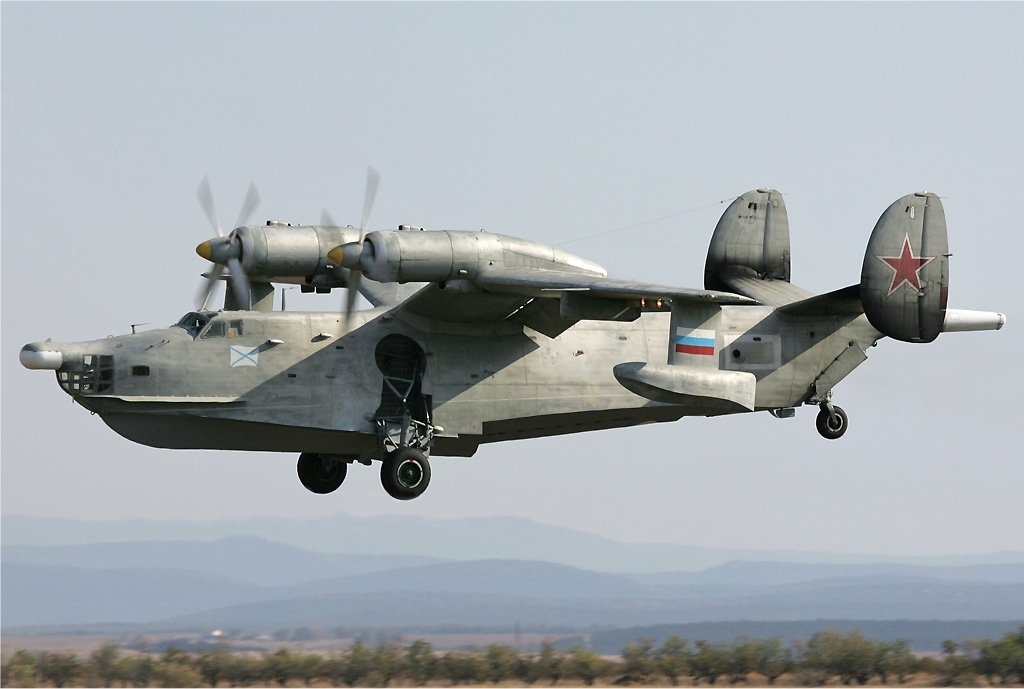
The development of this turboprop amphibian, which was to replace the aging Be-6 flying boat in the Soviet naval aviation, began at the G.M. Beriev OKB. Unlike its predecessor, the Be-12 was designed as a platform for searching and destroying enemy submarines, equipped with an advanced radar station, a specialized search and targeting system, a magnetometer, as well as hydroacoustic buoys, depth charges, and torpedoes.
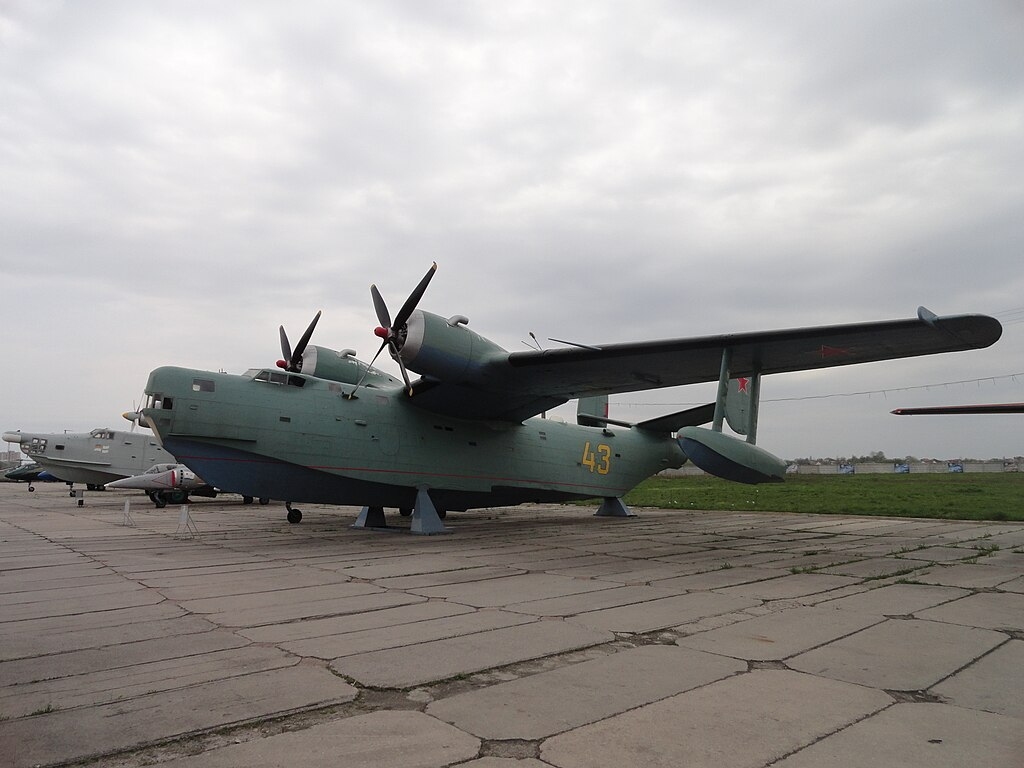
Designers needed to change their approach to design: previously, the main attention was paid to flight performance, and anti-submarine warfare equipment was considered secondary. Now, the primary task was to search for and destroy underwater targets.
In its general layout, the Be-12 resembled the Be-6, but surpassed it in size and weight, becoming the largest amphibious aircraft in the world at that time, with a takeoff weight of up to 36 tons. The estimated flight range was 3300 km, and the search duration at a distance of 600 km from the airfield was 3 hours. The maximum combat load reached 3 tons. Kuibyshev NK-4s were considered as power plants, but the choice ultimately fell on Zaporozhye AI-20Ds. Among the Be-12's equipment were three anchors and a water rudder for maneuvering afloat.
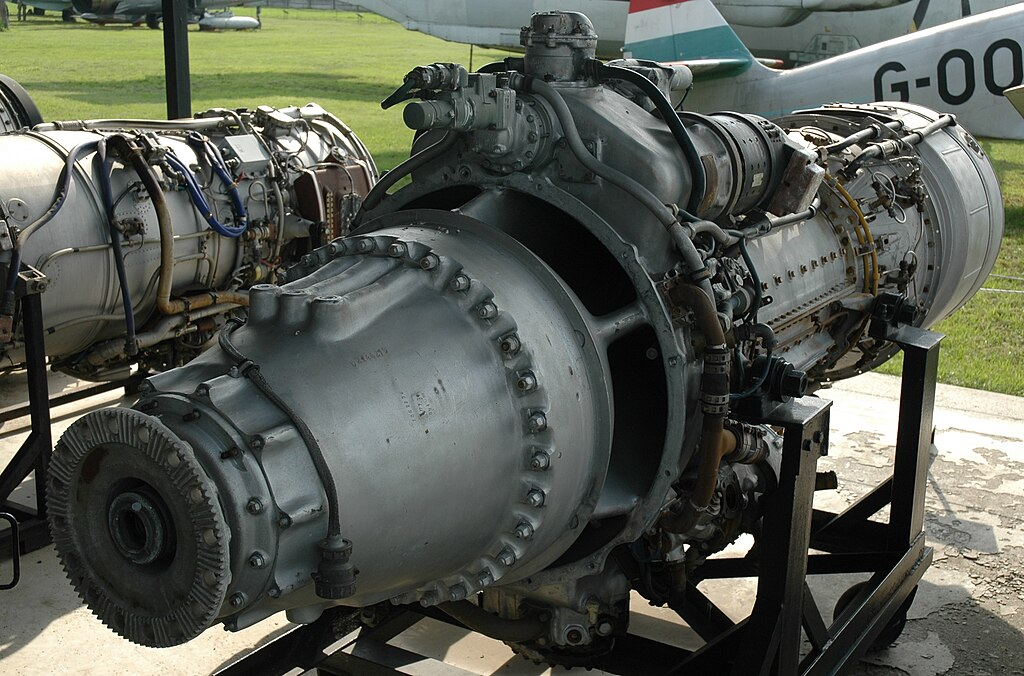
The search and targeting equipment included the Baku radio-hydroacoustic system, a search magnetometer, the Initiative-2B radar station, an automatic navigation device, and the Siren-2 targeting and computing device.
The first flight of the Be-12 took place on October 18, 1960, in Taganrog. The tests, which lasted just over a year, ended tragically on November 24, 1961: due to a crew error, the amphibious aircraft crashed, killing three crew members.
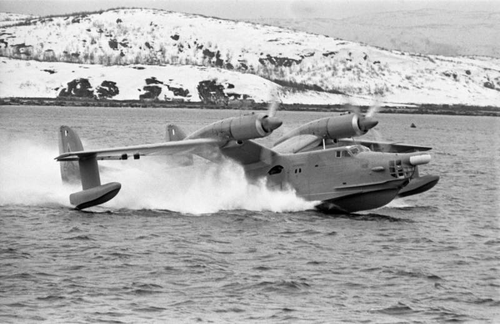
During the tests, a problem was revealed: the propeller blades were deformed by water splashes. The solution was to place the engine nacelles on the upper part of the wing, which was implemented on the second prototype Be-12, built by September 1962.
Serial production of the Be-12 was carried out in Taganrog from 1963 to 1973. A total of 143 aircraft were built in various modifications.
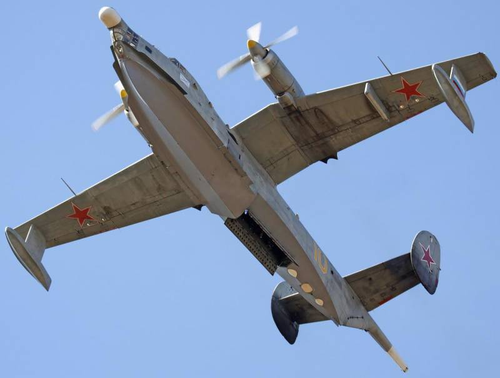
The Be-12 became the first Soviet aviation anti-submarine complex of special construction, adopted by naval aviation. Despite the complexity of control, pilots generally positively assessed this machine.
Some Be-12s are still in service with the Russian Navy's naval aviation.
Technical characteristics of the aircraft:
- Overall dimensions: length - 30.1 m, height - 7.4 m, wingspan - 30.2 m, wing area - 99 sq. m.
- Empty weight: 24,000 kg.
- Takeoff weight: 36,000 kg.
- Fuel weight: 9,000 kg.
- Combat load weight: 3000 kg.
- Maximum flight speed: 550 km/h.
- Patrol speed: 320 km/h.
- Takeoff speed: 210 km/h.
- Takeoff distance: 1200 m.
- Landing distance: 1100 m.
- Seaworthiness: 3 points.
- Maximum flight range: 4000 km.
- Service ceiling: 12,100 m.
- Crew: 4 people - commander, his assistant, navigator, and radio operator.
Earlier,www1.ru reported thatIndian Su-30MKI showed strength in a training battle with F-35B stealth aircraft.
Read more materials:
- A new backpack-type elevator was developed by the Serpukhov Elevator Plant
- Up to four GTD-110M turbines per year: a new production complex in Rybinsk will increase the production of domestic turbines for the energy sector
- A new Russian fifth-generation 177S aircraft engine for combat aircraft will be shown in Dubai
Never miss our newsAdd this site to your preferred sources to see us more oftenAdd on Google

















