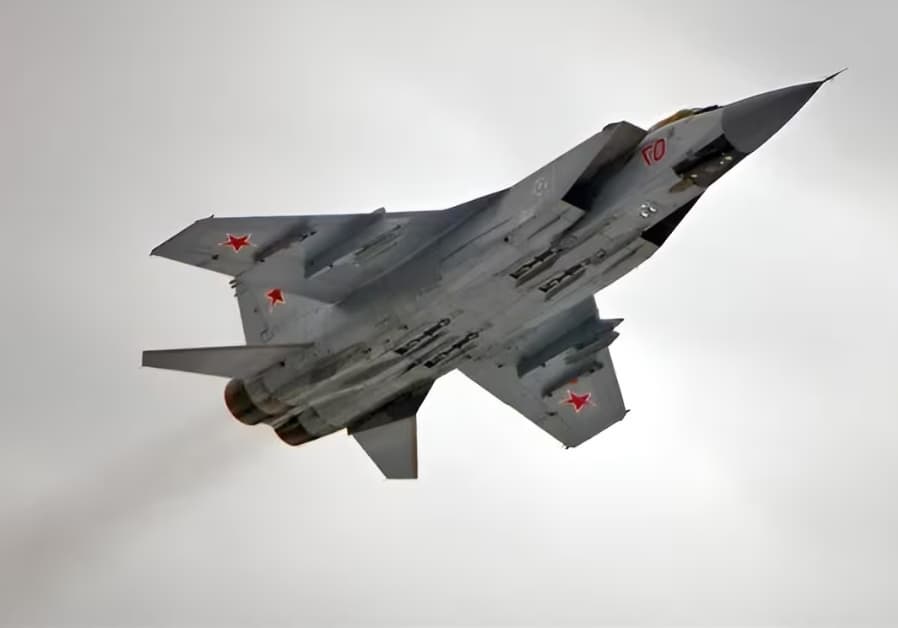
Avideo has appeared online, covering the entire history of MiG fighters - from the MiG-1 aircraft, which first took to the sky in 1940, to the promising MiG-41 interceptor, which may take to the sky in the coming years. The video demonstrates how the speed, appearance, and capabilities of the aircraft, which have become a true symbol of Russian aviation, have changed over nine decades.
From propeller to jet propulsion
The whole story began with the MiG-1, a light fighter that was produced in a limited edition of only a hundred machines. It was replaced by the more powerful high-altitude MiG-3, capable of not only intercepting enemy aircraft, but also striking ground targets and conducting reconnaissance.
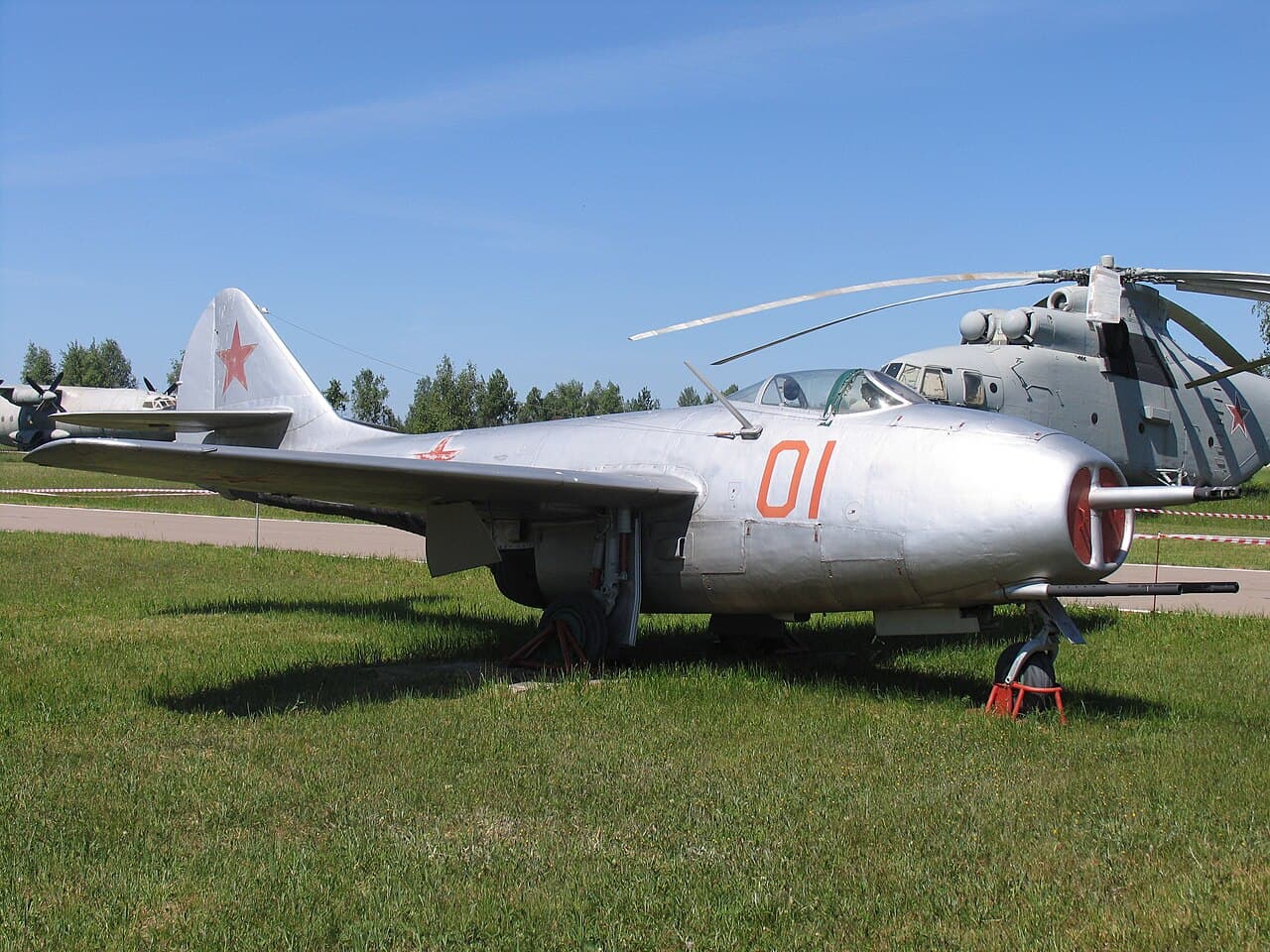
Then came the jet age. The MiG-9 became the first representative of the new generation, and the MiG-15 became famous in the skies of Korea, where it successfully resisted American F-86 Sabre fighters and even heavy B-29 bombers.
Legends of the Cold War
The MiG-17 and MiG-19 followed, and then the iconic MiG-21, nicknamed "balalaika" by pilots. This supersonic fighter remained a symbol of the Soviet school for decades and fought all over the world - from Vietnam to the Middle East, where it shot down the famous F-4 Phantom II and even B-52s.
Speed on the verge of the possible
The era of speed was opened by the MiG-25, which accelerated to 3000 km/h and was nicknamed the "Flying Fox". Its successor, the MiG-31, became not only an interceptor, but also a carrier of Kinzhal hypersonic missiles, proving the indispensability of the heavy fighter class.
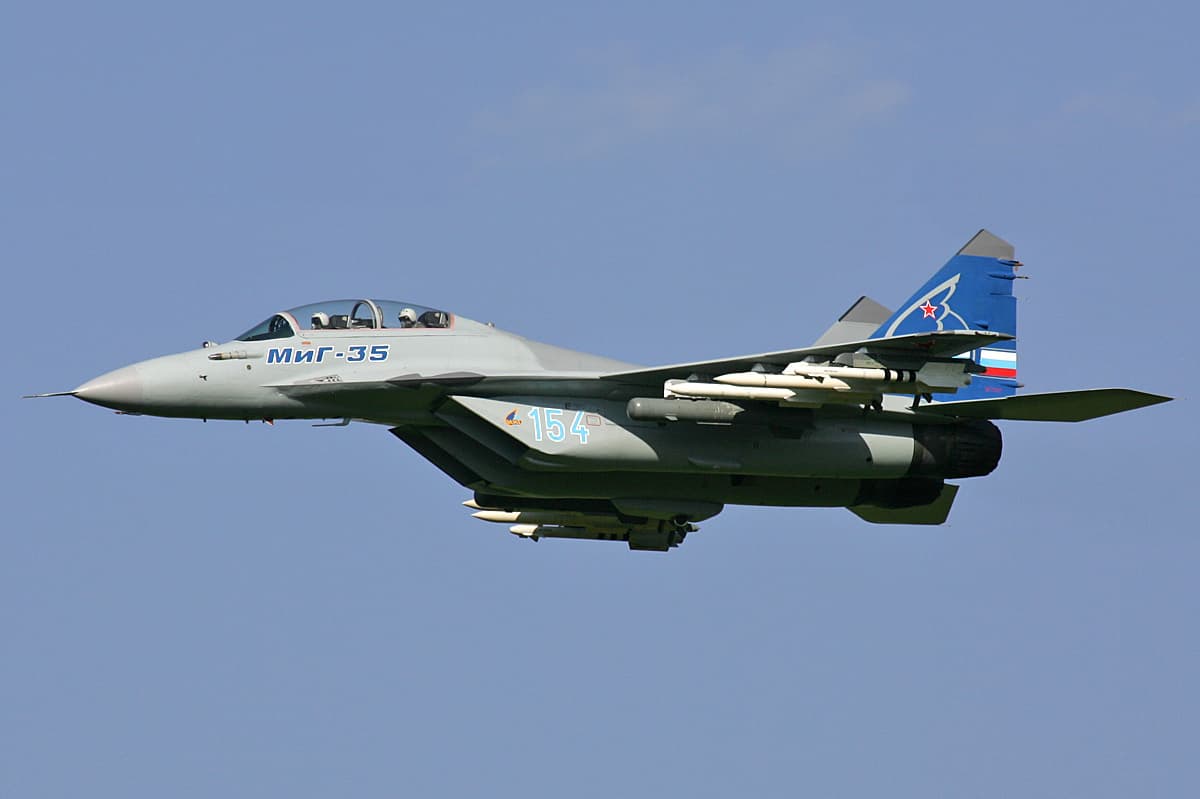
The modern MiG-29 and MiG-35 continue to develop the idea of a universal front-line fighter, getting as close as possible in capabilities to the fifth generation.
A look into the future
In the finale of the video - intrigue. The mysterious MiG-41, known as PAK DP, should become the fastest and most high-tech aircraft in the history of the MiG Design Bureau. According to plans, it will take to the air as early as the end of this decade, opening a new page in the development of Russian combat vehicles.
Read more materials:
Now on home

Start of deliveries scheduled for 2027

Over 51,000 new motorcycles were sold in Russia in 2025

The car will take at least a year to assemble

The application's audience has reached 20 million users

The model will be included in the list of cars for taxis, price - from 2.25 million rubles

All parking lots of the "Administrator of the Moscow Parking Space" are connected to the service

The cars will be supplied to the Moscow Transport Service Directorate

Deliveries to India may begin in 2028

The technology provides automated search for all types of defects in power units

The plane flew 500 km, accelerating to 425 km/h

The plant stated that the information about the termination of purchases for models 6 and 8 is not true

Scientists are using the "Ekran-M" installation
Articles
-
Russian An-124 "Ruslan" Stuck in Canada for 4 Years and Accrues Millions in Fines
26 Jan 2026
-
Coaxial Propellers: How Counter-Rotation Increases Turboprop Engine Efficiency
25 Jan 2026
-
Kazan Aviation Plant Breaks Old System: Tu-214 to be Assembled Like Cars
25 Jan 2026
-
How Engineers and Technicians Are Paid Today in the Russian Aviation Industry: An Overview with Figures
24 Jan 2026