Norwegian, British and American reconnaissance aircraft of the P-8 Poseidon type have been searching since August 24 for a Russian submarine that allegedly threatened the aircraft carrier Gerald R. Ford. This is written by Dagbladet.
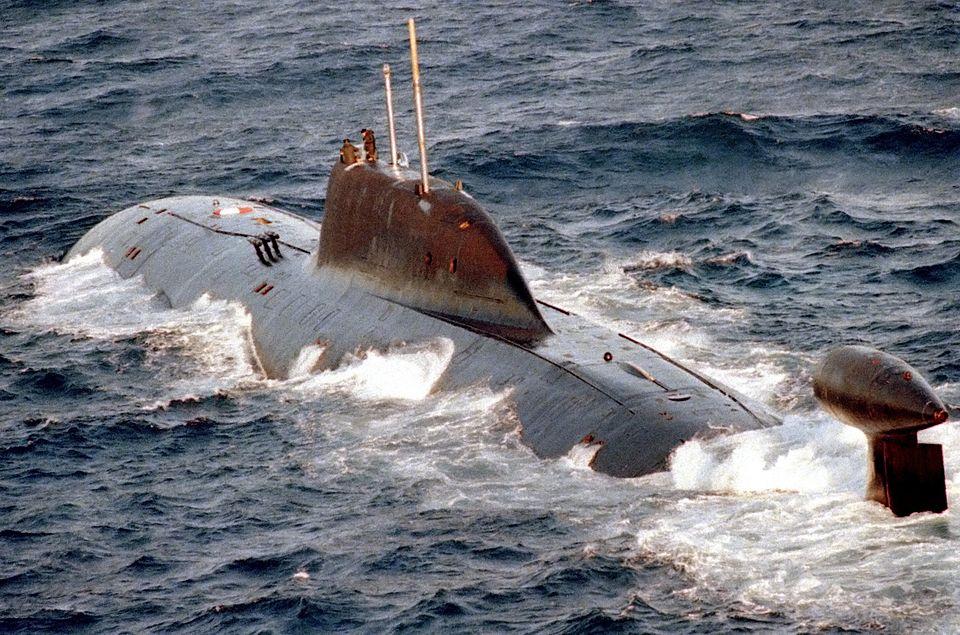
The planes are located in the Lofoten Islands, where the aircraft carrier group is based. According to the publication, 27 sorties have been carried out over the Norwegian Sea in recent days.
Representative of the operational headquarters of the Swedish Armed Forces Brinjar Stordal said that the Russians usually follow foreign aircraft carrier groups.
We know that they regularly use both aircraft and surface ships and submarines for surveillance.
Experts from "Russian weapons" suggested that Western aircraft were hunting for the low-noise submarine of Project 971 "Shchuka-B" or Project 885M "Yasen-M".
Presumably, our submarine was detected for a short period of time by the AN/SQS-53C intra-hull GAS of the Arleigh Burke Flight II/IIA family destroyers in the first far zone of acoustic illumination at a distance of 35-45 km.
All complexes of hydroacoustic and radar reconnaissance were involved in the search: from AN/SSQ-62F DICASS radiohydroacoustic buoys to AN/APS-154 side-scan radar. The HMS Somerset frigate of the Royal Navy also participated in the operation.
Read more on the topic:
Never miss our newsAdd this site to your preferred sources to see us more oftenAdd on Google