Translated with AI from the Russian original.
Lacquer peeling off the car body is a problem faced even by new cars, said Igor Boyarsky, Director of the Service and Spare Parts Department of Avilon Tank. He noted that the cause of such trouble is often improperly selected detergents, as well as temperature changes.
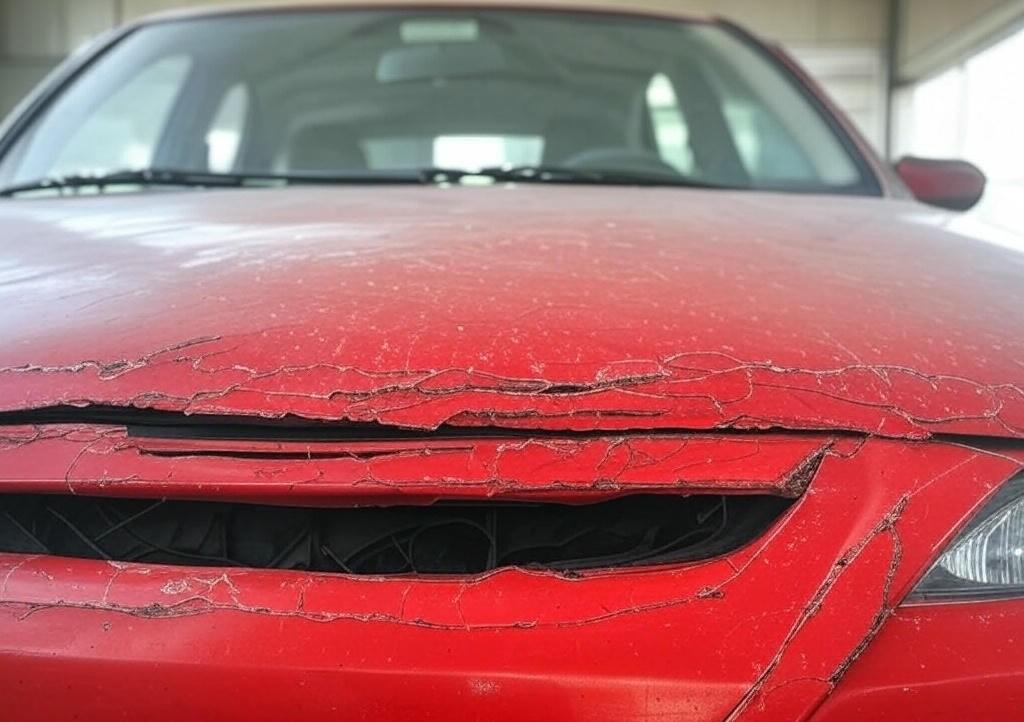
Unsuitable chemical cleaning agents, such as solvents, as well as reagents for road treatment in winter, easily damage the lacquer layer.
Chips also negatively affect the structure of the lacquer. Even small scratches can cause peeling, as dirt penetrates through them, which accelerates the destruction of the coating.
Sudden temperature changes can negatively affect the condition of the lacquer. In hot climates, it dries out and cracks, and in cold climates, it becomes brittle and fragile.
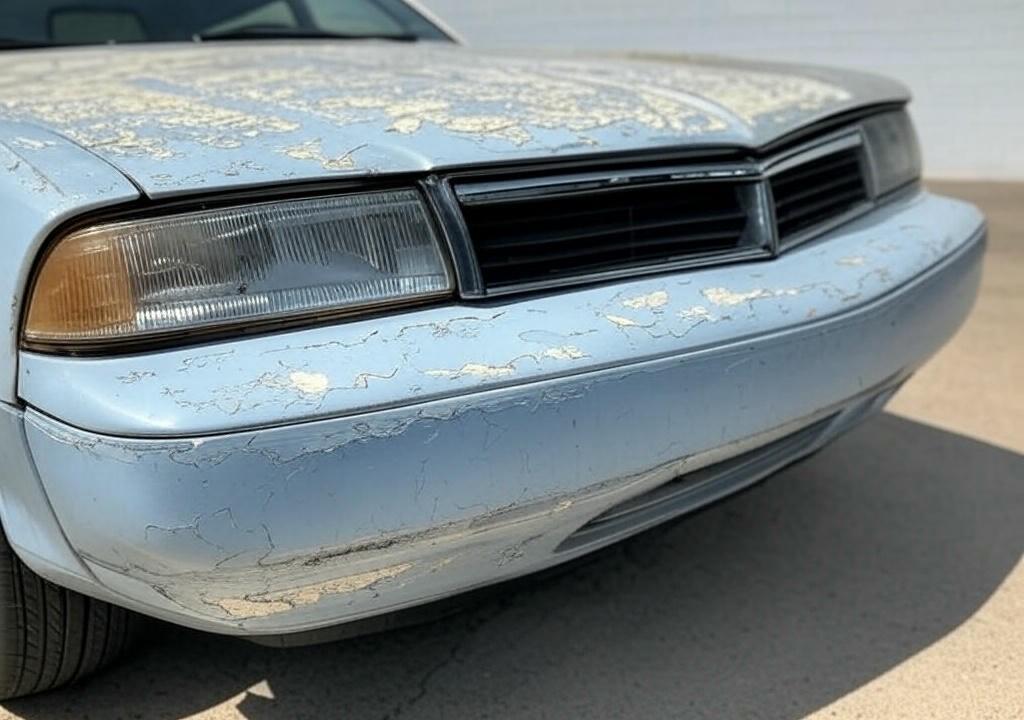
Moisture accumulating inside the car can penetrate under the paintwork and cause it to peel off. This often happens in hard-to-reach places, such as wheel arch niches or under plastic covers.
If anti-corrosion treatment is not carried out or is done incorrectly, corrosion may begin to develop under the paint layer, which will also lead to lacquer peeling. To avoid this problem, Boyarsky recommends using high-quality protective compounds and regularly carrying out preventive maintenance of the car.
Read more materials:
For drivers to note: what you absolutely can not do on a new car until the end of the break-in
For drivers to note: what you absolutely can not do on a new car until the end of the break-in
Is it worth buying a car on a marketplace? Pros and cons
Even experienced drivers don't know: 10 most frequent fines for violations in the yard
Three cars that a novice driver should not buy
Never miss our newsAdd this site to your preferred sources to see us more oftenAdd on Google

















