Aircraft carriers are becoming obsolete - they are expensive to build and operate. It is much more promising to use alternative methods of delivering missiles to the launch site. For example, the Lun missile-carrying ekranoplan (Project 903), developed by the Central Design Bureau for SEC named after Alekseev. This is according to military expert Phillip Pilkington in an article for The National Interest.
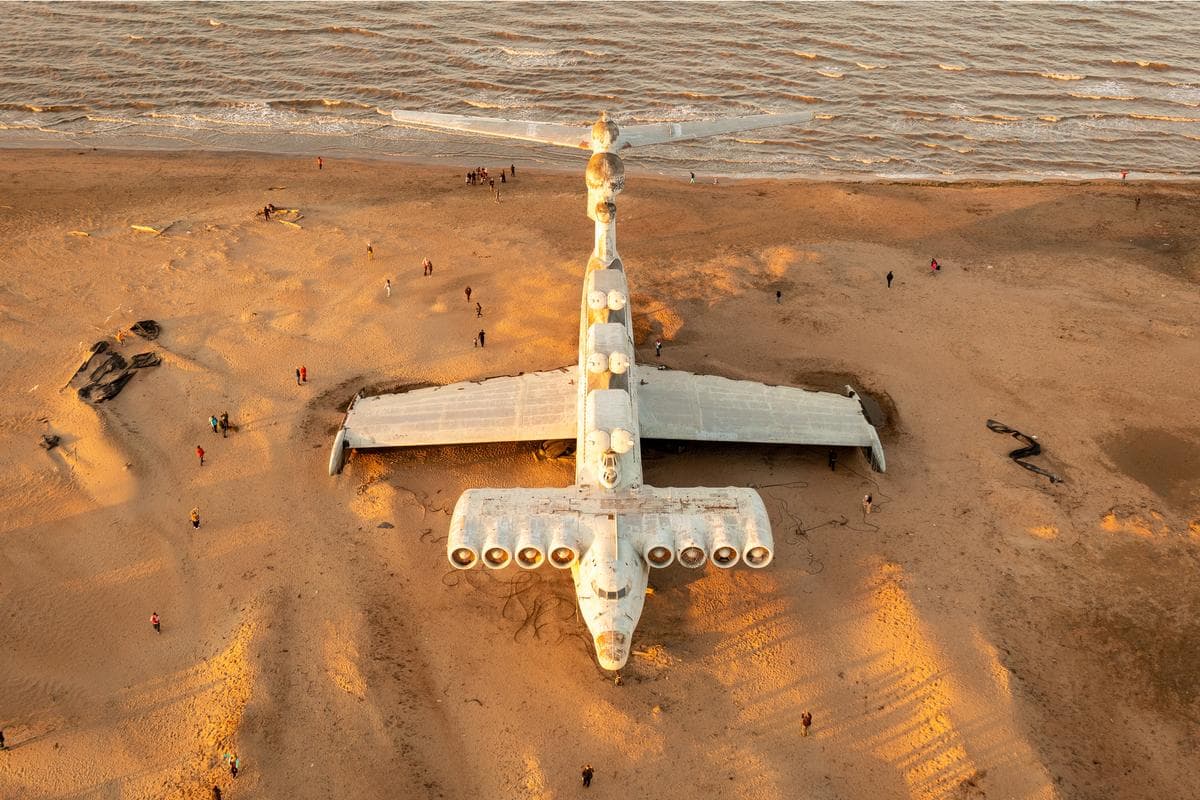
The Lun ekranoplan was in service from 1987 to 1990, after which it was mothballed. The "Caspian Monster," as Western analysts called it, rotted in the Caspian Sea. In 2021, the ekranoplan was towed to Derbent, where it became a museum exhibit.
The Lun flies approximately four meters above the sea, making it difficult to detect by radar.
Unlike ships, ekranoplans develop high speeds (up to 297 knots per hour). The carrying capacity of such a "monster" is almost 100 tons.
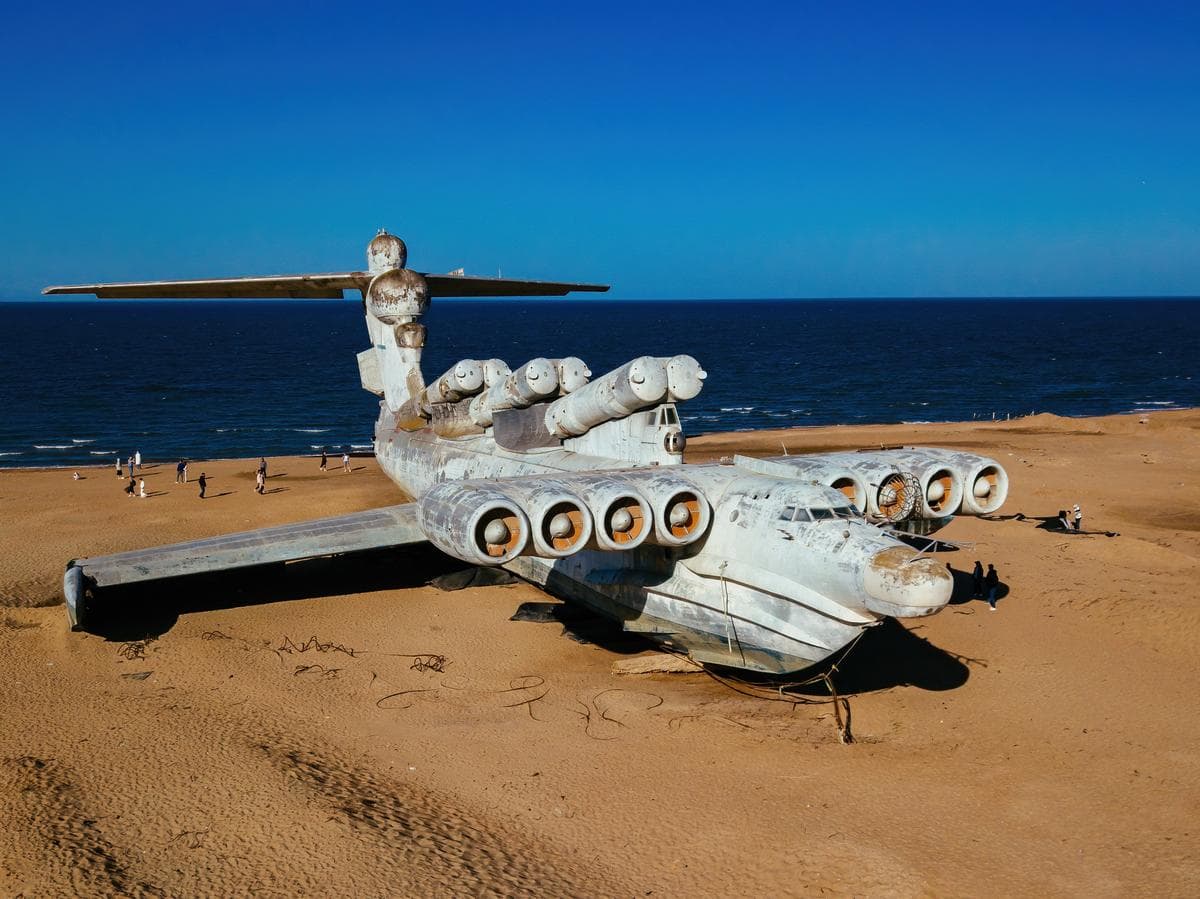
The "Caspian Monster" was equipped with six P-270 Moskit anti-ship missile launchers. Consequently, Soviet engineers expected that it could become an "aircraft carrier killer."
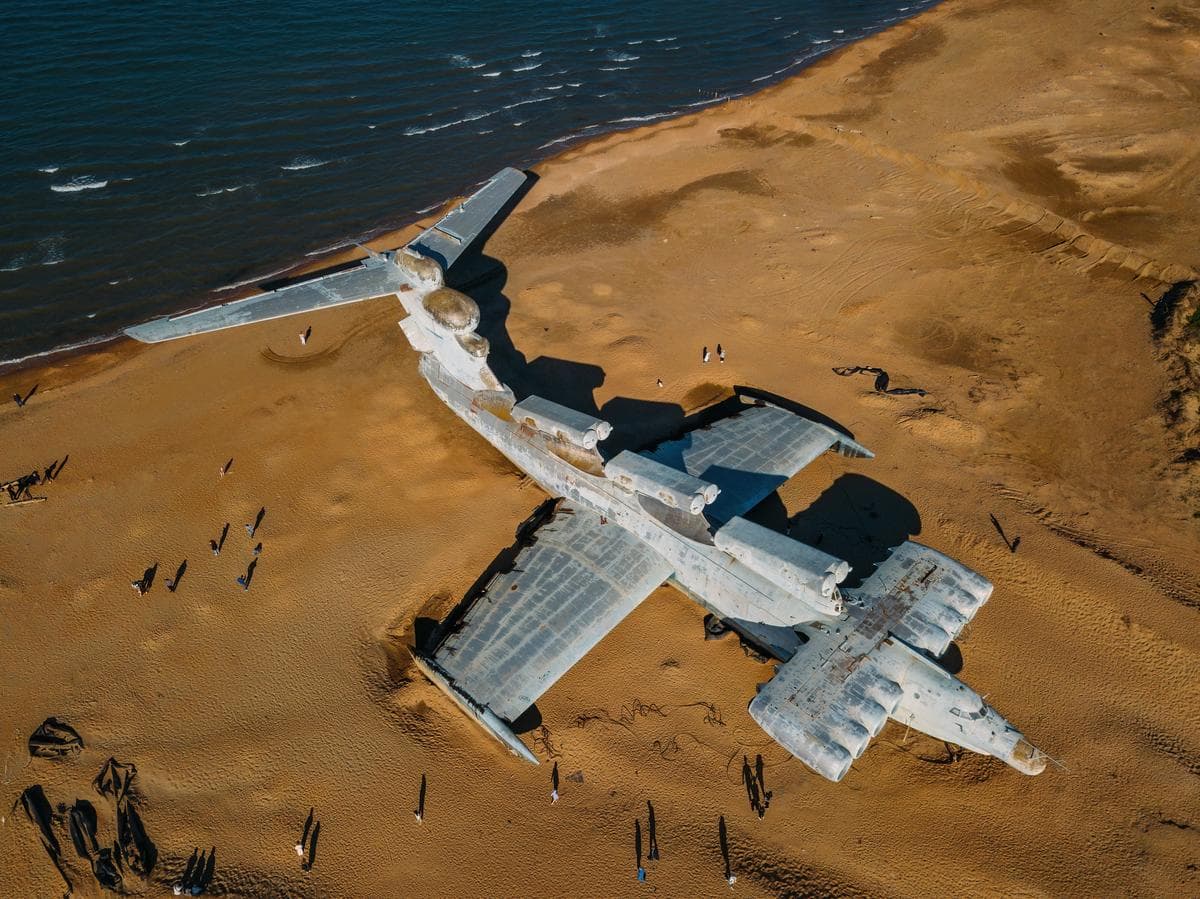
However, the appearance of the ekranoplan coincided with Perestroika and the collapse of the USSR. Subsequently, due to lack of funding, the project was closed.
About the Lun ekranoplan
The missile-carrying ekranoplan is designed to destroy surface ships with a displacement of up to 20,000 tons. Due to its high speed and stealth to ship radars, it could approach targets at missile launch range.
Characteristics of the Project 903 ship:
- Length - 73.8 m
- Height - 19.2 m
- Engines - NK-87
- Crew - 10 people
Read more on the topic:
"Answer to the Imperialists": K-19 - the first Soviet nuclear missile carrier
Le Figaro: Russian military intercepted a French Navy Atlantique 2 aircraft over the Baltic Sea
Techbreak portal named the most powerful air-to-air missiles
Trump is ours: testing of a promising transport UAV has begun in Russia
Military Review: Will the Su-75 stealth fighter be mass-produced or is it a dead end?